

UAE to enter 2027 with a more productive economy, says Abdulla bin Touq Al Marri

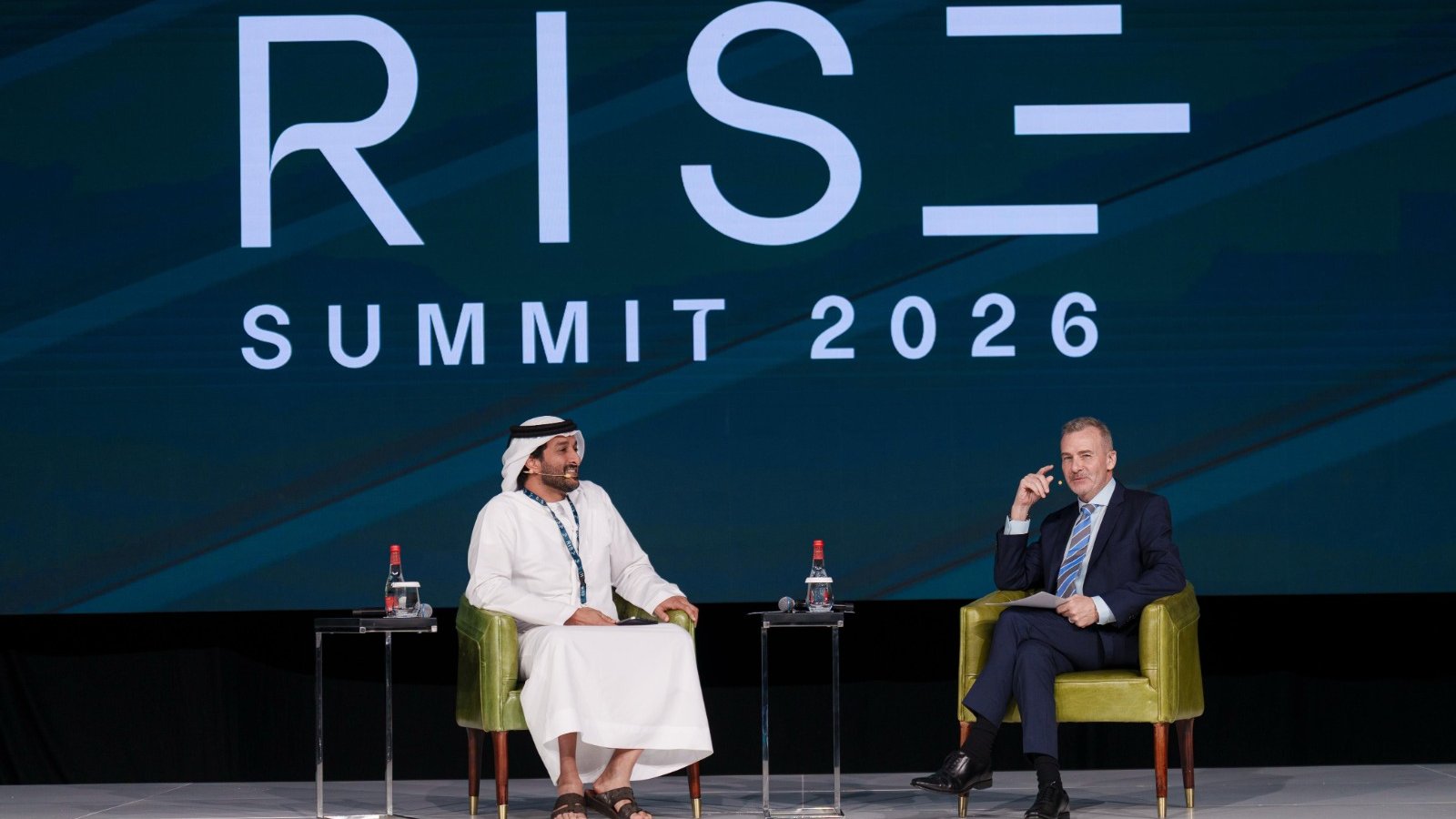
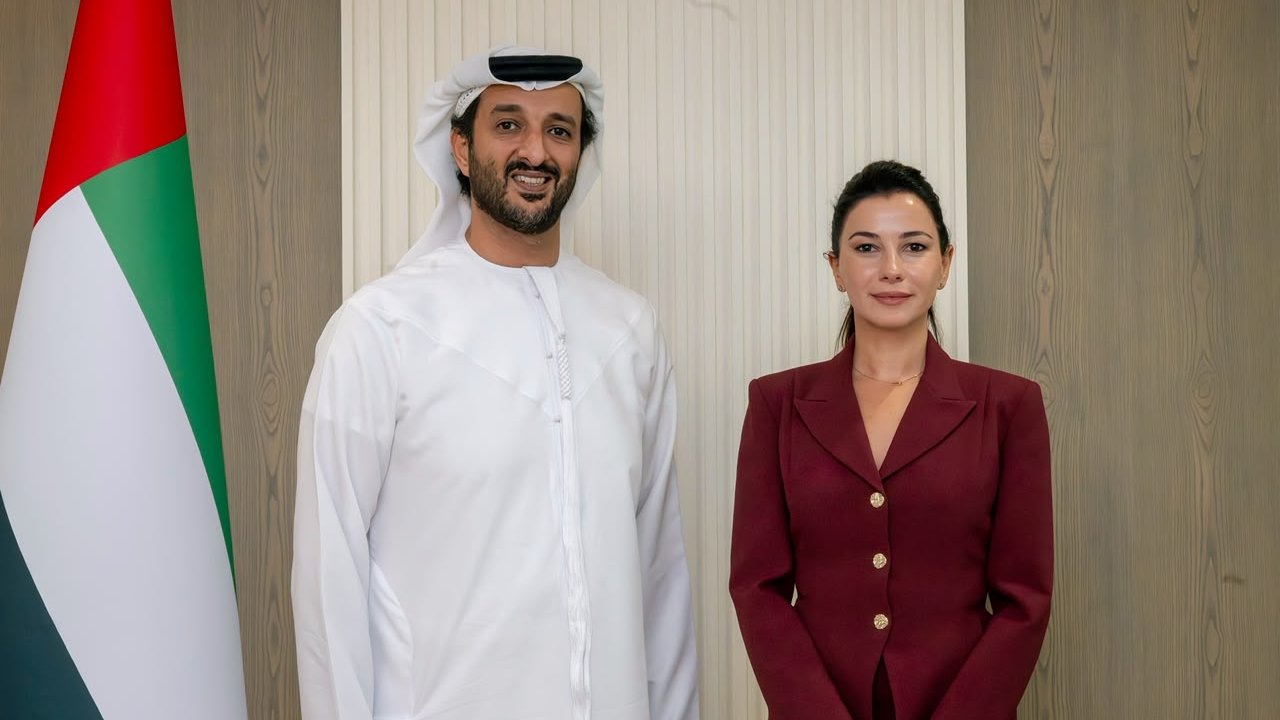
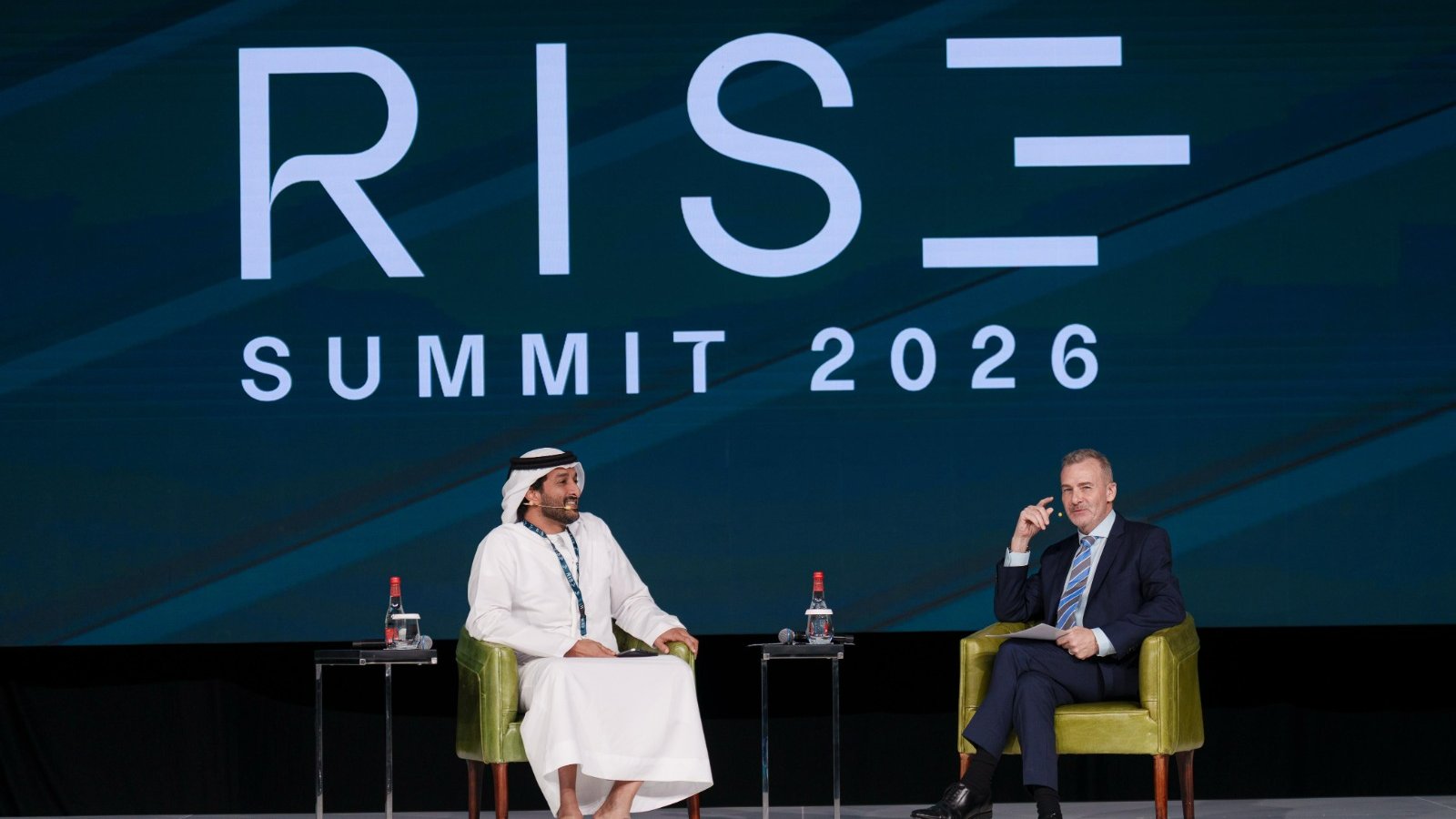
The UAE is preparing to enter 2027 with a more productive economy, with recovery, execution and reform identified as key priorities for the year ahead, H.E. Abdulla bin Touq Al Marri, Minister of Economy and Tourism, said at the inaugural RISE Summit 2026 in Dubai.
Speaking during a session titled From Resilience to Opportunity in a Realigning World, Bin Touq discussed the UAE’s economic outlook amid geopolitical uncertainty, changing trade routes and shifting investment flows.
“We’re not closing one door, we’re opening a second one,” he said, highlighting the country’s approach to adapting to global changes while maintaining its openness to investment and international partnerships.
The one-day summit, organised by inD at Dubai World Trade Centre, brought together more than 250 institutional investors, sovereign wealth funds, government leaders and major developers to discuss investment opportunities across markets, infrastructure, cities, real estate and the experience economy.
UAE focuses on recovery, execution and reform
Bin Touq said the UAE’s consistent economic messaging has helped sustain investor confidence through successive global challenges, including the COVID-19 pandemic, high interest rates, inflation and geopolitical conflicts.
“The policy narrative is very important. We are open, we invest, and we communicate our narrative very clearly,” he said, adding that the country had maintained a consistent message regardless of external conditions.
He also urged businesses to focus on using artificial intelligence to improve productivity rather than measuring progress solely through spending on the technology.
With government procurement accounting for almost 25% of the UAE’s gross domestic product, he highlighted the potential for AI adoption across government services and the private sector.
“I’m not interested in how much we’re spending on AI. I’m interested in how AI is embedded within systems,” he said. He added that the priority should be to understand how AI can help factories and businesses become more productive.
The comments reflect a broader emphasis on integrating technology into business operations and economic systems to improve efficiency and support the next phase of growth.
Supply chain resilience and local production
The minister said global economic realignment has changed the way businesses approach supply chains. While cost and speed were previously major considerations, reliability and resilience have become increasingly important.
He pointed to the UAE’s cluster economy model, which brings together complementary capabilities across the emirates in five clusters, beginning with food and food processing.
According to Bin Touq, the food cluster was launched a year ago and brought together 80 factories and companies during a recent regional disruption. The participants coordinated for two hours each day to help maintain the movement of supplies.
He also highlighted the importance of agri-tech and domestic production in strengthening food security and reducing vulnerability to external disruptions.
On consumer prices, Bin Touq said the government’s approach to “honest pricing” was intended to balance affordability with the need to ensure traders continued supplying essential commodities.
“It’s not about making sure we reduce the prices,” he said. “It’s making sure that the prices on the shelves are honest and stable pricing.”
Mohamed Alabbar highlights UAE’s resilience
Mohamed Alabbar, founder and managing director of Emaar Properties, also addressed the UAE’s ability to navigate periods of economic uncertainty.
Reflecting on the 2008 financial crisis, the COVID-19 pandemic and current regional disruption, Alabbar said challenging circumstances could strengthen leadership and provide lessons for the future.
“If I were to focus on my country, the UAE, I think the track record is very clear,” he said.
Alabbar also discussed the competitiveness of the UAE’s real estate market compared with major international cities, including Chicago, Singapore, London and Mumbai.
“When you look at the prices per square metre in Dubai and the UAE and compare them globally, with Chicago, Singapore, London, or Mumbai, our prices in the UAE are such a good deal,” he said.
His comments highlighted the UAE property market’s relative pricing as a factor in its appeal to international investors, although he did not provide specific comparative price figures.
Emaar eyes $17 billion investment in Syria
Alabbar also discussed Emaar’s international expansion plans, particularly in Syria, where he said he expects to deploy approximately $17 billion.
He described the investment decision as commercially driven but said its long-term success would also depend on the wider economic and social impact of development.
Alabbar pointed to the potential for investment to create jobs, establish new businesses, contribute tax revenue and support local communities.
He stressed that businesses expanding internationally should maintain transparency, social responsibility and a commitment to economic development.
“If you are not honest about economic development, taking care of the community, being socially responsible and transparent, you’re not going to last,” he said.
RISE Summit brings investors and developers together
The inaugural RISE Summit 2026 focused on the movement of capital across global markets and emerging opportunities in real estate, infrastructure, urban development and the experience economy.
The summit was supported by the Dubai Land Department and Dubai Department of Economy and Tourism as strategic government partners. Other supporting organisations included the Royal Institution of Chartered Surveyors and FIABCI Emirates.
ValuStrat participated as knowledge partner, AIA Middle East as architecture partner and the Emirates Green Building Council as sustainability partner.
The discussions placed economic resilience, productivity, technology adoption and international investment at the centre of the UAE’s outlook as it prepares for 2027.