

Bank of Singapore CEO highlights complementary roles of Dubai and Singapore as wealth hubs

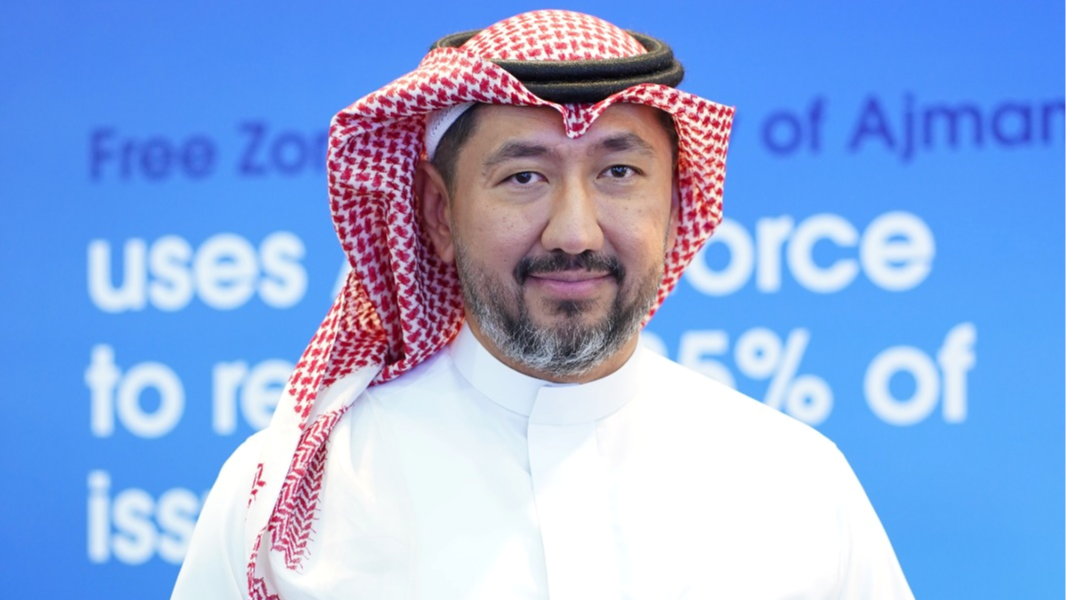
Dubai and Singapore are well positioned to strengthen their roles as global wealth management centres, with growing investment links between Asia and the Middle East creating opportunities for both markets, according to Bank of Singapore CEO Jason Moo.
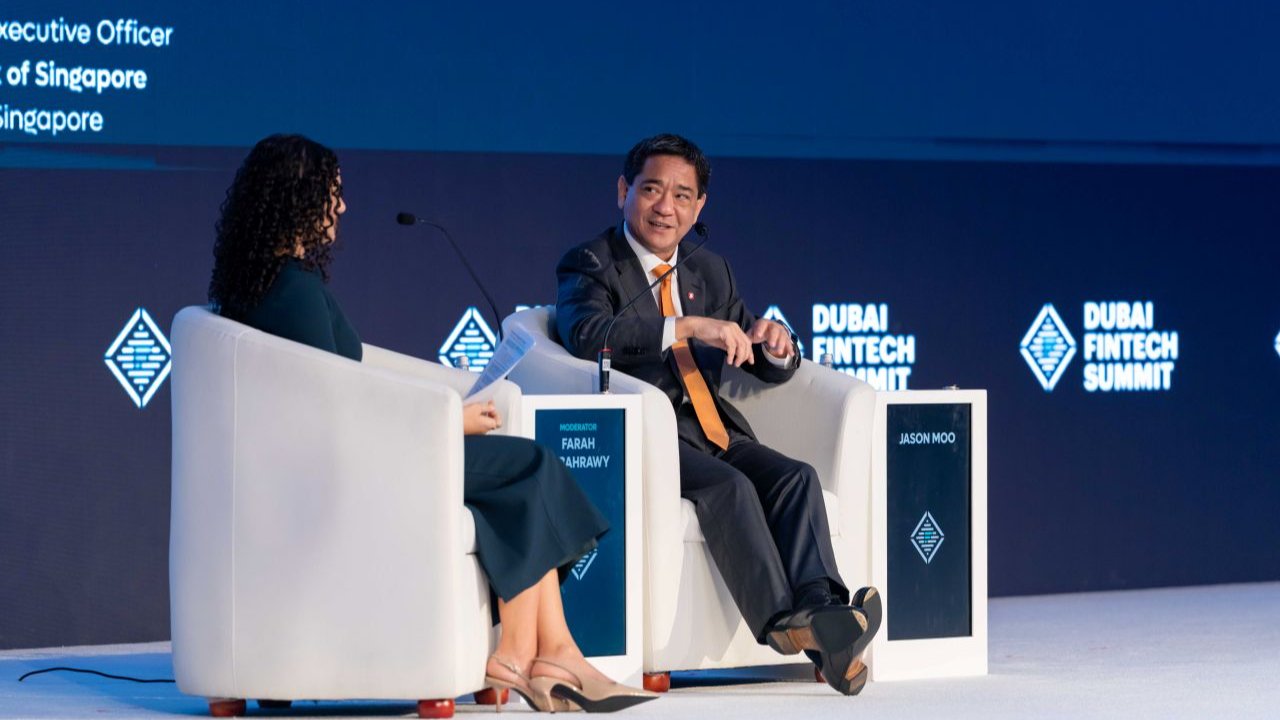
Speaking at the Dubai FinTech Summit on November 5, 2026, Moo discussed the evolving global wealth landscape, cross-border investment flows and the impact of artificial intelligence on private banking.
During a fireside chat titled “A New Era for Global Wealth: Capital, Technology and the Rise of Asia”, held at Madinat Jumeirah, Moo shared the bank's perspective on the growing importance of Dubai to its Middle East operations.
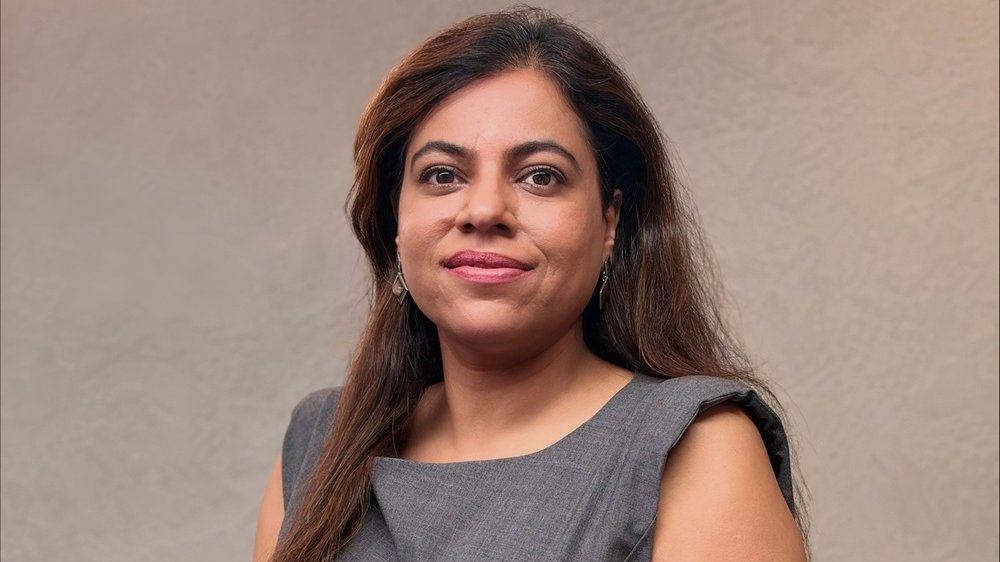
The session followed opening remarks by Essa Kazim, Governor of the Dubai International Financial Centre (DIFC). Moo spoke with Farah Elbahrawy, Team Leader, EMEA Equities at Bloomberg News.
Dubai and Singapore serve complementary markets
Moo described Asia as both a source of capital and an investment destination, noting that the bank has seen an increase in international clients over the past five years, although Asian clients continue to make up the majority of its customer base.
As investors diversify where their wealth is held and managed, he said both Dubai and Singapore have opportunities to expand.
“There is no cannibalization. There’s enough wealth around the world to really be managed in different locations,” Moo said.
He cited Dubai's geographical position between Asia and Europe, its developing technology and investment ecosystem around DIFC, and growth prospects across the GCC and Indian subcontinent as factors supporting its appeal.
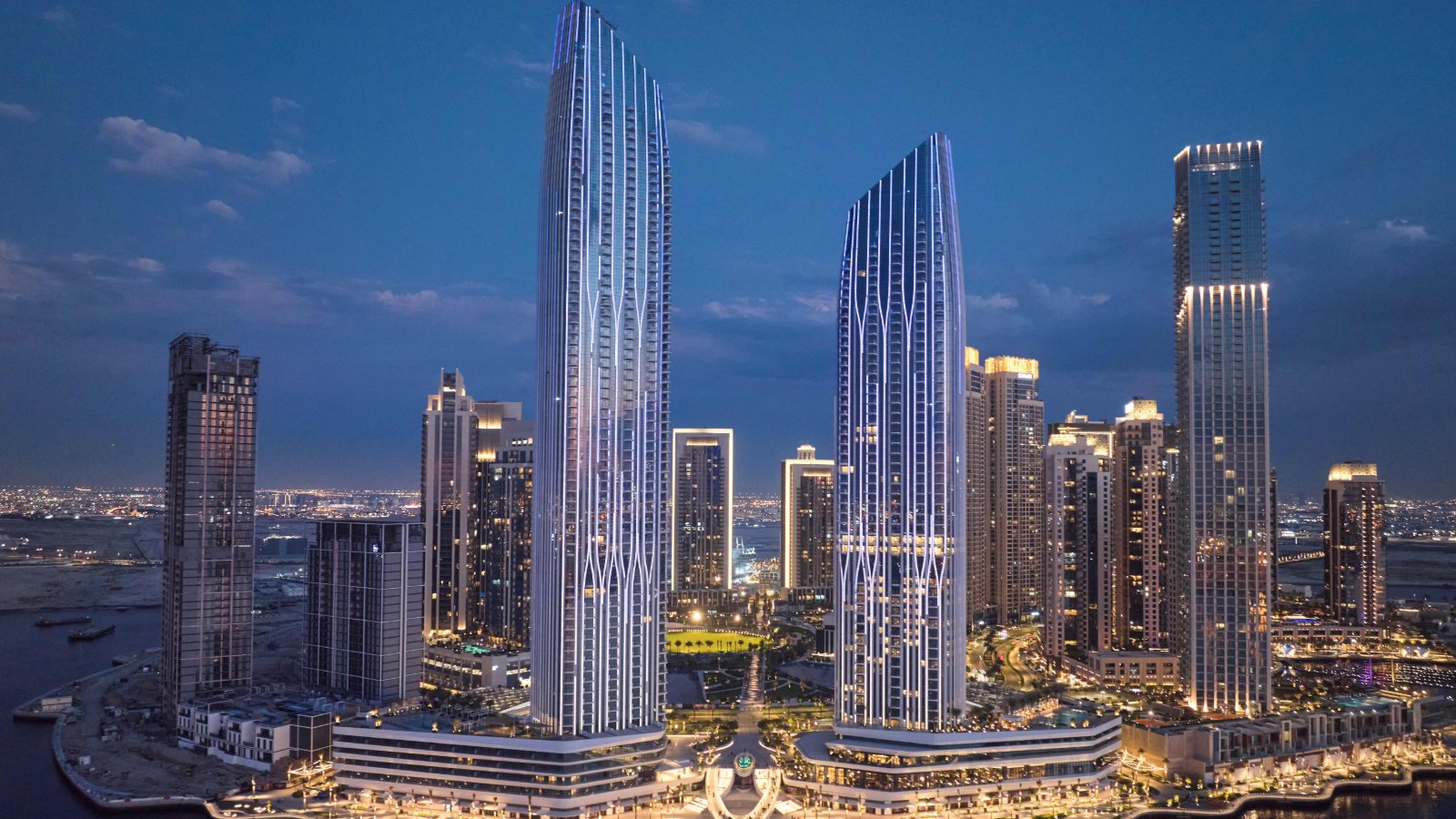
Dubai is one of Bank of Singapore's three strategic hubs, alongside Hong Kong and Singapore. Its DIFC branch serves clients in the Middle East and Europe and is continuing to expand its team of bankers.
Growing investment links between Asia and the Middle East
Moo said the bank has observed increasing interest from Chinese conglomerates and investors in Dubai's wealth management and investment opportunities.
To support this interest, Bank of Singapore has organised visits to Dubai for investors and senior executives from Chinese financial institutions. Its DIFC branch also provides dedicated Chinese client coverage.
At the same time, Middle Eastern clients are increasingly exploring Asian markets for investment and custody opportunities, including countries within the Association of Southeast Asian Nations (ASEAN).
Moo described the Asia-Middle East corridor as an area where new investment partnerships could emerge. The bank can draw on its parent company OCBC Group's network across Greater China and ASEAN to support clients seeking opportunities in these markets.
Family offices explore wider investment options
Moo also highlighted changing investment requirements among family offices, which are increasingly adopting institutional approaches to asset allocation and diversification.
He said private banks must provide access to a broad range of investment opportunities, spanning public and private markets.
Interest is also growing in private market investments linked to artificial intelligence and its supporting infrastructure, including data centres, cooling systems and energy.
AI accelerates private banking processes
Artificial intelligence is also helping Bank of Singapore improve operational efficiency, particularly in client onboarding and due diligence.
Moo said the bank has developed its own AI agents to support know-your-customer (KYC) checks by collecting information and generating reports.
According to him, the technology has helped reduce the account-opening process to 15 business days, compared with an industry median of approximately six weeks.
However, he cautioned that the growing use of agentic AI requires stronger cybersecurity measures, particularly as clients develop their own AI agents and dashboards to manage financial information.
“AI is going to be an incredible game changer, but at the same time a big threat if we don’t think about the most important aspect of it, and that’s cybersecurity,” he said.
As geopolitical uncertainty continues to influence how investors hold and allocate their wealth, Bank of Singapore sees its Dubai hub playing an increasingly important role in connecting Middle Eastern clients with international opportunities, particularly across Asia.