
UAE and EU Strengthen Cooperation on Humanitarian Supply Chain Resilience Amid Global Disruptions
The UAE Embassy in Brussels, in collaboration with Dubai Humanitarian and the European Commission’s Directorate-General for European Civil Protection and Humanitarian Aid Operations (DG ECHO), hosted a high-level panel discussion focused on strengthening humanitarian supply chain resilience amid growing geopolitical uncertainty and global logistical disruptions.
Held in Brussels, the event brought together more than 80 senior representatives from the European Union, the UAE, United Nations agencies, non-governmental organisations, humanitarian logistics experts, and private-sector stakeholders. The discussions centred on safeguarding humanitarian operations and ensuring uninterrupted delivery of life-saving assistance during times of crisis.
The dialogue comes at a time when conflicts, maritime security concerns, airspace restrictions, and wider supply chain challenges continue to place unprecedented pressure on global humanitarian networks.
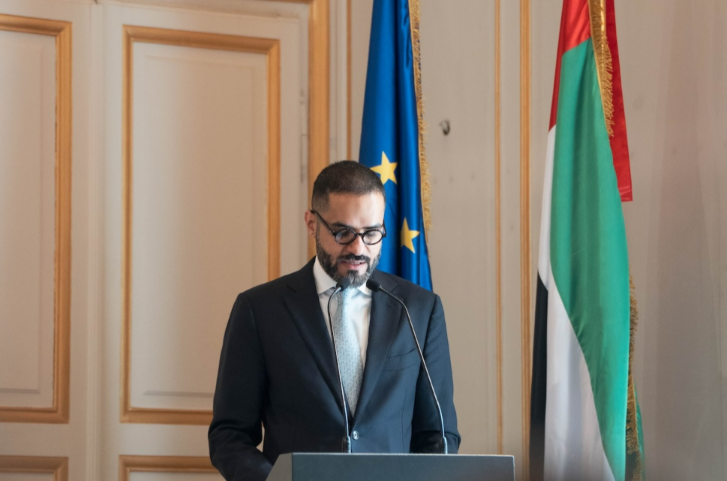
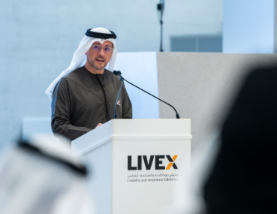
In his opening remarks, H.E. Mohammed Ismail Al Sahlawi, UAE Ambassador to the Kingdom of Belgium, the Grand Duchy of Luxembourg, and the European Union, highlighted the importance of strengthening international preparedness and cooperation.
“Millions of people around the world depend on food, fuel and medicine delivered through critical trade routes. Since the disruptions caused by the COVID-19 pandemic, the UAE has worked closely with its European partners to improve emergency preparedness and strengthen the resilience of humanitarian delivery systems,” he said.
Maciej Popowski, Director-General of DG ECHO, stressed that collaboration remains central to maintaining effective humanitarian operations in an increasingly volatile environment.
“Resilience is built through collaboration. We need to move from siloed and disconnected supply chains towards a coordinated and integrated humanitarian network that enhances preparedness, adaptability and efficiency. Strengthening partnerships is essential to ensuring that life-saving assistance reaches those who need it most,” he said.
Giuseppe Saba, Chief Executive Officer and Board Member of Dubai Humanitarian, underscored the growing need for coordinated action and resilient logistics frameworks.
“Humanitarian action depends more than ever on our ability to adapt and collaborate across borders and systems. In an era defined by volatility and constrained access, the strength of our response lies in resilient partnerships, preparedness and efficient logistics networks,” Saba said.
The panel examined the impact of ongoing conflicts, transportation disruptions, and geopolitical instability on humanitarian operations worldwide. Participants explored strategies to strengthen logistics infrastructure, enhance emergency preparedness, and establish more resilient humanitarian corridors capable of sustaining aid flows during crises.
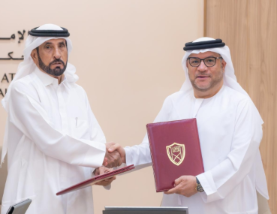
The event also highlighted the deepening humanitarian partnership between the UAE and the European Union, building on the Administrative Arrangement signed between DG ECHO and Dubai Humanitarian in 2025. Since then, both parties have expanded cooperation across humanitarian operations, shared logistics hubs, information exchange mechanisms, local preparedness initiatives, and mutual operational support.
A key focus of the discussion was Dubai Humanitarian’s operational continuity model, which has helped sustain aid deliveries to crisis-affected regions including Gaza, Lebanon, Afghanistan, and other vulnerable areas despite significant regional instability.
Through its integrated logistics ecosystem, pre-positioned relief supplies, and extensive partner network, Dubai Humanitarian has demonstrated how strategically located humanitarian hubs can maintain continuity of aid operations even when traditional supply routes face disruption.
Moderated by Sarah Muscroft, Chief of the Response Support Branch at UN OCHA, the panel featured humanitarian leaders from international organisations, government institutions, and the private sector. Discussions focused on future-proofing humanitarian response systems through greater resilience, digitalisation, localisation, preparedness, and multi-stakeholder coordination.
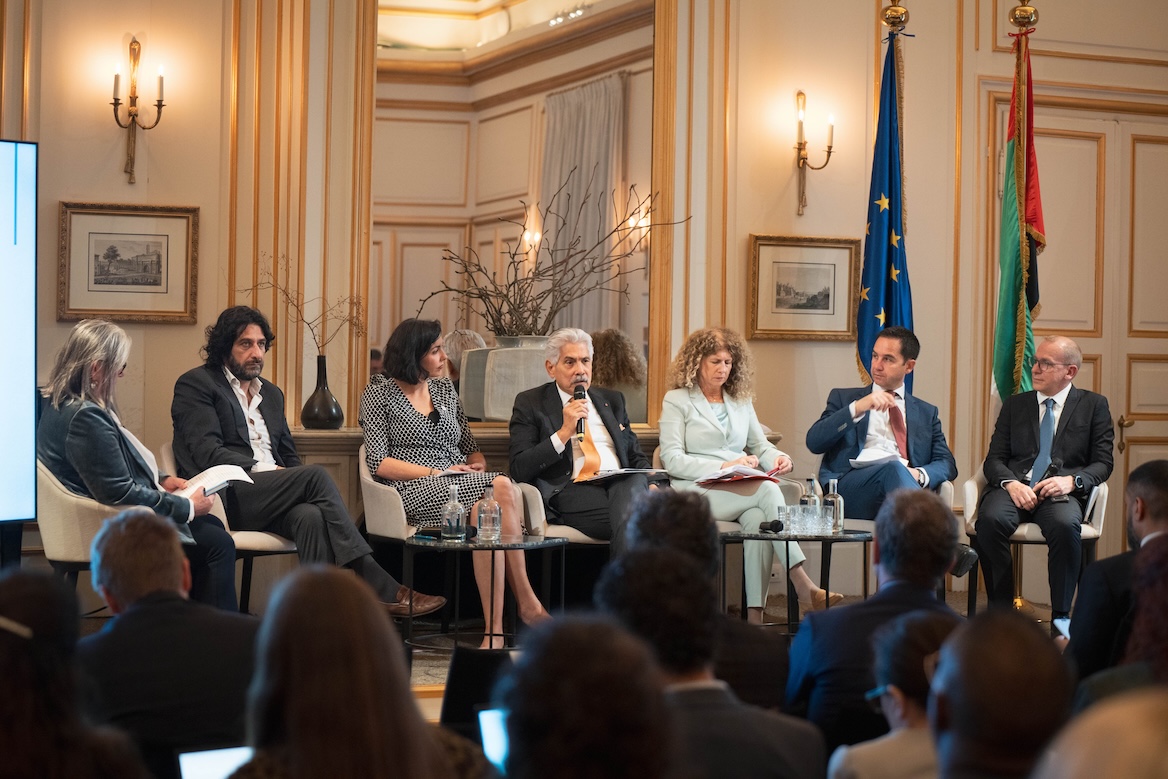
Participants also explored opportunities to strengthen engagement between European humanitarian actors and Dubai Humanitarian’s operational capabilities, with the objective of creating faster, more reliable and adaptive aid delivery systems.
Held under Chatham House Rules to encourage open dialogue, the event concluded with a shared commitment to advancing collaborative frameworks that enhance humanitarian supply chain continuity and ensure humanitarian assistance remains efficient, responsive and accessible to communities in need.
The discussions reinforced the growing role of international partnerships in addressing increasingly complex humanitarian challenges and highlighted the importance of building resilient systems capable of supporting vulnerable populations during future crises.


Add Your Directory With Us
Boost your visibility with our Business Directory

Add Your BCard With Us
Open the door to new professional connections.
DayOfDubai
Business Services

Comments (0)
Please log in to post a comment
Login to CommentNo comments yet. Be the first to share your thoughts!