

Fire Code Compliance Becomes Critical for High-Rise Developments Across MENA
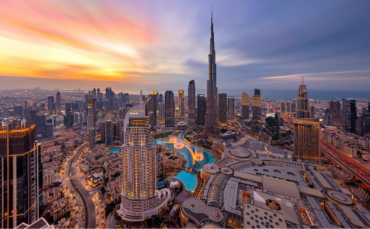
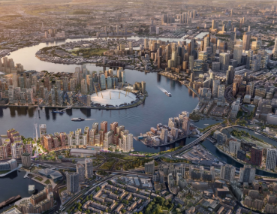
As countries across the Middle East and North Africa (MENA) continue to invest heavily in high-rise towers, smart cities, mixed-use developments, and large-scale tourism projects, fire code compliance is emerging as a key factor in ensuring long-term safety, resilience, and sustainable urban growth.
The region's ambitious development plans are transforming city skylines and positioning MENA as a global hub for business, innovation, and tourism. However, experts say that alongside architectural excellence and technological innovation, fire safety must remain a top priority throughout a building's lifecycle.
Growing Complexity Increases Fire Safety Challenges
Modern developments are becoming increasingly complex, combining residential, hospitality, retail, entertainment, and commercial spaces within single projects. While these integrated developments enhance urban living, they also introduce new challenges for emergency planning and fire protection.
At the same time, developers are incorporating advanced technologies such as smart building systems, renewable energy solutions, battery storage, interconnected management platforms, and modern façade systems, all of which require updated fire safety strategies.
According to Paul Sincaglia, mixed-use high-rise buildings pose significantly greater evacuation and emergency response challenges than traditional office towers due to the large number of residents, hotel guests, office workers, shoppers, and visitors occupying the same structure.
Fire Safety Now a Business Priority
Fire safety is no longer viewed solely as a regulatory requirement. It has become a major business consideration influencing asset value, investor confidence, insurance requirements, operational continuity, and corporate reputation.
Investors are increasingly assessing safety risks before committing capital, while insurers are placing greater emphasis on fire protection systems and loss prevention measures. Occupants also expect higher safety standards in the buildings where they live and work.
Sincaglia noted that the financial consequences of a fire extend beyond property damage, potentially resulting in business disruption, legal liabilities, reputational damage, and loss of customer and investor confidence.
Building Codes Provide the Foundation
Modern building and fire codes remain central to creating safer buildings by establishing clear requirements for design, construction, and ongoing operation.
The International Code Council's (ICC) International Codes (I-Codes), including the International Building Code (IBC) and the International Fire Code (IFC), provide guidance on key areas such as:
- Fire prevention
- Fire protection systems
- Emergency exits and evacuation routes
- Smoke management
- Structural fire resistance
These codes are regularly updated to reflect evolving construction techniques, emerging technologies, and new safety risks, making them particularly relevant for today's increasingly sophisticated high-rise developments.
Shared Responsibility Across the Industry
Many countries across MENA have adopted internationally recognized building codes as part of broader efforts to improve construction quality, strengthen investor confidence, and support sustainable urban development.
According to Sincaglia, the most effective fire safety outcomes are achieved when compliance is viewed as a shared responsibility involving:
- Architects and designers
- Engineers
- Contractors
- Regulators
- Building owners
- Facility managers
Maintaining safety also requires continuous inspections, testing, maintenance of fire protection systems, and ongoing professional training as buildings become more technologically advanced.
Supporting Future Urban Growth
With urban expansion expected to continue across the region, experts emphasize that fire safety should be integrated from the earliest stages of project planning rather than treated as a regulatory requirement later in the construction process.
Sincaglia concluded that effective fire code compliance is essential not only for meeting legal obligations but also for protecting lives, safeguarding investments, enhancing business resilience, and ensuring that MENA's next generation of landmark developments remains safe and sustainable for the future.








Add Your Directory With Us
Boost your visibility with our Business Directory

Add Your BCard With Us
Open the door to new professional connections.
DayOfDubai
Business Services

Comments (0)
Please log in to post a comment
Login to CommentNo comments yet. Be the first to share your thoughts!