
Dubai Residential Market Moderates as Housing Supply Surges in Q2 2026: Savills
Dubai's residential property market entered a more balanced phase during the second quarter of 2026, with transaction activity easing after several years of exceptional growth, according to Savills' Dubai Residential Market in Minutes Q2 2026 report.
The report revealed that 35,884 residential transactions were recorded during Q2 2026, marking a 19% quarter-on-quarter decline as buyers became more selective amid rising housing supply, increased property choices, and a more cautious investment environment.
Despite the moderation in activity, Savills noted that Dubai's long-term property market fundamentals remain strong, supported by continued infrastructure investment, favorable residency policies, and the city's appeal as a global destination for investment and lifestyle.
Transaction Activity Returns to Sustainable Levels
The off-plan market continued to dominate residential sales, accounting for 76% of all transactions during the quarter. Meanwhile, activity in the ready property market slowed significantly, with transactions declining by around 30% compared to the previous quarter.
Secondary market transactions also weakened, falling by approximately 29%, while primary market sales recorded a comparatively smaller decline of 16%.
Savills observed that ready-market transactions have stabilized at roughly 2,800 sales per month since March, suggesting the pace of market adjustment may already be easing.
The report also highlighted a notable increase in refinancing activity, which represented nearly 70% of valuation instructions by the end of Q2, compared to historical levels of around 30%. This trend indicates that many homeowners are choosing to optimize financing arrangements rather than sell their properties, reflecting continued confidence in Dubai's long-term market outlook.
Residential Completions Reach Multi-Year High
One of the quarter's most significant developments was the sharp increase in housing deliveries.
Approximately 27,300 residential units were completed during Q2 2026, representing the highest quarterly handover volume in recent years. This included around 17,400 apartments and 9,900 villas and townhouses, significantly expanding the supply of ready homes across Dubai.
In contrast, developers adopted a more cautious approach to launching new projects. Around 5,335 residential units were introduced during the quarter, a sharp decline from the 45,000-plus units launched in Q1 2026.
Developers are also extending project delivery schedules from an average of three years to four years, helping distribute future supply over a longer period and reducing short-term market pressure.
Buyers Becoming More Selective
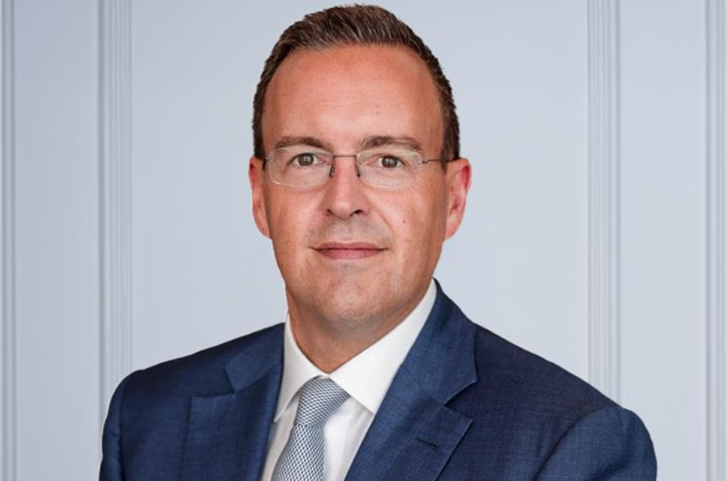
Andrew Cummings, Head of Residential Agency at Savills, said the market is transitioning into a more balanced stage rather than experiencing a widespread correction.
He explained that while demand remains strong for premium, well-located properties and established communities, buyers now have greater choice and are taking more time before making purchasing decisions.
According to Savills, market performance is expected to become increasingly location-specific, with areas experiencing large volumes of new supply potentially facing further price adjustments, while supply-constrained communities are likely to remain more resilient.
Price Growth Slows Across Residential Market
Property price growth moderated during the quarter as additional completed homes entered the market.
Average apartment prices declined by approximately 4% quarter-on-quarter to AED 1,960 per square foot, while average villa and townhouse prices eased by around 0.8% to AED 1,646 per square foot.
Savills' analysis of more than 500 comparable transactions indicates that underlying residential prices adjusted by around 5% to 7% during the quarter, with certain communities recording declines of up to 10%.
Areas such as Dubai Hills Estate and Arabian Ranches 3 experienced greater pricing pressure due to increased supply, while more established communities such as Reem Mira demonstrated stronger resilience. Despite the quarterly decline, overall property values remain above levels recorded a year earlier.
Rental Market Also Rebalances
Dubai's rental market also showed signs of normalization during Q2.
Annual Ejari registrations fell by approximately 22% compared to the previous quarter, while average rental rates across major residential communities declined between 8% and 10%.
The moderation reflects increased housing availability, greater tenant choice, and stronger competition from serviced apartments and short-term rental properties, creating a more competitive environment for landlords.
Luxury Property Segment Remains Strong
The prime residential market also experienced slower activity, with transactions valued above AED 10 million falling 54% quarter-on-quarter to 864 deals.
However, luxury demand remained concentrated in established high-end communities, including Palm Jumeirah, Dubai Hills Estate, and Jumeirah Golf Estates.
The quarter also witnessed several notable ultra-prime transactions, including a record-breaking AED 280 million villa sale on Jumeirah Bay Island, highlighting continued demand for premium waterfront homes and branded luxury residences.



Add Your Directory With Us
Boost your visibility with our Business Directory

Add Your BCard With Us
Open the door to new professional connections.
DayOfDubai
Business Services

Comments (0)
Please log in to post a comment
Login to CommentNo comments yet. Be the first to share your thoughts!