
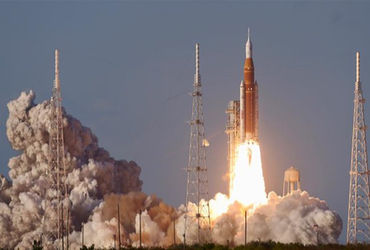
Sharjah Centre Observes NASA’s Artemis II Historic Moon Mission
The Sharjah Space and Astronomy Centre successfully observed Artemis II in the early hours of Saturday, marking a historic milestone in human space exploration.
The spacecraft was tracked between 4am and 5am, as it continued its journey around the Moon following launch from the Kennedy Space Center aboard NASA’s powerful Space Launch System rocket.
First Crewed Lunar Mission In Over Five Decades
Led by NASA, Artemis II is the first crewed mission to travel toward the Moon in more than 50 years, since Apollo 17.
The mission includes four astronauts — three Americans and one Canadian — travelling aboard the Orion spacecraft on a 10-day deep-space journey that will take them farther than any human mission in modern history.
A Step Toward Sustainable Lunar Exploration
Artemis II represents a crucial phase of the broader Artemis programme, designed to establish a long-term human presence on the Moon.
The mission aims to:
- Lay groundwork for regular lunar missions
- Support plans to land the first woman and first person of colour on the Moon
- Advance preparations for future missions to Mars
With an estimated programme cost exceeding $93 billion, Artemis is central to the United States’ strategy to maintain leadership in space amid increasing global competition.
UAE’s Growing Role In Space Collaboration
The UAE continues to strengthen its presence in global space efforts through partnerships like the Artemis Accords, signed by the UAE Space Agency in 2020.
This agreement supports safe and sustainable exploration of space, aligning the UAE with leading spacefaring nations working toward a permanent human presence on the Moon.
The country has already achieved significant milestones, including the launch of its astronaut programme, which saw Hazza AlMansoori become the first Emirati in space during his mission to the International Space Station in 2019.
Looking Ahead To The Moon And Beyond
As Artemis II continues its journey, it signals a new era of exploration, with NASA targeting a return to the lunar surface by 2028, particularly at the Moon’s south pole.
The mission not only revives human lunar exploration but also sets the stage for deep-space ambitions, bringing humanity one step closer to Mars and beyond.









Add Your Directory With Us
Boost your visibility with our Business Directory

Add Your BCard With Us
Open the door to new professional connections.
DayOfDubai
Business Services
