

University of Manchester - Dubai highlights leadership development amid UAE trade expansion

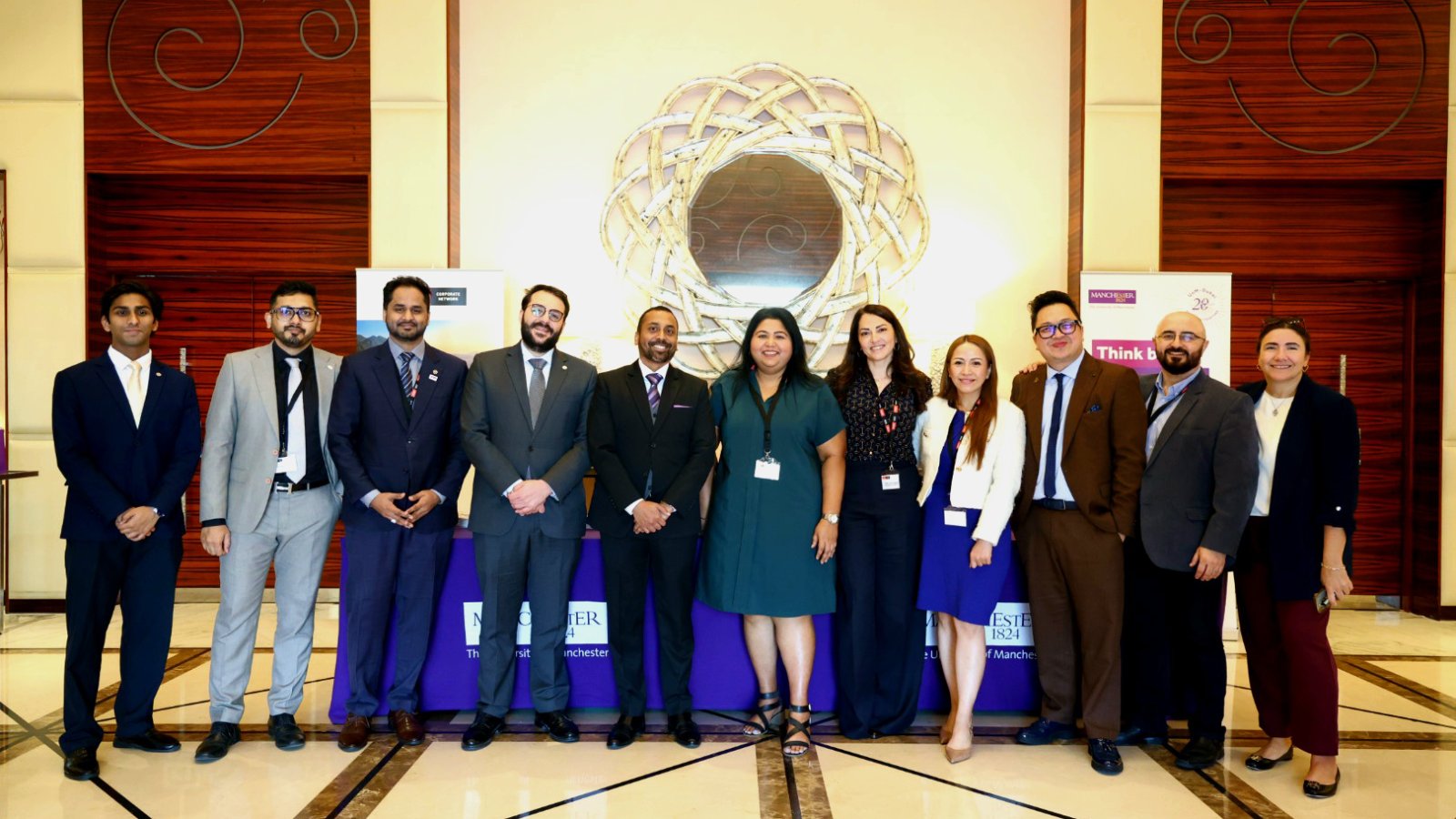
The University of Manchester – Dubai has brought students and alumni into discussions with senior business leaders and economic experts on global trade, investment and business strategy at the Economist Enterprise Corporate Network (EICN) Annual Conference.
Sponsored by the university, the conference was held on October 29, 2026, at the Westin Dubai Mina Seyahi under the theme “A New Trade Geography: How the Middle East Can Shape the Landscape”.
The event explored how shifting global trade patterns are reshaping supply chains, trade corridors and investment flows across the Middle East. Discussions also examined the Economist Intelligence Unit’s global and regional outlook for 2027 and beyond, covering competitiveness, infrastructure, industrial development and the region’s ability to attract capital and talent.
The university’s sponsorship reflects its focus on connecting academic learning with industry engagement and supporting the continued professional development of its students and alumni.
Business leaders discuss regional trade and investment
The conference featured speakers from across business, logistics, technology and finance, including Dr Nasser Saidi, founder and president of Nasser Saidi & Associates and former minister of economy and trade and minister of industry of Lebanon.
Other speakers included Tobias Maier, CEO for the Middle East and Africa at DHL Global Forwarding; Helmut von Struve, CEO of Siemens UAE and the Middle East; and Sylvain Kluba, chief finance officer for India, the Middle East and Africa at CEVA Logistics.
The discussions gave students and alumni an opportunity to hear from senior executives operating across different industries and markets, gaining perspectives on the commercial challenges facing organisations.
Dr Ahmed Eissa, group CEO of Saudi German Health UAE and a university alumnus, delivered a keynote address on how the UAE can create opportunities amid global economic change.
Eissa highlighted the importance of continuous education throughout a leadership career, emphasising the role universities play in challenging established thinking and helping professionals develop the judgement needed to navigate uncertainty.
UAE trade growth underscores importance of global business skills
The conference took place as the UAE continues to expand its international trading relationships. The country's non-oil foreign trade reached Dh1.937 trillion in the first half of 2026, increasing 13.1% compared with the same period in 2025.
Dubai's Economic Agenda D33 also aims to expand foreign trade and add 400 cities to the emirate's trade network, placing international business development at the centre of its long-term economic priorities.
Randa Bessiso, founding director and CEO for the Middle East at The University of Manchester – Dubai, said businesses must make informed decisions about investment, operations and capability development as the UAE expands its trade relationships.
“Making these decisions requires sound commercial judgement, an understanding of international markets and the ability to weigh opportunity against risk,” Bessiso said.
She added that universities have a responsibility to connect academic knowledge with practical business demands, enabling students to examine regional developments alongside senior executives and consider perspectives from other sectors.
University strengthens industry engagement
The University of Manchester – Dubai organises masterclasses, career networking events and business forums throughout the year, bringing students and alumni together with academics, employers and senior executives.
These initiatives provide opportunities to explore current business challenges and learn from experienced professionals across different industries.
The university has also sponsored previous editions of the EICN Annual Conference, continuing its engagement with the regional business community and its focus on developing leadership capabilities aligned with the UAE's long-term economic ambitions.