

Nabat and Indonesia Partner at COP31 to Advance AI-Powered Mangrove Restoration

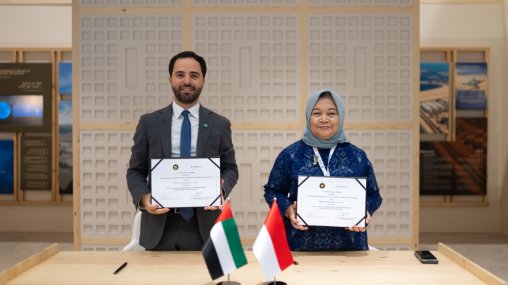
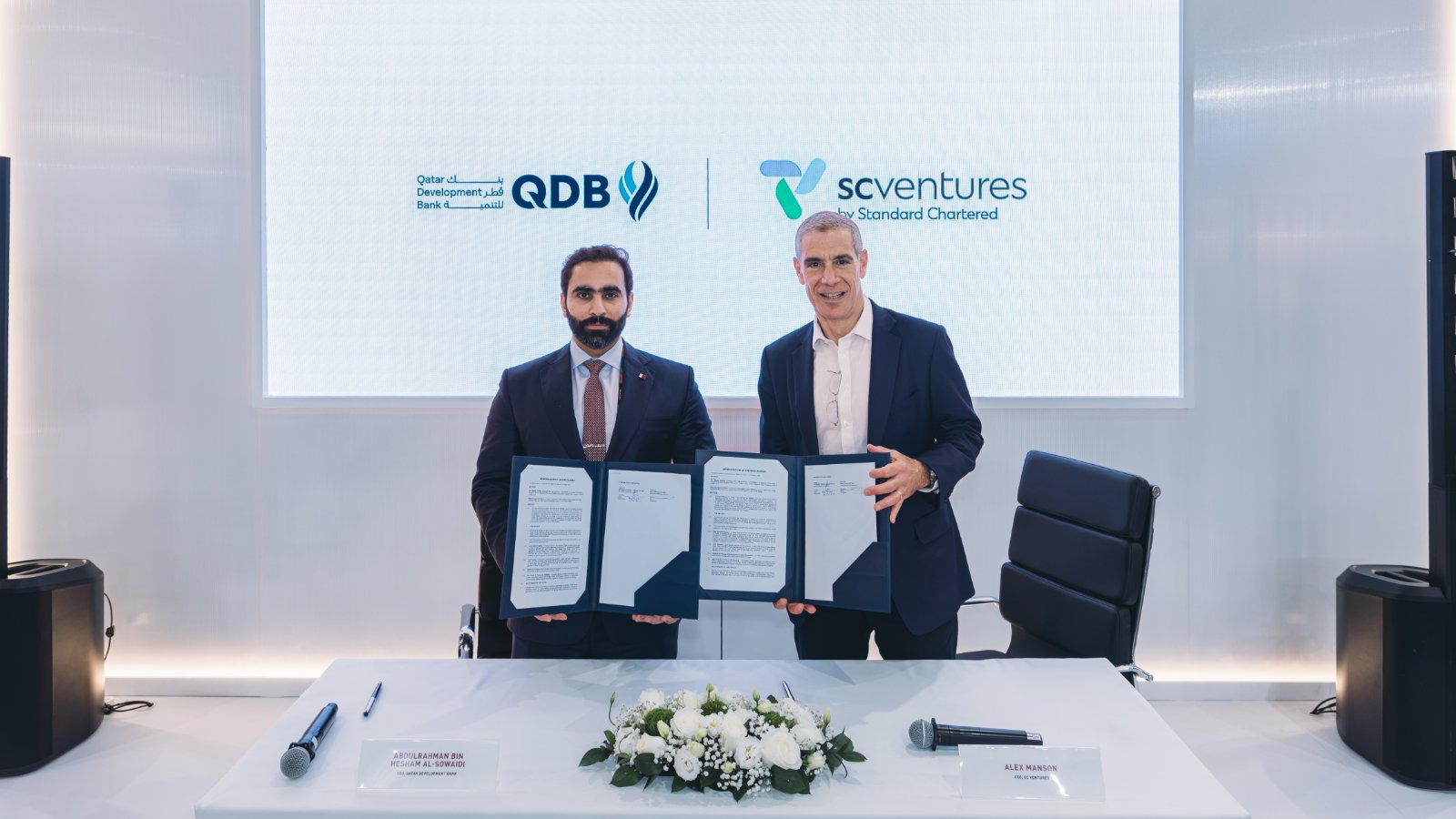
Abu Dhabi-based Nabat, a nature technology company of the Advanced Technology Research Council (ATRC), has signed a collaboration agreement with Indonesia’s Coordinating Ministry for Food Affairs (CMFA) at COP31 to advance AI-powered mangrove ecosystem management in Demak, Central Java.
The agreement was facilitated by ATRC and signed by Dr Ir Nani Hendiarti, Indonesia’s Deputy Coordinating Minister for Food Accessibility and Safety, and Mehdi Ajana, Nabat’s Vice President of Strategy and Growth, representing the company’s CEO, Reda Nidhakou.
The partnership builds on environmental cooperation between the UAE and Indonesia, including their joint launch of the Mangrove Alliance for Climate (MAC) at COP27. The new agreement aims to translate that commitment into practical restoration and monitoring initiatives by combining UAE-developed technology with Indonesian scientific expertise and local environmental knowledge.
AI and Satellite Technology for Mangrove Restoration
Under the collaboration, Nabat will adapt its ecology-specialised AI models to Indonesia’s coastal conditions through two pilot projects.
The first pilot will use satellite imagery alongside more than 20 environmental predictors, including hydrology, elevation, soil characteristics and tidal conditions. The data will help identify and prioritise areas suitable for mangrove restoration.
The second pilot will combine drone-based LiDAR technology, field measurements and soil sampling to establish a field-validated baseline of mangrove carbon stocks. This baseline is intended to support future monitoring and verification efforts.
Together, the initiatives aim to improve the accuracy of restoration planning and strengthen the data available for assessing mangrove ecosystems and their carbon storage potential.
Collaboration with Indonesian Experts and Communities
The programme will involve Indonesian technical and academic partners, alongside digital field-data collection training for relevant institutions and coastal communities.
Project findings will be made available through NabatOS, the company's AI-powered ecosystem management platform. The platform will support access to data and insights generated through the pilot initiatives.
The collaboration is intended to strengthen the role of technology and scientific evidence in mangrove conservation while supporting local expertise and community participation.
UAE–Indonesia Cooperation on Climate Action
Dr Ir Nani Hendiarti, Indonesia’s Deputy Coordinating Minister for Food Accessibility and Safety, said the agreement represents a stronger commitment by Indonesia and the UAE to science- and technology-driven solutions for mangrove conservation, climate action and coastal resilience.
She added that the partnership translates diplomatic commitments into practical initiatives under the Mangrove Alliance for Climate, which is co-chaired by the two countries.
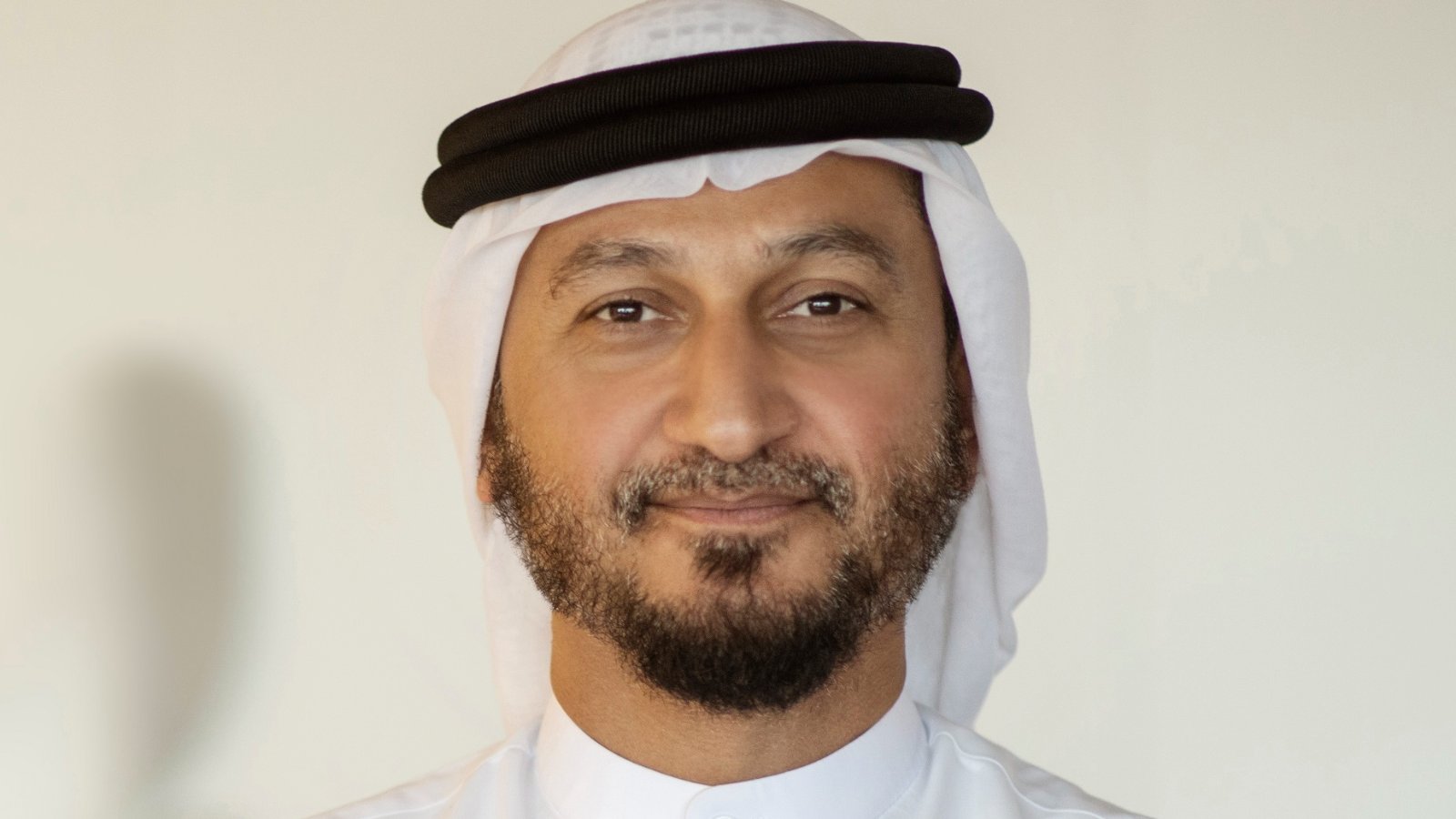
Reda Nidhakou, CEO of Nabat, said the collaboration would combine scientific expertise, technology and reliable data to support mangrove restoration at scale.
He highlighted the company's intention to adapt its AI models to Indonesia’s local conditions and work with Indonesian experts to improve restoration planning and carbon monitoring. The broader objective, he said, is to turn advanced technology into practical tools that deliver measurable benefits for ecosystems and the communities that depend on them.