

FIA President Mohammed Ben Sulayem Announces Plan for V8 Engine Return to Formula 1 from 2030

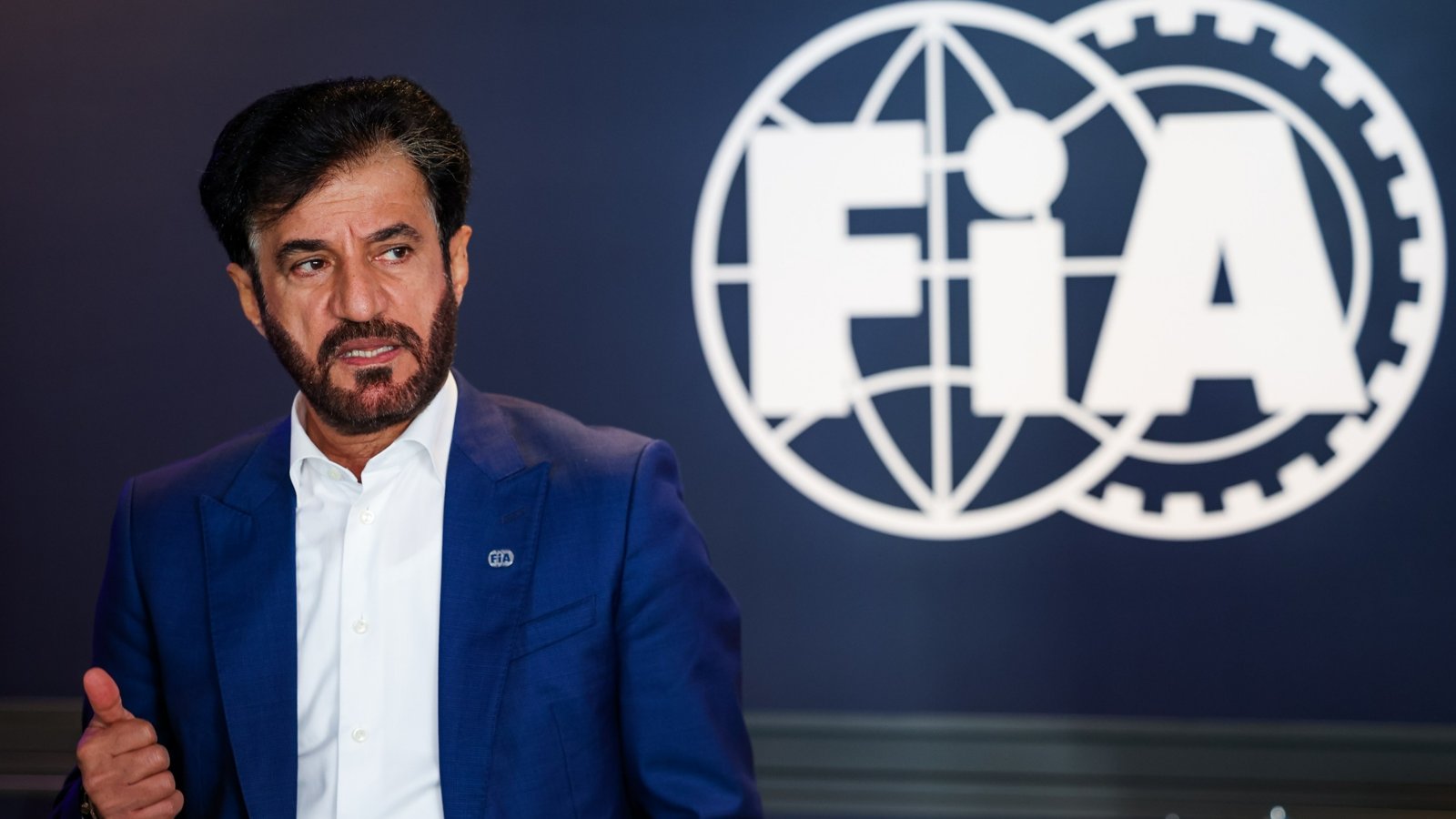
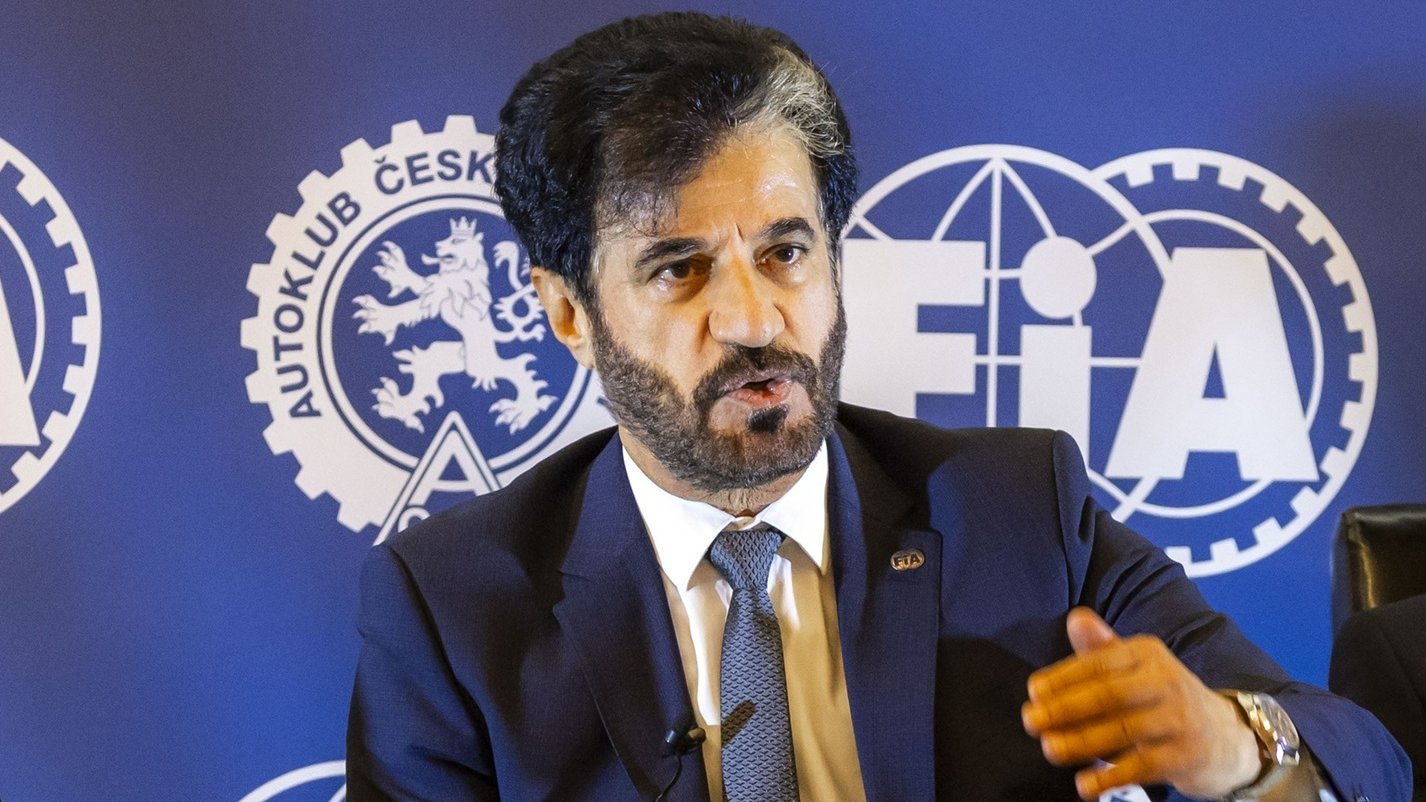
FIA President Mohammed Ben Sulayem has welcomed a milestone agreement on the future of Formula 1 power units, which includes plans to reintroduce V8 engines to the FIA Formula One World Championship from 2030.
The FIA announced that the proposed 2030 technical framework has received unanimous agreement from the governing body, Formula One Management (FOM), the teams and Formula 1 power unit manufacturers.
Ben Sulayem, who has been advocating the return of V8 engines, described the agreement as an important step towards shaping the future of the sport and reconnecting with the characteristics that have traditionally defined Formula 1.
“This agreement marks a significant milestone in shaping the future of Formula 1,” he said.
“From the outset I have been clear in my ambition to deliver a sport that is more competitive and more exciting for our fans, while remaining at the forefront of innovation and sustainability.
“The return of V8 engines represents an opportunity to reconnect with the DNA of this Championship, bringing back the sound, emotion and pure racing that is loved worldwide. Our vision is clear, lighter, simpler and more affordable cars that put driver skill at the heart of the competition.”
He also thanked the stakeholders involved in reaching the agreement, highlighting the importance of collaboration in developing the next phase of Formula 1.
Proposed 2030 V8 engine framework focuses on simplicity and performance
Under the framework presented by the FIA, the proposed power unit will feature a 2.1-litre turbocharged V8 engine, retaining certain geometrical characteristics while reducing the complexity of current power unit systems.
The primary objective is to develop a lighter, simpler and more cost-effective power unit. The proposed configuration will include limited hybridisation and incorporate relevant sustainable technologies, while aiming to deliver a more engaging racing experience and the engine sound associated with V8-powered Formula 1 cars.
The power unit is also expected to be paired with a lighter and more agile chassis. The proposed direction places greater emphasis on driver skill, closer racing and the ability of drivers to push their cars to the limit.
The next stage involves presenting the definitive 2030 regulatory framework to the FIA World Motor Sport Council (WMSC) at its meeting in Shanghai next month. Any regulatory changes will remain subject to WMSC approval.
Ben Sulayem draws on his motorsport experience
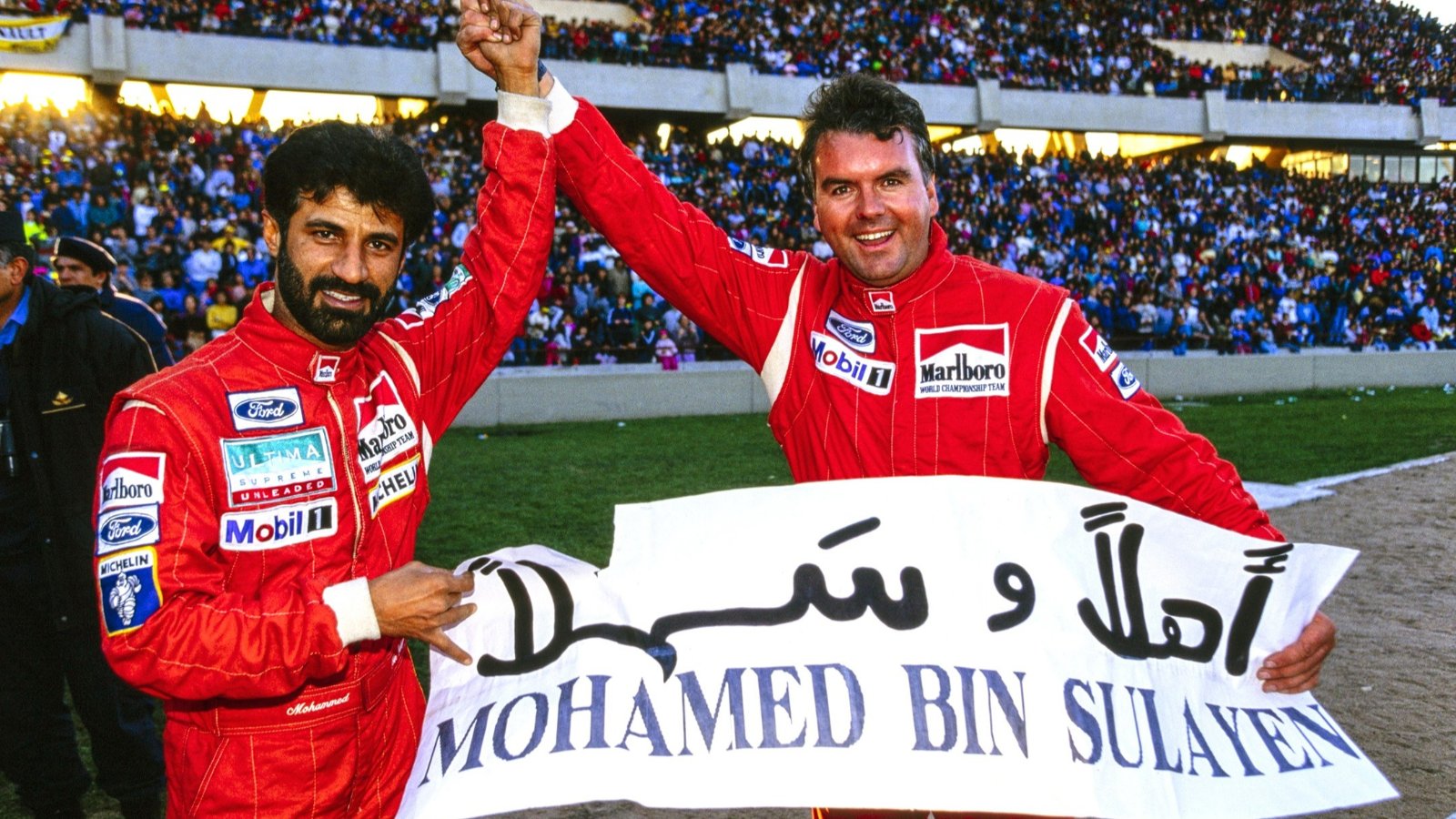
Ben Sulayem has linked his commitment to the proposed V8 return to his experience as a competitive driver and his understanding of what drivers and fans expect from the sport.
A 14-time FIA Middle East rally champion, he believes that reducing car weight and complexity can help create a more direct driving experience and place greater responsibility on driver ability.
His rallying background, he has said, has informed his perspective on the requirements of drivers, teams and event organisers, as well as the importance of delivering competition that engages spectators.
FIA President to attend Abu Dhabi Desert Challenge
The FIA President is also scheduled to attend the 35th edition of the Abu Dhabi Desert Challenge, which brings the 2026 FIA World Rally-Raid Championship season to its conclusion over six days.
Founded by Ben Sulayem in 1991, the event is set to begin with its ceremonial start in Al Ain on 22 November 2026.
The proposed return of V8 engines forms part of wider discussions about the future direction of Formula 1, with the FIA framework seeking to balance performance, affordability, sustainability and the racing experience. The final technical regulations will depend on the forthcoming WMSC approval process.