
Dubai businesses embrace AI-driven insights to speed up decision-making, Coface survey finds
Dubai's businesses are increasingly relying on artificial intelligence (AI)-driven insights to make faster and more informed decisions, as strong governance frameworks position organisations to balance growth with effective risk management, according to a new global survey by Coface.
The survey, which gathered responses from 1,250 business leaders across 13 countries, found that 68% of executives view slow decision-making as one of the biggest barriers to business growth. As economic uncertainty persists, companies are shifting their focus from simply avoiding risk to using it as a catalyst for growth and strategic decision-making.
The findings show that organisations in Dubai are ahead of the global average when it comes to integrating risk management into business planning. Around 32% of businesses involve risk teams at the earliest idea stage of projects, compared with the global average of 24%, reflecting a more mature governance structure.
At the same time, 82% of organisations in Dubai said they are prioritising AI-powered insights to enable faster, data-driven decisions. The research suggests companies are looking to enhance decision-making agility while maintaining strong governance standards.
According to the survey, 36% of businesses in Dubai already view risk functions as strategic growth partners, although 38% continue to see risk primarily as a protective function. Meanwhile, 32% identified slow decision-making as the biggest obstacle to growth, highlighting the need to improve organisational agility.
Coface noted that the findings align with the broader economic resilience seen across the Gulf, where both the UAE and Saudi Arabia have recently maintained stable sovereign credit ratings, reinforcing confidence in the region's long-term economic outlook.
The report also highlights what it describes as "decision paralysis", with internal organisational challenges increasingly outweighing external market risks. Nearly 59% of respondents said feedback from risk teams is often viewed as overly cautious or disconnected from market realities, creating friction between commercial and risk management functions.
Data fragmentation is also slowing business decisions. More than half (52%) of surveyed organisations reported inconsistent data across different markets, making it more difficult to compare performance, forecast trends and make timely decisions.
The research suggests many companies still adopt a defensive approach to risk. Half of the executives surveyed believe rejecting opportunities is safer than pursuing them within a structured risk framework. However, attitudes are changing, with 44% expecting risk teams to become strategic growth partners within the next three to five years, compared with 24% who hold that view today.
Only 12.6% of surveyed organisations were identified as "Open Advantage Leaders"—companies that consistently integrate risk management into early decision-making and use uncertainty as a competitive advantage. These businesses are more likely to involve risk teams from the outset, foster open internal debate and treat risk as a driver of innovation rather than an obstacle.
Artificial intelligence and predictive analytics are expected to play a growing role in this transformation. Around 59% of executives want risk teams to make greater use of predictive insights to model different business scenarios, while 54% support faster adoption of AI-powered risk analysis tools.
Businesses are also placing greater expectations on external partners. The survey found that 77% want predictive analytics that help anticipate market developments, while 71% expect partners to provide the confidence needed to pursue new business opportunities.
Xavier Durand, CEO of Coface, said businesses must focus on transforming uncertainty into informed decisions rather than avoiding risk altogether.
"The real challenge for companies is no longer to avoid risk, but to know how to turn uncertainty into informed decisions. The ability to capture, analyse and project information is becoming central to making faster and more secure decisions," he said.
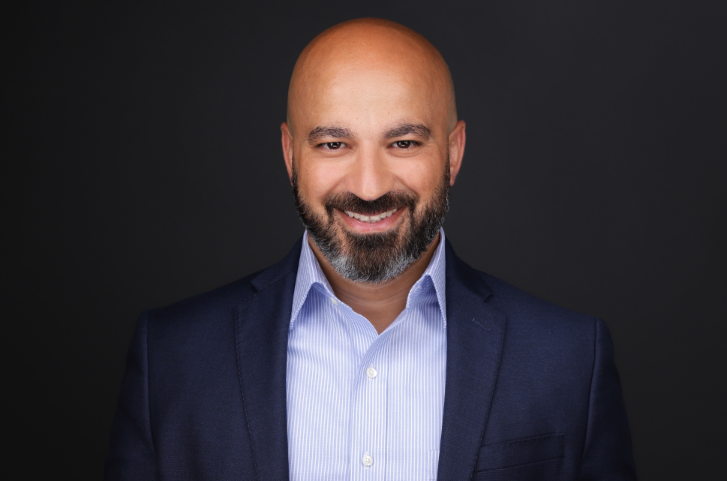
Mohamad Jomaa, CEO and Country Manager for GCC and Egypt at Coface, said Dubai's results demonstrate a market with strong governance foundations that is now focused on improving decision-making speed through technology.
He said organisations are increasingly using AI-driven intelligence to anticipate change, identify opportunities earlier and respond with greater agility while maintaining robust governance and risk controls.






Add Your Directory With Us
Boost your visibility with our Business Directory

Add Your BCard With Us
Open the door to new professional connections.
DayOfDubai
Business Services

Comments (0)
Please log in to post a comment
Login to CommentNo comments yet. Be the first to share your thoughts!