
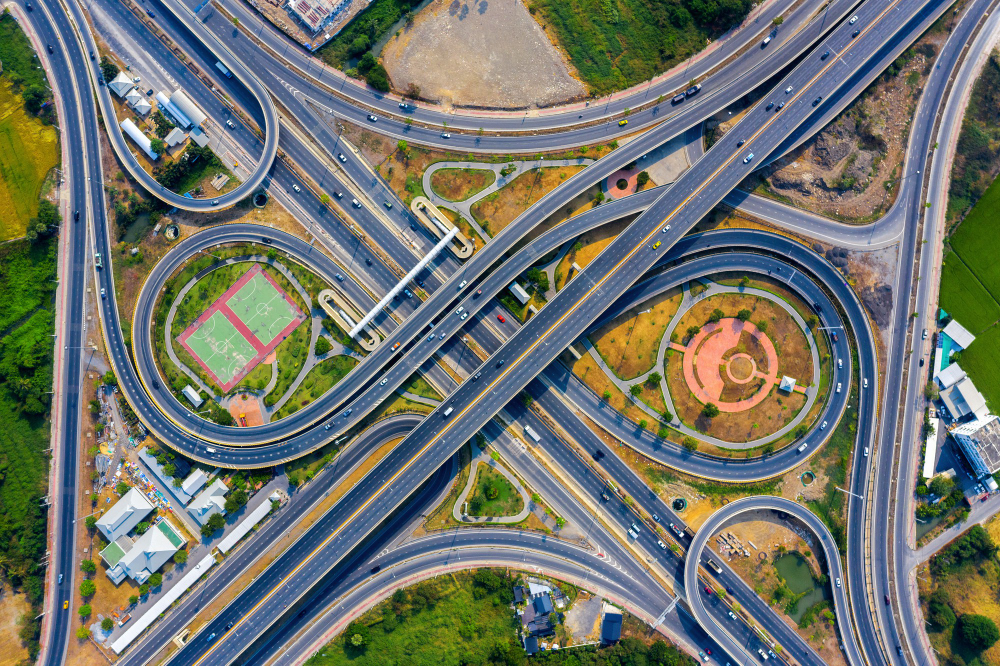
New Dubai Road Project to Cut Travel Time on Hessa Street from 24 Minutes to Just 5
The Roads and Transport Authority (RTA) has awarded the contract for Phase 2 of the Hessa Street Development Project, a transformative infrastructure initiative that will drastically reduce journey times from 24 minutes to just five minutes. The 3-kilometre corridor stretches between Sheikh Mohammed bin Zayed Road (E311) and Al Khail Road (E44), serving 10 key residential and development areas and benefiting approximately 650,000 residents.
The development will upgrade three major intersections through the construction of bridges extending 8,835 metres, a 480-metre tunnel, and extensive improvements to connecting road entry and exit points. Once complete, the project will double Hessa Street’s capacity from 4,000 to 8,000 vehicles per hour, easing congestion and enhancing traffic flow across Dubai’s rapidly developing urban corridor.
Phase 2: Major Interchange Upgrades and Increased Capacity
Phase 2 extends Hessa Street from Al Khail Road to Sheikh Mohammed bin Zayed Road, featuring the upgrade of the Al Khail Road–Hessa Street interchange by expanding the road from two lanes to four in each direction.
The scope includes:
-
Grade-separated collector roads for smoother traffic loops.
-
A two-lane second-level ramp connecting Hessa Street to Al Khail Road towards Abu Dhabi.
-
A third-level two-lane flyover facilitating movement from Al Khail Road to Hessa Street toward Sheikh Mohammed bin Zayed Road.
The total bridge length in this phase will reach 2,215 metres, with the upgraded interchange accommodating up to 18,200 vehicles per hour.
Further enhancements include:
-
A 525-metre two-lane braided ramp eliminating traffic overlap between Al Khail Road and Al Khamila Street, handling 2,800 vehicles per hour.
-
Upgraded junctions at Al Khamila Street, Al Khail Road, and Al Asayel Street, including a 1,650-metre second-level directional ramp towards Sharjah and a 780-metre bridge linking Al Khamila Street with Jumeirah Village Circle (JVC).
-
A 1,050-metre elevated ramp serving traffic from Al Khamila Street to Al Khail Road towards Abu Dhabi, supporting 16,800 vehicles per hour.
-
A 480-metre two-lane tunnel from JVC to Sheikh Mohammed bin Zayed Road and a 680-metre directional ramp from JVC to Hessa Street heading toward Al Khail Road.
Additionally, Al Hadaeq Street will be widened from its intersection with Hessa Street to Dubai Science Park, covering 2.5 km and transforming into a dual carriageway with three lanes in each direction. All existing roundabouts will be replaced by signalised intersections with a combined capacity of 4,400 vehicles per hour.
Sustainable Mobility and Community Connectivity
A key feature of the project is the creation of a 10.4 km cycling and e-scooter track, linking Dubai Hills and Dubai Motor City. The route will serve key districts including Al Barsha South, Arjan, and Dubai Science Park, improving first- and last-mile connectivity and promoting sustainable urban transport options.
Phase 1: Completed Works and Upcoming Openings
Phase 1 of the Hessa Street Development Project focused on upgrading four major intersections at Sheikh Zayed Road (E11), First Al Khail Street, Al Asayel Street, and Al Khail Road. The completed phase expanded Hessa Street from two to four lanes in each direction, doubling its capacity to 8,000 vehicles per hour and introducing a 13.5 km cycling and e-scooter track linking Al Sufouh and Dubai Hills.
In December 2024, RTA opened a 1,000-metre two-lane bridge connecting Hessa Street to Al Khail Road, providing free-flow traffic towards Dubai International Airport and reducing travel time between the two corridors from 15 minutes to just three minutes.
Two architecturally distinctive cycling and pedestrian bridges—one spanning Sheikh Zayed Road and another across Al Khail Road—enhance multimodal mobility, supporting approximately 5,200 users per hour.
Future Vision
The Hessa Street Development Project reflects Dubai’s vision for a connected, efficient, and sustainable transport network, improving accessibility for residential communities, reducing congestion, and integrating eco-friendly travel options. With Phase 1 nearing completion and Phase 2 underway, the initiative represents one of the Roads and Transport Authority (RTA)’s most ambitious undertakings in advancing urban mobility and quality of life for residents.


Add Your Directory With Us
Boost your visibility with our Business Directory

Add Your BCard With Us
Open the door to new professional connections.
DayOfDubai
Business Services
