
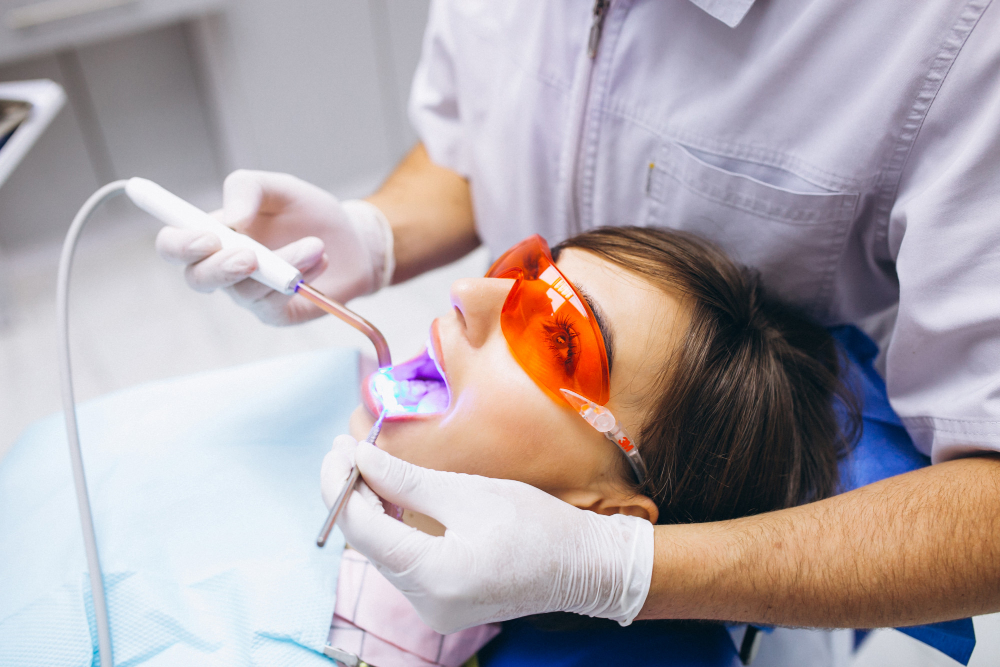
A Beginner’s Guide to Cosmetic Dentistry Treatments
A confident smile can make a real difference to how you feel in everyday life, from social occasions to professional settings. For many people, cosmetic dental treatment is not about creating an artificial or overly perfect smile. It is about improving the colour, shape, alignment or overall appearance of the teeth in a way that still looks natural.
If you are new to cosmetic dentistry, the range of treatments can feel a little confusing at first. Teeth whitening, veneers, bonding, aligners, crowns and smile makeovers are all commonly discussed, but they are not all designed for the same concerns. Understanding what each treatment can do helps you make a more informed decision before booking a consultation.
This beginner’s guide explains the most common cosmetic dentistry treatments, who they may be suitable for, and what to consider before starting.
What Is Cosmetic Dentistry?
Cosmetic dentistry focuses on improving the appearance of the teeth, gums and smile. While general dentistry is mainly concerned with oral health, prevention and treating dental problems, cosmetic treatments are designed to enhance the way your smile looks.
That said, cosmetic and general dentistry often overlap. For example, a damaged tooth may need to be restored for health reasons, but the final result can also be designed to look natural and attractive. A good cosmetic dentist will always consider the health, function and appearance of your teeth together.
People often explore cosmetic dentistry in Dubai because they want treatment that suits a modern lifestyle, with natural-looking results, advanced techniques and professional guidance tailored to their smile.
Teeth Whitening
Teeth whitening is one of the most popular entry-level cosmetic dental treatments. It is designed to lighten the shade of the teeth and reduce staining caused by coffee, tea, smoking, certain foods and natural ageing.
Professional whitening is different from over-the-counter whitening products. A dentist can assess whether your teeth and gums are suitable for whitening, recommend the right approach and monitor the process. This is important because not all discolouration responds in the same way. Surface stains often improve well, while deeper internal discolouration may require a different treatment plan.
Many people search for teeth whitening in Dubai when they want a brighter smile before a wedding, work event, holiday or important occasion. However, whitening is also suitable for people who simply feel their teeth look dull and want a fresher appearance.
It is worth knowing that whitening does not change the colour of fillings, crowns or veneers. If you have visible restorations, your dentist may need to plan whitening before replacing or matching them.
Dental Veneers
Veneers are thin custom-made shells that are placed over the front surface of the teeth. They are often used to improve the appearance of teeth that are chipped, worn, stained, slightly misaligned or uneven in shape.
Veneers can be made from porcelain or composite material. Porcelain veneers are known for their strength, stain resistance and natural appearance. Composite veneers are usually more affordable and can often be completed more quickly, although they may not last as long as porcelain.
Veneers are not suitable for everyone. If you grind your teeth heavily, have gum disease, weak enamel or untreated decay, those issues should be addressed first. A proper consultation is essential because veneers involve planning the shape, shade and proportions of the smile carefully.
The best veneer results usually look balanced rather than excessively white or oversized. The aim should be to create a smile that suits your face, age and natural features.
Composite Bonding
Composite bonding is a minimally invasive treatment used to repair small chips, close minor gaps, reshape uneven edges or improve slight discolouration. The dentist applies tooth-coloured resin to the tooth, shapes it carefully and hardens it using a special light.
One of the main advantages of bonding is that it usually requires little or no removal of natural tooth structure. It can often be completed in a single visit, making it a popular choice for subtle smile improvements.
However, composite bonding is not as strong or stain-resistant as porcelain. It may need polishing, repair or replacement over time, especially if you regularly drink staining beverages or bite on hard foods. It is best suited for smaller cosmetic changes rather than major smile transformations.
Clear Aligners
Clear aligners are used to straighten teeth discreetly. They are removable trays that gradually move the teeth into a better position over time. Many adults choose aligners because they are less noticeable than traditional braces and can be removed for eating, brushing and flossing.
Aligners can help with mild to moderate crowding, spacing and certain bite concerns. They may not be suitable for more complex orthodontic cases, where fixed braces or specialist orthodontic care may be more appropriate.
Straightening the teeth can improve more than appearance. Better alignment may also make the teeth easier to clean, which can support long-term gum and tooth health. Before starting aligners, your dentist will usually take scans, photographs or X-rays to check whether the treatment is suitable.
Dental Crowns
A dental crown is a custom-made cover that fits over a damaged, weakened or heavily restored tooth. Crowns are often used when a tooth has lost too much structure for a simple filling or bonding treatment.
Although crowns are often restorative, they can also have cosmetic benefits. A crown can improve the shape, strength and appearance of a tooth, especially if it is cracked, heavily filled or severely discoloured.
Crowns may be made from ceramic, porcelain, zirconia or other dental materials. The right option depends on the position of the tooth, bite pressure, appearance goals and clinical needs.
A crown usually requires some preparation of the natural tooth, so it is important that the treatment is carefully planned. Your dentist should explain why a crown is recommended and whether a more conservative option could work.
Gum Contouring
Sometimes the teeth are not the only factor affecting the smile. The shape and level of the gums can also influence how balanced the smile appears. Gum contouring may be used when the gumline is uneven or when a person feels they show too much gum when smiling.
This treatment involves carefully reshaping the gumline to create a more even appearance. In some cases, it may be combined with veneers, crowns or orthodontic treatment as part of a wider smile makeover.
Gum contouring should only be carried out after a full gum health assessment. If there is inflammation, gum disease or other underlying issues, these need to be treated first.
Smile Makeovers
A smile makeover is not one single treatment. It is a personalised plan that may combine several cosmetic and restorative treatments to improve the overall appearance of the smile.
For example, one person may need whitening and bonding, while another may need aligners, veneers and replacement crowns. The treatment plan depends on the condition of the teeth, the bite, the gums, facial features and the person’s goals.
A good smile makeover starts with a detailed consultation. This may include photographs, digital scans, X-rays and a discussion about what you like and dislike about your current smile. Some clinics may also provide digital smile previews or mock-ups so you can better understand the expected result before committing.
Choosing the Right Treatment
The right cosmetic dental treatment depends on what you want to change. If your main concern is colour, whitening may be enough. If your teeth are chipped or uneven, bonding or veneers may be suitable. If your teeth are crowded or spaced, clear aligners may be the better starting point.
It is also important to think about maintenance. Whitening may need topping up. Bonding may need polishing or repair. Veneers and crowns require good oral hygiene and regular dental check-ups. Aligners require commitment to wearing them as instructed.
Cost, treatment time, comfort and long-term durability should all be discussed before you decide.
Final Thoughts
Cosmetic dentistry can offer subtle improvements or more comprehensive smile transformations, depending on your needs. The best results usually come from careful planning, realistic expectations and a dentist who considers both appearance and oral health.
Before choosing a treatment, book a professional consultation and ask questions about suitability, alternatives, expected results, maintenance and long-term care. A well-planned cosmetic dental treatment should not only improve how your smile looks, but also help you feel more confident in a way that feels natural to you.







Add Your Directory With Us
Boost your visibility with our Business Directory

Add Your BCard With Us
Open the door to new professional connections.
DayOfDubai
Business Services
