
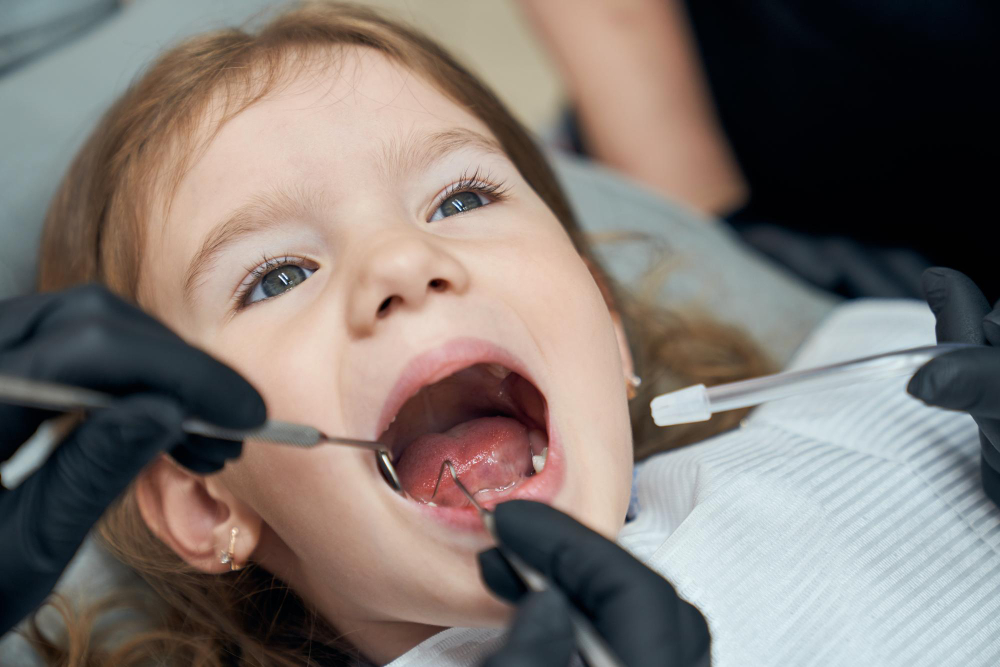
Do Baby Teeth Cavities Need Treatment? What Dubai Parents Should Know
Many parents assume that cavities in baby teeth are not a serious concern because those teeth will eventually fall out. It is a very common belief, especially when a cavity appears in a tooth that seems close to shedding naturally. However, untreated cavities in baby teeth can lead to pain, infection, difficulty eating, and even long-term dental problems that affect permanent teeth.
For families in Dubai, where children are often exposed to sugary snacks, juices, and busy lifestyles that can make oral care routines inconsistent, understanding the importance of early dental treatment is essential. Preventive pediatric dental care has become a growing focus for many parents in the UAE who want to protect their children’s oral health from an early age.
The short answer is yes, baby teeth cavities usually do need treatment. The type of treatment depends on the severity of the decay, the child’s age, and how close the tooth is to naturally falling out.
Why Baby Teeth Matter More Than Many Parents Think
Baby teeth, also known as primary teeth, play a major role in a child’s development. They are not simply temporary placeholders.
These teeth help children:
- Chew food properly
- Speak clearly
- Maintain space for permanent teeth
- Support healthy jaw development
- Build confidence when smiling and talking
When baby teeth become damaged by cavities or are lost too early, it can affect much more than appearance. Premature tooth loss may lead to spacing issues, crowding, and alignment problems later in life.
This is one reason pediatric dentists strongly encourage early treatment instead of waiting for the teeth to fall out naturally.
How Cavities Develop in Baby Teeth
Cavities form when bacteria in the mouth feed on sugars from food and drinks. These bacteria produce acids that weaken the enamel, eventually creating holes in the teeth.
Baby teeth are especially vulnerable because their enamel is thinner than adult teeth. This means decay can spread more quickly.
Frequent snacking, sugary drinks, bedtime bottles, and inconsistent brushing habits are among the most common causes of cavities in young children.
Dental health guidance from the World Health Organization on early childhood tooth decay and sugar exposure highlights that untreated decay in young children remains one of the most common chronic health conditions worldwide.
Common Signs of Cavities in Baby Teeth
Some cavities are easy to spot, while others may go unnoticed until they become more serious.
Parents should watch for signs such as:
- White, brown, or black spots on teeth
- Sensitivity to hot or cold foods
- Complaints of tooth pain
- Swelling around the gums
- Difficulty chewing
- Bad breath that does not improve
In some cases, children may avoid eating on one side of the mouth because of discomfort.
Early detection is important because cavities tend to progress quickly in baby teeth.
What Happens If Cavities Are Left Untreated?
Many parents delay treatment because the affected tooth is “just a baby tooth.” However, untreated cavities can create several problems.
Pain and Discomfort
As decay spreads deeper into the tooth, it can reach the nerve and cause pain. This discomfort may affect eating, sleeping, and daily activities.
Infection
Untreated decay can eventually lead to infection or abscess formation. In severe cases, swelling and fever may occur, requiring urgent dental care.
Difficulty Eating and Speaking
Painful teeth may make it difficult for children to chew properly or pronounce certain words clearly.
Damage to Permanent Teeth
Baby teeth help guide permanent teeth into the correct position. If a baby tooth is lost too early due to decay, nearby teeth may shift and block space needed for adult teeth.
This can increase the likelihood of orthodontic issues later.
Are Some Cavities More Serious Than Others?
Yes. Not every cavity requires the same type of treatment.
Small cavities caught early may only need simple fillings or preventive care. More advanced decay may require crowns, pulp treatment, or extraction if the tooth cannot be saved.
The location of the cavity also matters. Front teeth and molars serve different functions, and treatment decisions often depend on how important the tooth is for chewing and spacing.
This is why professional evaluation is important rather than assuming a cavity is harmless.
Why Early Treatment Is Better
Treating cavities early is usually simpler, faster, and less stressful for both the child and the parent.
Small cavities can often be managed with minimally invasive treatment. However, if treatment is delayed, the decay may spread deeper and require more complex procedures.
Early treatment also helps children avoid pain and reduces the risk of dental anxiety caused by emergency visits or severe discomfort.
For many Dubai parents balancing school schedules, activities, and busy routines, preventive care is often easier and less expensive than dealing with advanced dental problems later.
What Treatment Options Are Available?
The treatment depends on the severity of the cavity.
Fluoride Treatment
If decay is detected very early, fluoride treatment may help strengthen enamel and slow the progression of damage.
Dental Fillings
Small to moderate cavities are commonly treated with fillings to restore the tooth structure.
Crowns
For larger cavities, pediatric crowns may be recommended to protect the tooth and maintain function.
Pulp Treatment
If the decay reaches the nerve, treatment may be needed to remove infected tissue while preserving the tooth.
Tooth Extraction
In severe cases where the tooth cannot be saved, extraction may be necessary.
A pediatric dentist evaluates each case individually to determine the best option for the child.
How Pediatric Dentists Help Children Feel Comfortable
Many parents worry about how their child will react to dental treatment. Pediatric dentists are specifically trained to work with children and manage dental anxiety in a calm and supportive way. Child-friendly communication, gentle techniques, and positive reinforcement help create a more comfortable experience, and according to a children's dentist in Dubai, treating cavities in baby teeth early helps prevent pain, infection, and future complications while supporting healthy oral development during childhood.
The Role of Diet in Preventing Cavities
Diet plays a major role in cavity development. Frequent exposure to sugary foods and drinks increases acid production in the mouth, which weakens enamel.
Common cavity-causing habits include:
- Frequent juice consumption
- Sticky sweets and candies
- Bedtime milk or juice bottles
- Constant snacking throughout the day
Parents do not need to eliminate all treats, but reducing frequency and encouraging water instead of sugary drinks can significantly lower risk.
Oral health recommendations discussed in the NHS guidance on caring for children’s teeth and reducing sugar intake also emphasize limiting frequent sugar exposure as a key part of cavity prevention.
Why Regular Dental Checkups Matter
Routine dental visits help identify cavities before they become serious.
Regular checkups allow dentists to:
- Detect early signs of decay
- Monitor oral development
- Provide preventive treatments
- Educate parents about oral hygiene habits
For many families in Dubai, preventive dental care is becoming increasingly important as awareness around children’s oral health continues to grow.
Starting dental visits early also helps children become comfortable with the dental environment, reducing fear and anxiety over time.
How Parents Can Prevent Cavities at Home
Daily habits make a major difference in protecting baby teeth.
Parents can help prevent cavities by:
- Brushing twice daily with fluoride toothpaste
- Supervising brushing for younger children
- Limiting sugary snacks and drinks
- Encouraging water between meals
- Avoiding bedtime bottles with sweet liquids
- Scheduling regular dental checkups
Consistency is one of the most important factors in maintaining healthy teeth.
Are Cavities in Baby Teeth Ever Okay to Leave Untreated?
In some situations, a dentist may monitor a very small cavity in a tooth that is close to naturally falling out. However, this decision should only be made after professional evaluation.
Most cavities should not simply be ignored. Even if the tooth will eventually fall out, untreated decay can still cause pain, infection, and long-term complications.
Professional assessment is the safest approach.
Building Healthy Dental Habits Early
Childhood is the foundation for lifelong oral health. Children who learn healthy habits early are more likely to continue them as adults.
Positive dental experiences, good oral hygiene routines, and preventive care all contribute to healthier smiles in the future.
Parents play a major role in shaping these habits by encouraging consistency and making oral care part of the daily routine.






Add Your Directory With Us
Boost your visibility with our Business Directory

Add Your BCard With Us
Open the door to new professional connections.
DayOfDubai
Business Services
