
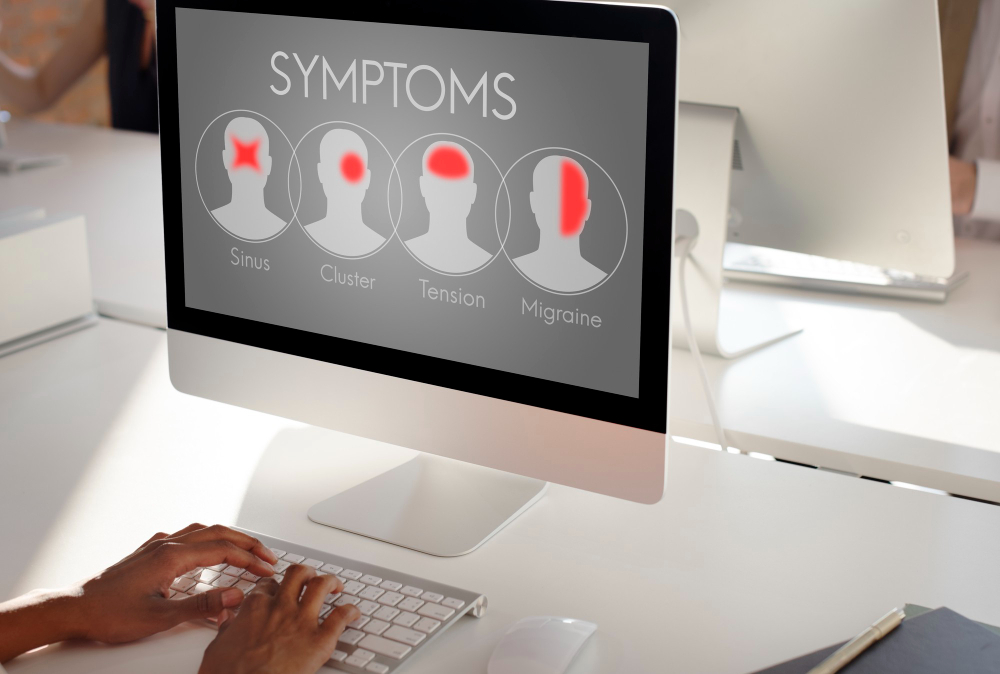
Pain Management in High-Performance Cities Like Dubai: Causes, Trends & Solutions for Chronic Pain
Introduction
Pain management in places like Dubai are undergoing a shift from treating injuries to addressing lifestyle-driven dysfunction. Many professionals experience persistent discomfort, tightness, fatigue, or recurring pain despite normal medical tests.
Chronic pain in Dubai is largely caused by a combination of sedentary work, high stress, reduced physical activity, and inadequate recovery due to the fast paced nature of the city. Effective pain management means addressing these root causes, not just masking symptoms.
This article breaks down:
- Why chronic pain is rising among Dubai professionals
- The underlying biological mechanisms
- And practical, science-backed solutions
Managing chronic pain is most effective when the approach is layered, addressing movement, structural balance, and recovery together rather than treating each in isolation.
What Is Chronic Pain and Why It's Increasing
Chronic pain is defined as pain lasting longer than three months, often without a clear structural injury. Acute pain is typically short-term and linked to a specific event like a fall, a strain, an overuse incident.
In high-performance environments like Dubai, it is increasingly linked to:
- Desk-based work and prolonged sitting
- High mental stress
- Poor movement patterns
- Inconsistent recovery
The Urban Pain Pattern
Professionals in Dubai often experience:
- Lower back discomfort
- Neck and shoulder stiffness
- Low energy and physical fatigue
This pattern is not random, it reflects how modern lifestyles affect the body over time.
Why Dubai's Lifestyle Leads to Pain
Sedentary Work Culture
Extended sitting leads to:
- Weak core and stabilizing muscles
- Tight hip flexors
- Reduced spinal support
Over time, this creates posture-related pain, particularly in the lower back and neck.
High-Performance Stress
Dubai’s fast-paced environment activates chronic stress responses.
From a neuroscience perspective, prolonged stress:
- Increases muscle tension
- Amplifies pain sensitivity
- Slows recovery
This is why pain often feels worse during busy or high-pressure periods.
Heat & Reduced Movement
For much of the year, outdoor activity is limited due to heat. This contributes to:
- Lower daily movement
- Reduced cardiovascular fitness
- Slower circulation
The result is gradual physical deconditioning.
The Expat Lifestyle
Many residents follow irregular routines due to:
- Work demands
- Travel schedules
- Social commitments
This disrupts:
- Sleep quality
- Exercise consistency
- Recovery cycles
How Chronic Pain Develops
Chronic pain in office workers and professionals typically follows a predictable sequence:
- Inactivity weakens stabilising muscles
- Compensating muscles overwork to pick up the slack
- Joint stress increases
- Inflammation and discomfort develop
Over time, this creates a feedback loop:
- Pain reduces movement
- Reduced movement worsens pain
This explains why many people feel “stuck” in chronic discomfort.
Common Types of Pain in Dubai Professionals
Lower Back Pain
Often linked to:
- Poor posture
- Weak core muscles
- Prolonged sitting
Neck & Shoulder Pain
Driven by:
- Screen-heavy work
- Forward head posture
- Stress tension
Sports & Training-Related Pain
Active individuals may experience:
- Overuse injuries
- Inadequate recovery
This relates to recovery physiology, the body’s ability to repair and adapt after stress.
What Actually Works for Pain Management
Effective pain management requires a structured, multi-layered approach.
Generally, effective pain management falls into four main categories:
- Pharmacological
- Physical
- Psychological
- Interventional.
Pain control often involves a combination of these approaches to address both chronic and acute pain in a way that supports overall well-being.
Address the Root Cause
Painkillers and temporary fixes:
- Mask symptoms
- Do not correct dysfunction
Instead, focus on:
- Movement quality
- Muscle balance
- Joint alignment
Restore Functional Movement
This includes:
- Mobility training
- Core strengthening
- Postural correction
One advanced approach used in modern clinics is Spiral Stabilization Therapy, which helps:
- Decompress the spine
- Activate deep stabilizing muscles
- Improve movement efficiency
Regulate the Nervous System
Pain is not just physical, it is also neurological.
Chronic stress can lead to central sensitization, where the body becomes more sensitive to pain.
Helpful strategies:
- Breathwork
- Mindfulness practices
- Controlled relaxation techniques
Prioritise Recovery
Recovery is often overlooked in busy lifestyles.
Effective methods include:
- Cold Plunge Therapy
- Stretching and mobility sessions
- Sleep optimization
These improve:
- Circulation
- Inflammation control
- Muscle repair
Shift to Preventive Care
There is a growing emphasis on Preventive Care UAE, which focuses on:
- Early detection of dysfunction
- Consistent movement practices
- Long-term resilience
This approach prevents pain before it becomes chronic.
When Pain Needs Medical Input
It is worth acknowledging that some pain conditions require medical assessment, particularly if symptoms are severe, sudden in onset, or accompanied by neurological changes. In those cases, consulting a physician is always the right first step.
For the vast majority of chronic pain presentations that professionals in Dubai experience, the kind rooted in:
- sedentary work
- postural strain
- accumulated stress
- inadequate recovery
hands-on intervention and structured movement work can produce meaningful, lasting results without medication. Rather than managing symptoms from the outside, the focus is on restoring the body's own capacity to move, recover, and function well.
When Tests Show Nothing
Many professionals are told 'everything looks normal' after scans, and this is both frustrating and, from a functional perspective, entirely plausible. Scans detect structural damage.
Chronic pain is often functional, meaning that muscles, fascia, and nerves are affected without any visible injury appearing on imaging.
Understanding this distinction is key to choosing the right approach.
Finding the Right Support in Dubai
Finding the right support for chronic pain is not about finding the biggest clinic or the longest list of treatments.
It is about finding practitioners who take the time to understand what is actually going on, structurally, functionally, and in the context of your daily life.
Every session begins with a thorough assessment. The focus is on identifying the underlying cause of your discomfort, not just addressing the location of the pain.
From there, a tailored approach is built around modalities like Manual Therapy, Spiral Stabilization, Myofascial Release, and Cold Plunge Therapy, depending on what your body needs most.
With the right support, most people experiencing persistent back pain, neck tension, or post-activity soreness find meaningful, lasting improvement, not because the pain was suppressed, but because the body was given the conditions to heal.
FAQs
Why is chronic pain common in Dubai?
Because of sedentary work, high stress levels, and limited daily movement due to lifestyle and climate.
How can I manage chronic pain while working a desk job in Dubai?
Improve posture, take movement breaks, strengthen core muscles, and manage stress effectively.
What is the best pain management approach?
A combination of movement correction, stress regulation, and recovery, not just medication.
Is chronic pain reversible?
In many cases, yes, especially when addressed early with targeted lifestyle and therapy interventions.
What causes back pain in office workers?
Weak core muscles, poor posture, prolonged sitting, and lack of movement.
Does stress increase pain?
Yes. Stress increases muscle tension and amplifies how the brain perceives pain.
Are recovery therapies effective?
They can significantly support recovery and reduce inflammation when used correctly.
Why do scans not show the cause of pain?
Because many chronic pain conditions are functional rather than structural.
Conclusion
Chronic pain in Dubai reflects the realities of a high-performance, sedentary lifestyle not isolated physical issues.
The combination of:
- Prolonged sitting
- Chronic stress
- Insufficient recovery
creates a pattern where discomfort becomes persistent unless addressed proactively.
The good news is that most of the contributing factors are changeable. Movement quality can be restored. Structural tension can be released. Recovery can be built back into the routine.
And when that work is done properly, the body has a remarkable ability to find its way back to function.








Add Your Directory With Us
Boost your visibility with our Business Directory

Add Your BCard With Us
Open the door to new professional connections.
DayOfDubai
Business Services
