
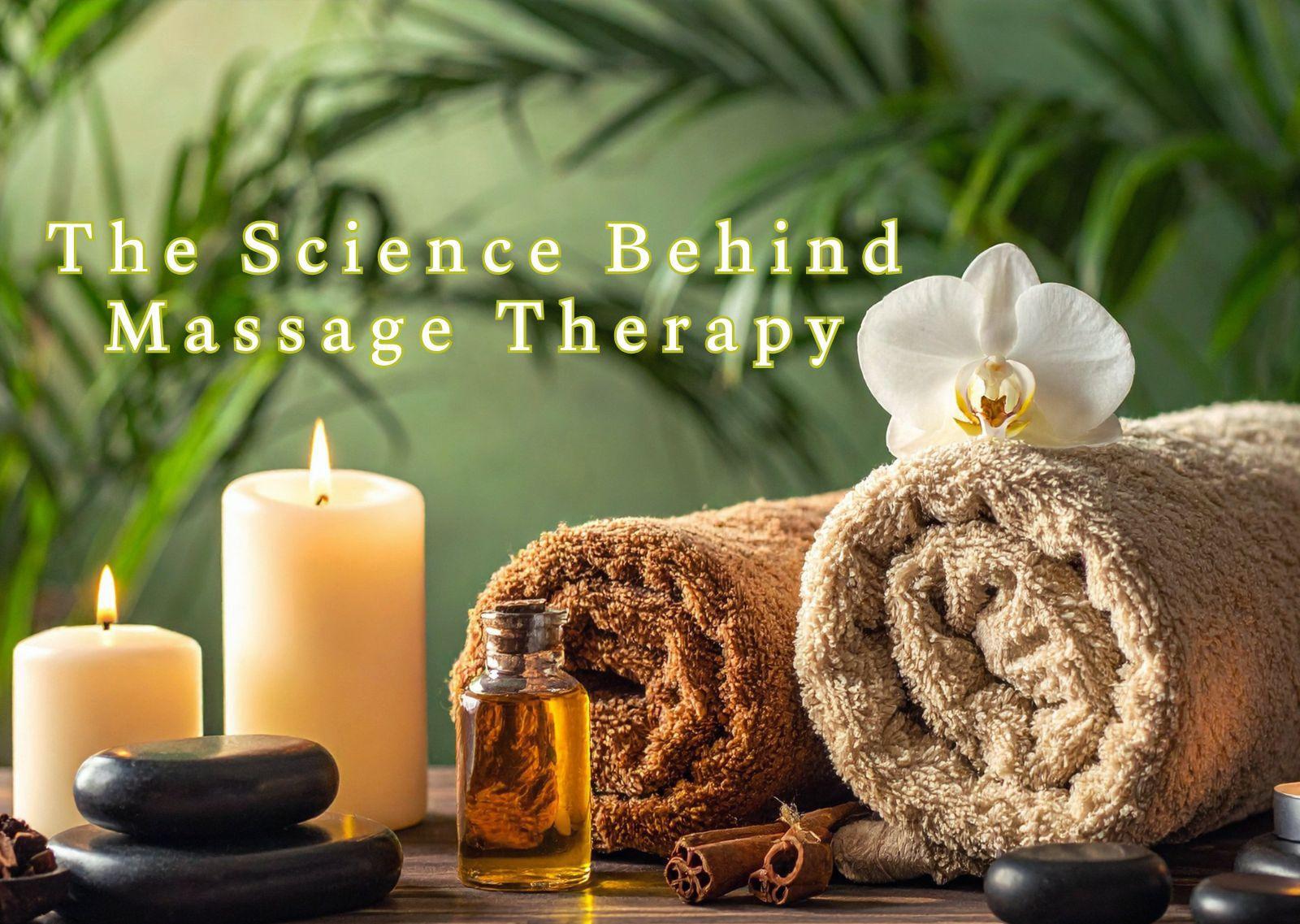
The Science Behind Massage Therapy: How It Supports Stress Relief and Better Sleep
Most people in Dubai are not short on ambition. They are short on recovery.
Fifty-hour work weeks, summer heat that makes stepping outside feel like a punishment, commutes on Sheikh Zayed Road that add an hour to an already long day — and then lying awake at night, exhausted but unable to switch off. The body is still running. The mind is still processing. Sleep, when it finally comes, does not feel like enough.
Massage therapy is one of the most research-supported ways to break this cycle. Not because it is luxurious, but because it works on a physiological level that willpower, sleep apps, and herbal teas simply cannot reach. Here is exactly how it works — and how to make it work for you.
Why Your Body Gets Stuck in Stress Mode
When you experience pressure — a deadline, a difficult meeting, a traffic jam on the way home — your body releases cortisol and adrenaline. Heart rate rises. Muscles brace. Digestion slows. This is the sympathetic nervous system doing its job.
The problem is that in a city like Dubai, this response rarely gets to finish. The threat ends but the body does not reset. Cortisol stays elevated. The muscles stay braced. And over weeks and months, this becomes the default state — a body running on alert with no clear reason and no clear off-switch.
Think of your nervous system not as an on/off switch but as a dimmer that should move up and down throughout the day. For most urban professionals, that dimmer gets stuck near the top. Sleep suffers. Immunity dips. Mood flattens. None of it feels dramatic enough to address — until it does.
The Process: What Actually Happens When You Get a Massage
This is where most articles stop at "massage reduces stress" without explaining why. Here is the actual sequence.
Step 1: Contact a professional
The first decision is finding someone qualified. For Dubai residents, the most practical option is booking a professional home massage Dubai therapist who comes directly to your home or apartment. No commute. No parking. No sitting in a waiting room still mentally at work.
When you book, communicate your primary concern — tension in a specific area, difficulty sleeping, or general stress. A good therapist uses this to shape the session before they arrive.
Step 2: The session begins — muscle warming and surface release
The therapist starts with effleurage: long, slow strokes across the back, shoulders, and neck at approximately 3–5 centimetres per second. This speed is not arbitrary. The skin contains nerve fibres — C-tactile afferents — that respond specifically to this pace of touch, sending signals to the brain that begin shifting the nervous system from sympathetic (alert) to parasympathetic (calm).
Within five to ten minutes, most people notice their breathing slowing without trying. Shoulders drop. The jaw unclenches. This is the nervous system responding to a signal it is hardwired to receive.
Step 3: Deeper work — releasing what the muscle has been holding
Once the surface tissue is warm and the nervous system has begun to settle, the therapist moves into deeper work. This is where the structural changes happen.
Chronically tense muscles — particularly the upper trapezius across the top of the shoulders, the suboccipital muscles at the base of the skull, and the muscles running alongside the spine — accumulate waste products like lactate and inflammatory cytokines. Sustained pressure stimulates circulation in the underlying capillary beds, clearing this buildup and allowing the tissue to soften.
The surrounding fascia — the connective tissue encasing each muscle — also responds. Under slow, sustained pressure, it shifts from a dense, gel-like state to a more fluid one. Tissue that felt like wood begins to move more freely. And crucially, the stream of distress signals that tight tissue was sending up the spinal cord to the brain begins to quiet.
Step 4: The neurochemical shift
As the session progresses, the body's chemistry changes measurably. Research from the Touch Research Institute at the University of Miami found that a single 45-minute massage session reduces cortisol levels by an average of 31 percent and increases serotonin and dopamine by approximately 28 and 31 percent respectively.
Serotonin is a precursor to melatonin — the hormone that controls your sleep-wake cycle. When serotonin rises and cortisol falls within the same session, the body is being chemically prepared for sleep. This is not a sedative effect. It is a rebalancing of systems that stress has pulled out of alignment.
Step 5: After the session — what to do and what to expect
Most people feel calm, slightly heavy, and thirsty after a massage. Drink water. The increase in circulation increases fluid movement through the tissue.
Avoid your phone for at least 30 minutes after the session ends. The calm you feel is a real neurochemical state. Re-engaging with notifications immediately interrupts it before it consolidates.
Sleep that night is usually noticeably better. If you had deeper tissue work, some mild muscle soreness the following morning is normal and resolves within 24 hours.
How to Build This Into Your Routine
A single session is useful. A regular practice is transformative. The difference is cumulative.
Weekly sessions produce the strongest, most consistent results. The acute effects — the cortisol drop, the serotonin rise — begin to reverse within 72 to 96 hours. Weekly sessions maintain the benefit and, over time, lower your baseline cortisol, reduce how quickly tension re-accumulates, and improve your body's ability to shift into the parasympathetic state on its own.
Twice monthly is a realistic starting point if weekly feels like too much. It produces meaningful improvement over nothing and gives you enough data to observe how your body responds between sessions.
Session length: 45 minutes is the minimum for measurable stress and sleep benefit. 60 minutes allows the nervous system to fully downshift.
Timing matters. Late afternoon or early evening sessions — between 5pm and 8pm — align with the window when cortisol naturally begins to decline. A massage during this period accelerates that decline, making the transition into sleep smoother and the early, most restorative sleep cycles more complete.
For Dubai residents who want consistency without the friction of travelling across the city after a long day, a reliable home massage service Dubai brings the therapist to you at whatever hour fits your schedule — making it far easier to maintain the weekly rhythm that actually produces results.
Who Gets the Most From This
Office workers and desk-based professionals accumulate postural strain in the neck, upper back, and hip flexors over years. This is structural, not just uncomfortable. Weekly massage directly addresses the tissue mechanics that no amount of stretching fully resolves.
Parents of young children carry both physical load — lifting, carrying, poor sleep — and psychological depletion that makes genuine rest difficult even when the opportunity exists. Massage addresses both.
Frequent travellers deal with disrupted circadian rhythms and the compressive effects of long-haul flights. A session within 24 hours of landing meaningfully accelerates recovery.
People with poor sleep or mild anxiety who have not responded fully to other approaches — or who prefer not to rely on medication — have one of the strongest evidence bases for benefit from regular massage.
What to Expect in the First Month
The first session often produces less relaxation than subsequent ones. The body is not yet conditioned to the experience. If the pressure was too intense, the nervous system activates rather than calms. This is common and correctable — communicate with your therapist.
By sessions two and three, the shift into calm happens faster and goes deeper. By weeks three and four of weekly sessions, most people report that the benefit extends further into the days that follow — sleep improves on non-massage nights, tension returns more slowly, and the baseline stress level begins to lower noticeably.
Keep a simple record for the first month: sleep quality the night of the massage, mood in the following 24 hours, and how quickly the tension returns. Patterns become visible quickly and are usually motivating.
Frequently Asked Questions
How long before I notice a difference in my sleep?
Most people notice something within the first two or three sessions — falling asleep faster, waking less, feeling more rested. The durable improvement, where sleep quality remains elevated between sessions, typically emerges after four to six weeks of weekly practice.
Which type of massage is best for stress and sleep?
Swedish massage — slow effleurage strokes, medium pressure, full-body coverage — is the most studied and most directly linked to parasympathetic activation and cortisol reduction. For stress and sleep as primary goals, this is the most reliable starting point. Deep tissue work has its place for structural issues but can cause post-session soreness that temporarily disrupts sleep.
Is weekly massage safe long-term?
For most healthy adults, yes. The main contraindications — active inflammatory conditions, certain cardiovascular conditions, first trimester of pregnancy, skin infections — are worth checking with a doctor if applicable. For the majority of people, once-weekly moderate-pressure massage poses no risk and produces consistent cumulative benefit.
I tried it once and didn't find it relaxing. Should I try again?
Yes, with adjustments. A first session in an unfamiliar environment, or with pressure that was too intense, often activates rather than calms. Try a lighter-pressure Swedish session and give it three consistent appointments before drawing conclusions. The response improves significantly as the body learns to expect and respond to the experience.






Add Your Directory With Us
Boost your visibility with our Business Directory

Add Your BCard With Us
Open the door to new professional connections.
DayOfDubai
Business Services
