



For years, the beauty world seemed obsessed with transformation. Sharper cheekbones. Fuller lips. Smoother foreheads. Every season came with a new aesthetic trend, and social media turned cosmetic treatments into something closer to fashion than medicine. But quietly, and almost without announcing itself, the conversation has started to change.
More women are walking into aesthetic clinics asking for less.
Not less care. Not less interest in beauty. Just less obvious intervention.
The Shift Away from Sameness
The shift has been gradual, but once you notice it, it's difficult to ignore. The heavily filled face that once signalled glamour and status has started to feel strangely dated. Beauty trends move the same way fashion trends do. What once looked aspirational eventually becomes overdone, and then suddenly everyone begins searching for the opposite.
A few years ago, dramatic contouring and exaggerated volume dominated social media feeds. Lips became larger. Cheekbones became sharper. Foreheads became smoother and smoother until facial expression itself started disappearing. The look spread quickly because it photographed well online. In filtered selfies and heavily edited videos, more treatment often looked better.
Real life, however, is less forgiving than Instagram.
People started noticing the sameness. The same lip shape repeated over and over again. The same exaggerated mid-face volume. The same frozen expression. What once looked luxurious slowly started looking formulaic.
A More Informed Patient
Today's aesthetic patient is far more informed than patients were even five years ago. Many arrive at consultations already understanding the basics of filler migration, skin quality, collagen loss, and facial balance. They've watched filler dissolving videos online. They've read long discussions about overfilled results. Some have spent years following before-and-after accounts closely enough to develop a surprisingly sharp eye for what looks natural and what doesn't.
The conversations happening inside clinics now feel very different from a few years ago.
Patients are asking more questions now. They want to know how treatments age over time. They ask what happens after years of repeated filler. They want realistic answers instead of sales pitches. And increasingly, they want treatments that preserve their appearance rather than dramatically change it.
For many women, the goal has shifted from transformation to maintenance.
That change is especially noticeable among younger patients. Women in their twenties are often much more cautious about injectables than people expect. Many grew up watching influencers, celebrities, or even older friends overdo cosmetic procedures. They've already seen what happens when trends are pushed too far. Instead of asking how much filler they can add, some are now asking whether they should start at all.
Skin Quality Over Volume
What's replacing the old "more is better" mentality is something softer and more restrained. Skin quality has become more important than aggressive contouring. Texture matters more than exaggerated volume. Looking rested matters more than looking dramatically different.
That's part of the reason treatments centred around skin health have become increasingly popular. Regenerative treatments, microneedling, skin boosters, collagen-supporting procedures, and other skin-focused approaches are gaining attention because they aim to improve the quality of the skin itself instead of simply masking changes with volume.
It's easy to see why.
Healthy skin changes the entire face. Good texture, hydration, elasticity, and brightness often create a fresher appearance without needing dramatic structural changes.
Climate also plays a bigger role than many people realise, particularly in the Gulf. In cities like Dubai and Abu Dhabi, constant sun exposure, intense heat, and heavy air conditioning can leave skin dehydrated and dull over time. Many patients who initially assumed filler was the solution for looking tired eventually discover that skin quality was the bigger issue all along. Once the skin improves, the perceived need for volume often becomes much smaller.
The Harder Conversation
Of course, the aesthetics industry itself hasn't always adapted easily to this shift. Cosmetic medicine remains a business, and businesses naturally benefit from doing more procedures, not fewer. Saying no to a patient, or recommending restraint instead of another syringe, requires confidence, especially in highly competitive markets.
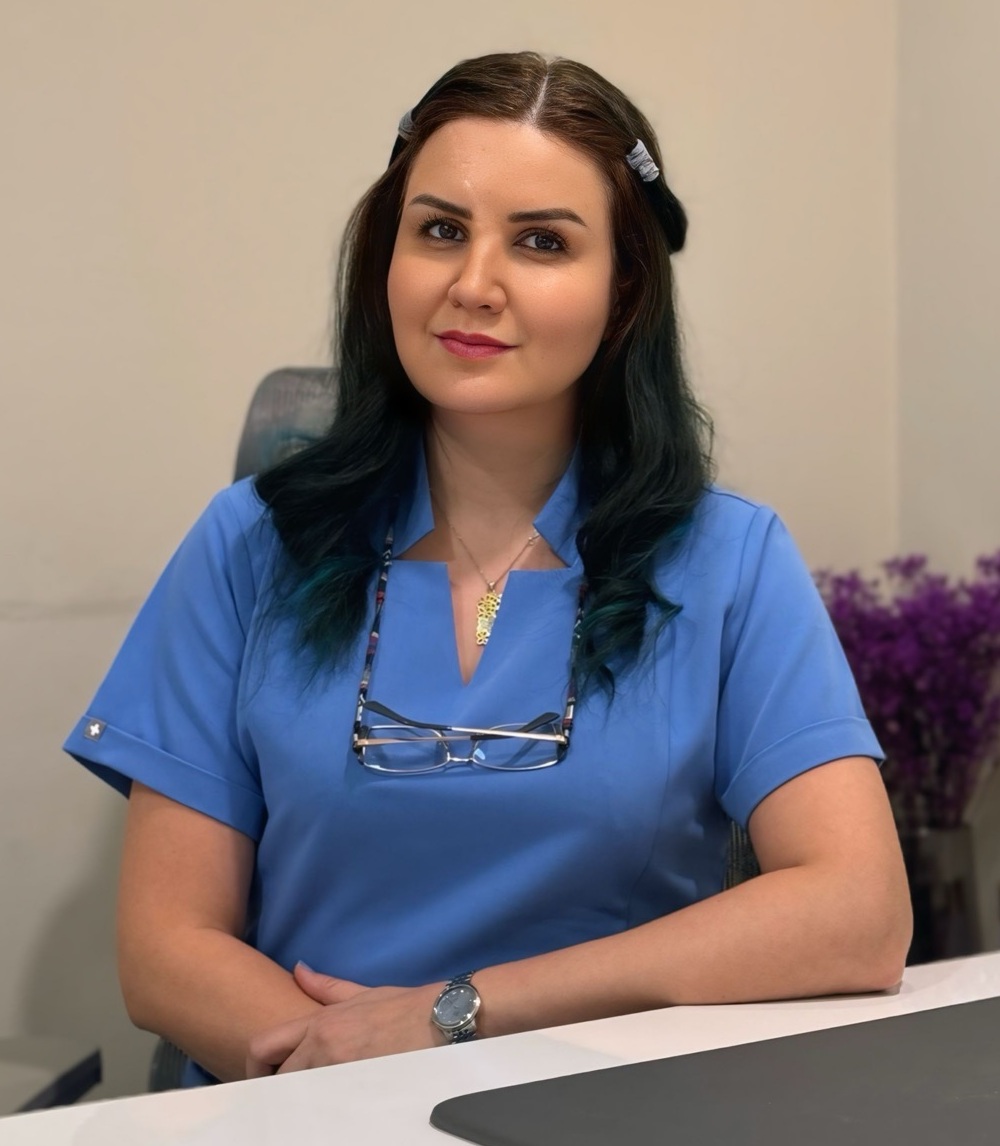
That tension is something Dr. Azra Vaziri, an aesthetic physician practising between Dubai and Abu Dhabi, sees regularly in her clinic.
"A lot of patients come in asking for one thing, but what they really want is something else entirely," she says. "Sometimes they think they need more filler, when the real issue is skin quality, dehydration, or changes in facial support over time. The goal shouldn't be to chase trends. It should be to keep the face looking balanced and believable."
That kind of approach often means understanding when not to add more treatment. In some cases, patients who feel overfilled or notice heaviness and migration may benefit more from filler dissolving with hyaluronidase than additional injections. What once would have been seen as reversing cosmetic work is increasingly viewed as part of a more thoughtful, long-term aesthetic plan.
Preservation Over Transformation
And perhaps that's the biggest difference between the old beauty mindset and the one emerging now. The older approach focused heavily on correction and enhancement. The newer one feels more focused on preservation, less about creating a different face and more about staying connected to your own.
Of course, maximalist aesthetics haven't disappeared. In many markets, including parts of the Gulf, dramatic results remain popular and sought after. The shift toward subtlety isn't universal, and it doesn't need to be. What's changed is that restraint is now treated as a legitimate aesthetic choice rather than simply doing less.
Social media still rewards dramatic transformation because dramatic images capture attention quickly. But in everyday life, the treatments people tend to admire most are usually the subtle ones. The face that simply looks healthy. Rested. Balanced. Familiar.
The best aesthetic work often disappears into the person rather than standing apart from them.
Beauty trends will continue changing. They always do. But the direction things seem to be moving now feels noticeably more restrained, more thoughtful, and perhaps a little more mature than before.
And honestly, that may be the most timeless beauty standard there is. Still looking like yourself, just a little more rested along the way.











Comments
0 commentsNo comments yet. Be the first to share your thoughts!