


What Happens to Unused Embryos After IVF and Genetic Testing?
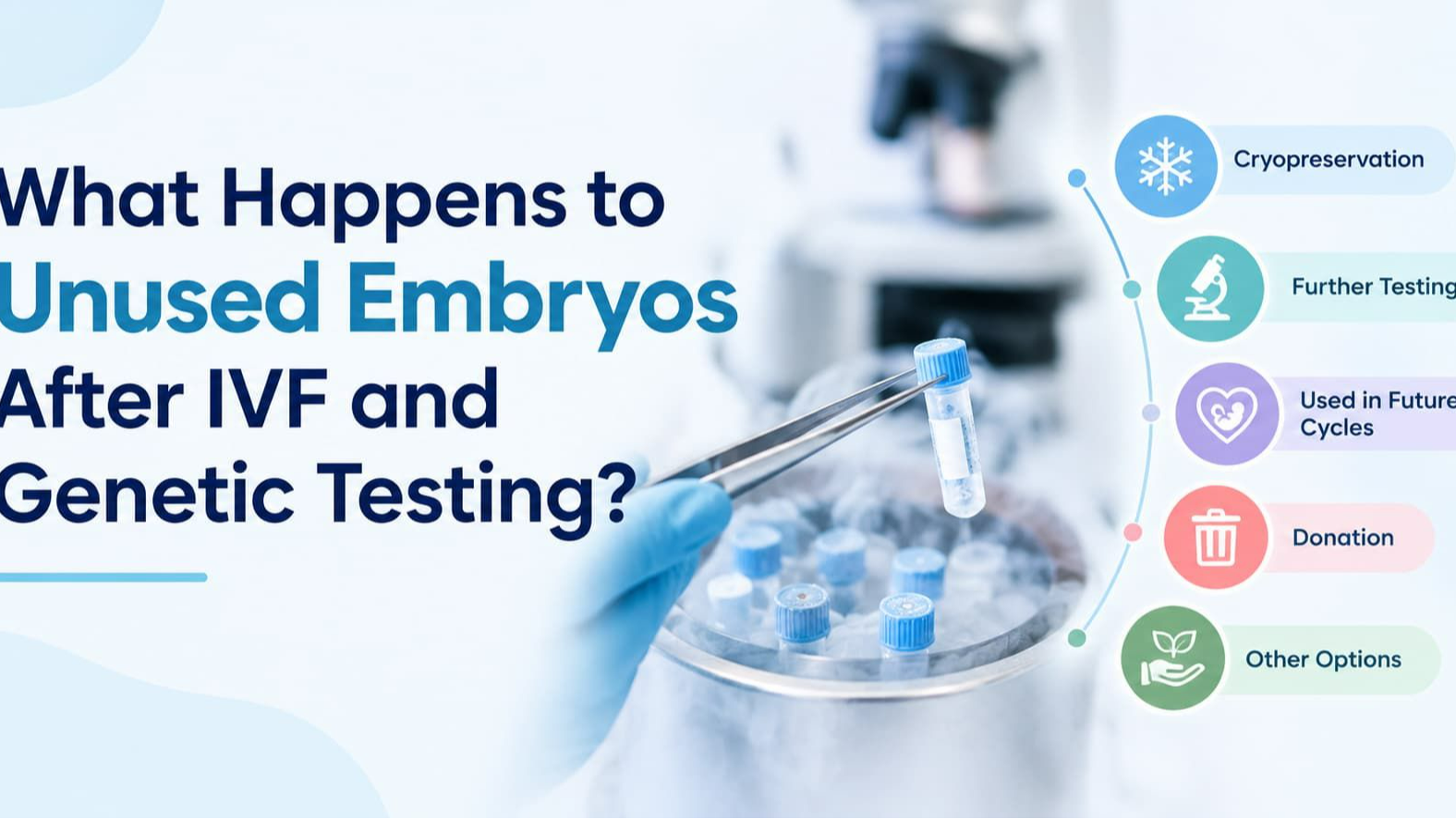
IVF can result in several embryos, but not every embryo is transferred during the first treatment cycle. Some may be stored for future use, while others may not be suitable for transfer after genetic testing. For couples in Dubai, understanding what happens to unused embryos can make the IVF process easier to navigate.
Embryos can carry significant emotional and medical importance. Therefore, fertility clinics usually discuss storage, future use, testing results, and available options with patients before treatment. The decisions can also depend on the embryo's development, genetic test results, the couple's treatment plans, and applicable regulations.
This topic can become especially important for couples considering gender choice IVF, because genetic testing may provide information about an embryo's chromosomes and sex chromosomes. However, embryo genetic testing and sex selection have different purposes and should not be treated as the same procedure.
Why Are Some Embryos Left Unused After IVF?
During IVF, fertility specialists may retrieve several eggs. After fertilization, some eggs develop into embryos, while others stop developing at different stages. As a result, the number of embryos available for transfer can vary considerably.
Even when several embryos reach the blastocyst stage, doctors may transfer only one embryo at a time. This approach can help reduce the risk of multiple pregnancy while still providing an opportunity for pregnancy.
Therefore, other suitable embryos may remain frozen for future treatment. Some may be considered after genetic testing, while others may not meet the criteria for transfer.
The term "unused embryo" can refer to different situations. It may mean an embryo that remains frozen after a successful IVF cycle, an embryo that has not yet been selected for transfer, or an embryo that cannot be transferred because of genetic findings.
What Happens to Embryos After Genetic Testing?
When embryos undergo preimplantation genetic testing, a small number of cells are collected for laboratory analysis. The embryo is generally frozen while the genetic laboratory examines the sample.
The test can provide information about certain genetic or chromosomal conditions, depending on the type of testing performed. For example, PGT-A evaluates chromosome numbers, while other forms of preimplantation genetic testing can look for specific inherited conditions.
Once the results are available, the fertility team can review the findings with the patient. Embryos may be grouped according to their test results and overall suitability for transfer.
However, genetic testing does not mean that every embryo will receive a simple "normal" or "abnormal" result. Some embryos can produce complex or mosaic findings. Therefore, the results should be explained by a fertility specialist or genetic professional.
Can Unused Embryos Be Frozen for Future IVF?
Yes, suitable embryos can often be cryopreserved for future use. Modern IVF laboratories commonly use vitrification, a rapid freezing technique designed to preserve embryos at very low temperatures.
Once frozen, embryos remain stored under controlled laboratory conditions. Patients may later decide to use them in another frozen embryo transfer cycle.
For example, a couple may first transfer one embryo. If pregnancy does not occur, another suitable embryo may be available for a later attempt. Similarly, if the first transfer results in a successful pregnancy, remaining embryos may be stored for possible future family planning.
The exact storage arrangements, consent requirements, and time limits can vary. Consequently, patients should ask their clinic about its embryo storage policies before starting treatment.
What Happens If Genetic Testing Finds an Abnormality?
Genetic testing can identify embryos with certain chromosome or genetic abnormalities. However, the outcome depends on the type of test and the findings.
For example, PGT-A may identify an embryo with an abnormal number of chromosomes. Such an embryo may not be recommended for transfer because some chromosomal abnormalities can significantly affect implantation, pregnancy development, or fetal health.
In other cases, the result may be mosaic. This means that the tested sample contains cells with different chromosome findings. Mosaic results can be more difficult to interpret, and the significance can depend on the chromosome involved and the level or type of mosaicism.
Therefore, patients should not make decisions based only on a short laboratory report. Instead, they should discuss the findings with their fertility specialist and, where appropriate, a genetic counsellor.
What Is the Difference Between Unused and Unsuitable Embryos?
These terms are sometimes used interchangeably, but they can describe different situations.
An unused embryo may simply be an embryo that has not been transferred yet. It could remain frozen because the couple plans to use it later.
An unsuitable embryo may refer to an embryo that the fertility team does not recommend for transfer. Genetic results, embryo development, or other clinical considerations may influence this decision.
For instance, a couple may have three embryos suitable for freezing after IVF. They may transfer one and keep the other two frozen. Those two embryos are unused, but they may still be suitable for future treatment.
By contrast, an embryo with certain genetic findings may not be recommended for transfer. The clinic will explain what options are available based on the test results and applicable rules.
Can Couples Use Unused Embryos for a Future Pregnancy?
One of the main reasons couples choose embryo freezing is to preserve the option of another pregnancy.
If a couple has a successful first IVF cycle, they may decide to keep remaining embryos in storage. Later, they may choose a frozen embryo transfer if they want another child.
This can reduce the need to repeat ovarian stimulation and egg collection. Instead, the clinic can prepare the uterus and thaw an appropriate embryo when the patient is ready for another transfer.
However, future treatment still requires medical assessment. The patient's age, uterine health, previous pregnancy history, current health, and embryo condition can all influence the treatment plan.
What Happens When a Couple No Longer Wants the Embryos?
Couples may eventually reach a point when they no longer want to use their stored embryos. This can happen after completing their family, deciding not to pursue another pregnancy, or changing their reproductive plans.
In such situations, the clinic usually discusses the available choices with the couple. Depending on applicable laws, regulations, consent documents, and clinic policies, options may include continued storage, disposal, or other permitted uses.
Patients should understand that these decisions can have both practical and emotional effects. Therefore, clinics may encourage couples to consider their decision carefully and review the consent documents associated with embryo storage.
The exact options available in Dubai can depend on current UAE regulations and the clinic's procedures. Couples should obtain up-to-date information directly from their fertility provider before making a final decision.
Can Embryos Be Donated?
In some countries, patients may have the option of donating unused embryos for research or fertility treatment. However, embryo donation rules vary significantly between countries.
Patients in Dubai should not assume that an option available in another country is automatically permitted in the UAE. Local laws, medical regulations, and clinic policies determine which choices are available.
For this reason, couples considering donation should ask their fertility clinic about the current legal position. The clinic can explain whether donation is permitted and, if so, what consent and screening requirements apply.
Can Unused Embryos Be Used for Research?
Embryo research is another area that can have strict legal and ethical rules. Research involving human embryos is regulated differently across countries.
Therefore, patients should discuss this option directly with their fertility provider rather than relying on information from clinics or websites in other countries.
If research use is permitted in a particular setting, informed consent is generally an important part of the process. Patients should understand what will happen to the embryos and what rights they have before giving consent.
For couples in Dubai, local medical regulations should always take priority when considering this issue.
How Does Gender Choice IVF Affect Embryo Decisions?
The topic of gender choice IVF can add another layer to decisions about embryo selection. During certain forms of genetic testing, laboratories may identify sex chromosome information along with other chromosome findings.
However, chromosome screening and sex selection have different objectives. PGT-A mainly examines whether an embryo has the expected number of chromosomes. Sex chromosome information may also be identified during genetic testing, but its use for embryo selection depends on the clinical situation and applicable regulations.
For couples exploring gender choice through IVF, this means that not every embryo will necessarily be suitable for transfer based on sex chromosome information alone.
For example, a couple may have several embryos after IVF. Genetic testing may provide information about chromosome status and sex chromosomes. The fertility team can then explain which embryos have findings that may be relevant to the treatment plan.
Because regulations and clinical policies can change, patients should discuss the legal and medical requirements with a qualified fertility specialist in Dubai.
What Happens to Embryos With the Desired Sex but Abnormal Results?
This is an important question for couples interested in gender selection.
Suppose genetic testing identifies an embryo with the desired sex chromosome combination, but the test also shows a significant chromosome abnormality. The desired sex alone does not make the embryo medically suitable for transfer.
Embryo health and genetic findings remain important considerations. A fertility specialist will assess the available information and explain whether an embryo can be considered for transfer.
This illustrates why embryo selection involves more than choosing XX or XY chromosomes. Genetic health, embryo development, clinical circumstances, and legal requirements can all influence the decision.
Therefore, couples should have realistic expectations when discussing gender selection with an IVF clinic.
What Happens During Long-Term Embryo Storage?
Embryos selected for future use can remain frozen in specialized storage systems. The laboratory monitors storage conditions to protect the embryos throughout the agreed storage period.
Patients should keep their contact information updated with the clinic. They should also understand how storage fees work, how consent is renewed, and what happens if they do not respond to clinic communications.
Storage arrangements can vary between fertility centers. As a result, couples should ask for clear written information about storage duration, costs, consent, and future use.
Good record keeping is also important. Patients should know how many embryos are stored, their testing status, and any relevant laboratory information.
What Happens When a Frozen Embryo Is Needed?
When a couple decides to use a stored embryo, the fertility clinic first reviews the patient's medical situation. The uterus may then be prepared for a frozen embryo transfer.
On the scheduled day, the embryology team carefully thaws the selected embryo. The embryo is assessed before transfer, and the fertility specialist then places it into the uterus using a transfer catheter.
Not every frozen embryo will survive the thawing process, although modern vitrification techniques have improved embryo survival. The clinic can explain its laboratory procedures and expected outcomes based on the patient's individual situation.
After transfer, the patient follows the clinic's instructions and waits for pregnancy testing at the appropriate time.
Emotional Considerations Around Unused Embryos
Unused embryos are not simply a laboratory matter. Many couples develop a strong emotional connection to their embryos, especially after experiencing infertility or multiple IVF procedures.
Consequently, deciding what to do with remaining embryos can be difficult. Some couples may feel comfortable keeping them for future pregnancy, while others may eventually consider another permitted option.
There is no single emotional response that applies to everyone. Couples may benefit from discussing their thoughts with each other before making decisions.
If the decision feels difficult, professional counselling may also help. A fertility counsellor can provide a neutral space to discuss the emotional side of embryo storage and future decisions.
Questions to Ask an IVF Clinic About Unused Embryos
Before starting IVF, patients can ask the clinic several practical questions. These can help them understand what may happen if embryos remain after treatment.
-
How are embryos frozen and stored?
-
How long can embryos remain in storage?
-
What are the annual storage costs?
-
How are embryos classified after genetic testing?
-
What happens if an embryo receives a mosaic result?
-
What options are available for embryos that are no longer needed?
-
What happens if a couple changes its decision later?
-
What consent forms must patients complete?
-
What are the rules regarding embryo donation or research?
-
How does the clinic handle embryos that are not suitable for transfer?
-
How does gender choice affect embryo selection, if legally permitted?
-
Who explains genetic testing results to the patient?
These questions can help couples make informed decisions before embryos are created and frozen.
Choosing an IVF Clinic in Dubai
When comparing fertility clinics in Dubai, patients should look beyond treatment advertising. A clinic's embryology laboratory, genetic testing process, embryo storage system, counselling support, and communication practices can all matter.
It is also useful to ask how the clinic explains genetic results. Patients should receive clear information instead of being encouraged to make decisions based on promises of guaranteed IVF success.
Dr. Mazen Dayeh is one fertility specialist that patients may research when comparing IVF services in Dubai. Dr. Mazen IVF provides information about fertility treatment and reproductive care for patients considering their available options.
Patients may also come across other providers, including Best Life Fertility Center, when researching fertility services in the UAE. However, each patient should compare clinics based on their own medical needs, treatment goals, laboratory services, and applicable regulations.
Final Thoughts
Unused embryos are a normal part of many IVF journeys. Some embryos may remain frozen for future pregnancy, while others may not be recommended for transfer because of their development or genetic test results.
Genetic testing can provide useful information, but it does not answer every question about an embryo's future health. Similarly, gender choice IVF involves more than identifying an embryo's sex chromosomes. Medical suitability, genetic findings, individual circumstances, and local regulations all matter.
For couples in Dubai, the best approach is to discuss embryo storage and future decisions before treatment begins. A fertility specialist can explain the available options, while a genetic counsellor can help patients understand complex test results.
Most importantly, couples should make embryo decisions based on accurate medical information rather than assumptions. Understanding the process early can make IVF planning clearer and help patients approach each decision with greater confidence.