

MBRF, UNDP Highlight Role of Knowledge in Navigating Global Crises at UNGA 81

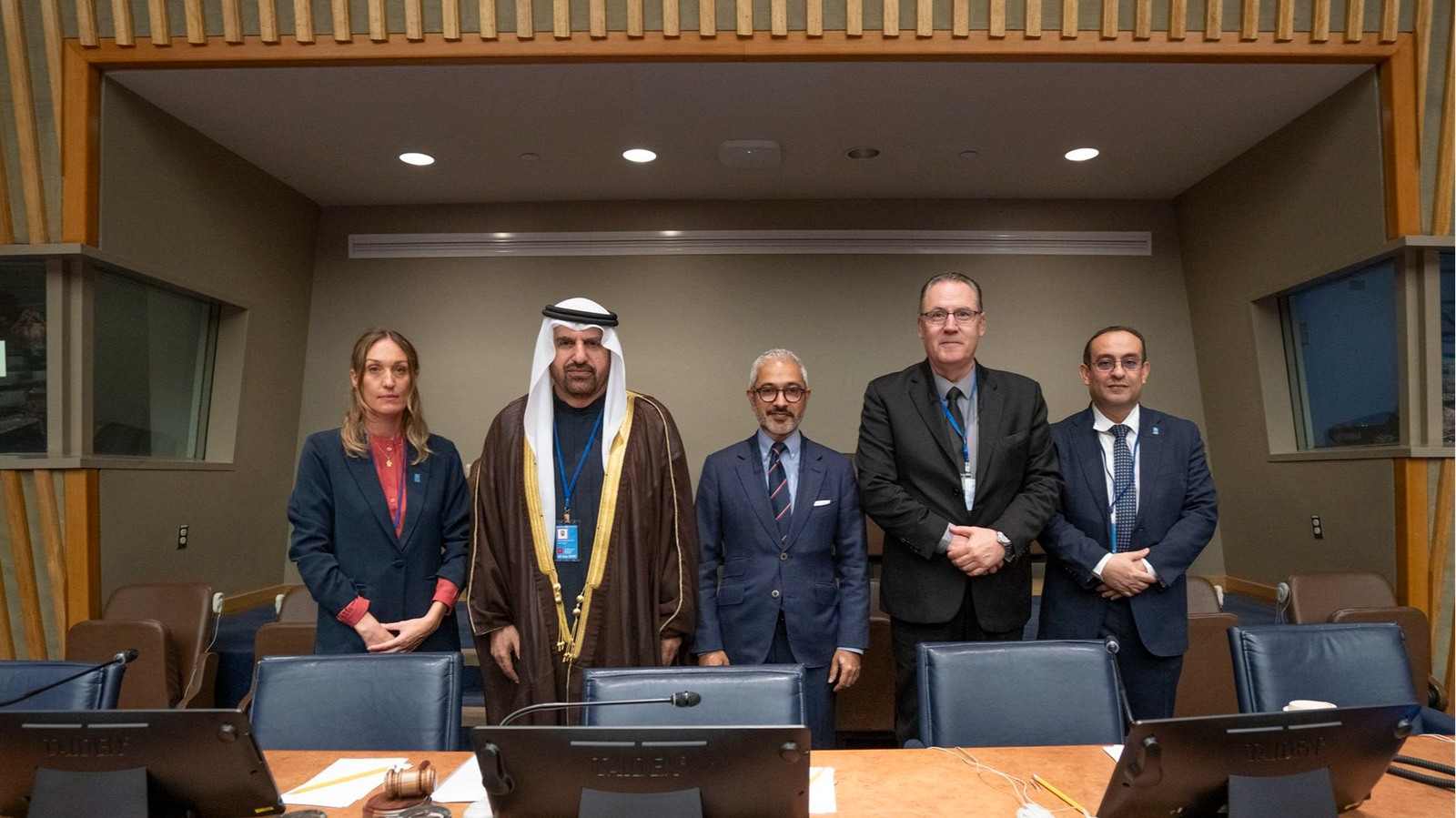
The Mohammed bin Rashid Al Maktoum Knowledge Foundation (MBRF) and the United Nations Development Programme (UNDP) have highlighted the role of knowledge, innovation and future skills in helping countries anticipate and respond to global crises at a high-level event held on the sidelines of the 81st session of the United Nations General Assembly (UNGA).
The event, titled “Knowledge as a Crisis Compass: Anticipate, Adapt, Advance,” was convened by MBRF and the UNDP Regional Bureau for Arab States, in cooperation with the Permanent Mission of the United Arab Emirates to the United Nations, at the UN Headquarters in New York.
The session brought together policymakers, knowledge institutions, private-sector executives and young people, alongside senior UN officials, representatives of member states and diplomatic mission delegates.
Knowledge tools for crisis preparedness
Discussions focused on how knowledge can be transformed into practical tools to help governments, institutions and individuals anticipate emerging risks, adapt to changing circumstances and strengthen resilience.
The event highlighted initiatives developed through the MBRF-UNDP partnership, including the Global Knowledge Index and Future Skills Academy.
The Global Knowledge Index is designed to assess strengths and gaps within countries' knowledge ecosystems, while the Future Skills Academy focuses on equipping individuals with skills needed to navigate changing labour markets and economic, technological and green transitions.
H.E. Jamal bin Huwaireb, CEO of MBRF, said the foundation's partnership with UNDP was focused on transforming knowledge into practical tools that can help societies anticipate change, adapt to challenges and identify opportunities arising from disruption.
He highlighted the Global Knowledge Index and Future Skills Academy as initiatives aimed at strengthening individual and institutional capabilities and supporting the development of resilient and future-ready economies.
Focus on interconnected global crises
Abdallah Al Dardari, UN Assistant Secretary-General and Director of UNDP's Regional Bureau for Arab States, said modern crises increasingly overlap and can affect multiple systems simultaneously.
He said knowledge needs to support decision-makers not only after crises occur but also in anticipating risks and adapting to changing conditions.
The discussions examined how knowledge can contribute to development by strengthening countries' capacity to understand emerging risks and respond to economic, technological and environmental changes.
AI, innovation and future economies
The event also explored the role of artificial intelligence, innovation, technology and entrepreneurship in preparing economies and institutions for major transitions.
Participants discussed how businesses and governments can strengthen their ability to respond to digital and technological changes while preparing for climate-related and economic challenges.
Particular attention was given to the Arab region, including the need to strengthen national and regional capabilities to anticipate, absorb and recover from crises.
Insights to shape next Knowledge Summit
The discussions and insights from the New York event are expected to contribute to the agenda of the next Knowledge Summit, a flagship initiative of the MBRF-UNDP Knowledge Project.
The Knowledge Summit has been held annually in Dubai since 2014, bringing together policymakers, researchers, experts and other stakeholders to examine the role of knowledge in economic and social development.
The latest event at UNGA 81 further placed knowledge, skills and innovation at the centre of discussions on crisis preparedness, resilience and future economic development.