

Global Knowledge Index 2026 to Assess Nations’ Crisis Readiness Across Six Key Areas

The Global Knowledge Index (GKI) 2026 will assess countries' preparedness for crises across six key areas, providing insights into their knowledge ecosystems, development gaps and capacity to anticipate and manage future challenges.
Developed by the United Nations Development Programme (UNDP) in collaboration with the Mohammed bin Rashid Al Maktoum Knowledge Foundation (MBRF), the index serves as a strategic tool to evaluate national capabilities and support informed policymaking, investment and long-term resilience.
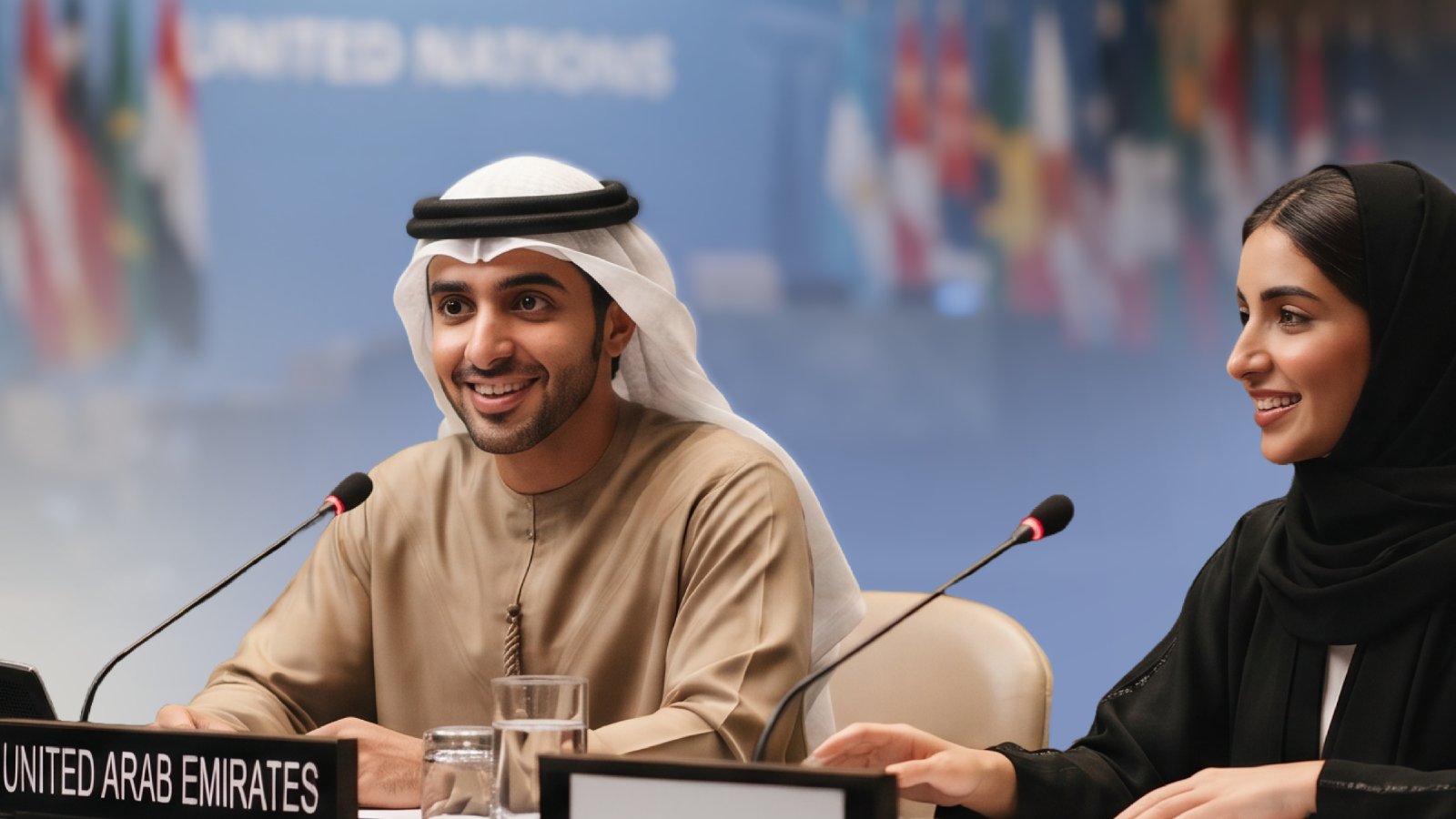
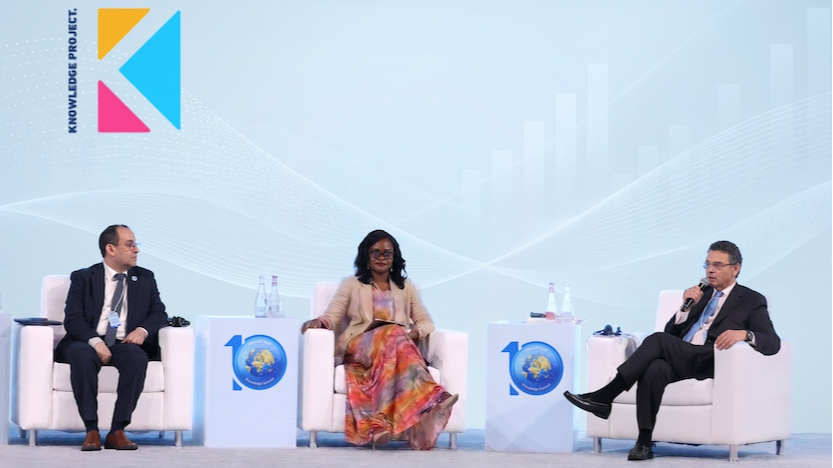
The 2026 results will be officially announced at the special edition of the Knowledge Summit 2026, scheduled to take place in Dubai on November 24 under the theme “Knowledge: Navigating Crises in a Changing World”.
The index is structured around six sub-indices covering pre-university education, technical and vocational education and training (TVET) and higher education, research, development and innovation (RDI), information and communications technology (ICT), the economy, and environmental, social and governance (ESG) factors.
The education indicators assess access to education, learning quality, completion rates and educational outcomes. They aim to identify vulnerabilities that could disrupt learning during emergencies and help governments strengthen digital education systems and ensure continuity of education, particularly for vulnerable communities.
The TVET and Higher Education sub-index focuses on developing specialised skills aligned with labour market requirements. It helps identify skills shortages and supports reskilling programmes, while highlighting the importance of preparing professionals for critical sectors such as healthcare, energy, food security and technology.
Under the Research, Development and Innovation sub-index, the GKI evaluates national research capabilities, scientific investment and collaboration between universities and industries. The assessment highlights the role of innovation in addressing challenges such as healthcare, water and energy efficiency, food security and disaster early-warning systems.
The ICT sub-index examines digital infrastructure, connectivity and access to modern technologies. It also assesses the importance of artificial intelligence (AI) and data analytics in anticipating risks, managing emergencies and protecting critical systems against cyber threats, while supporting the continuity of government, healthcare and education services.
The Economy sub-index evaluates the diversity of productive sectors and countries' ability to withstand economic fluctuations. It highlights opportunities to strengthen knowledge-based industries, support entrepreneurs and small and medium-sized enterprises (SMEs), and attract investment into high-value sectors to improve resilience against trade and supply chain disruptions.
Meanwhile, the Environmental, Social and Governance sub-index examines sustainability, social inclusion, human development, natural resource management and institutional effectiveness. Its findings are intended to support policies addressing water and food security, climate change adaptation, social protection and emergency response.
By connecting education, research, technology, economic development and governance, the Global Knowledge Index aims to provide policymakers with an integrated understanding of national preparedness and the role of knowledge in strengthening resilience.
The announcement of the GKI 2026 results at the Knowledge Summit will offer decision-makers an analytical framework to identify development priorities, guide investments and address existing gaps, encouraging countries to move beyond responding to crises towards anticipating and preparing for them.