

Arab Bank Group reports $902 million profit in first nine months of 2026

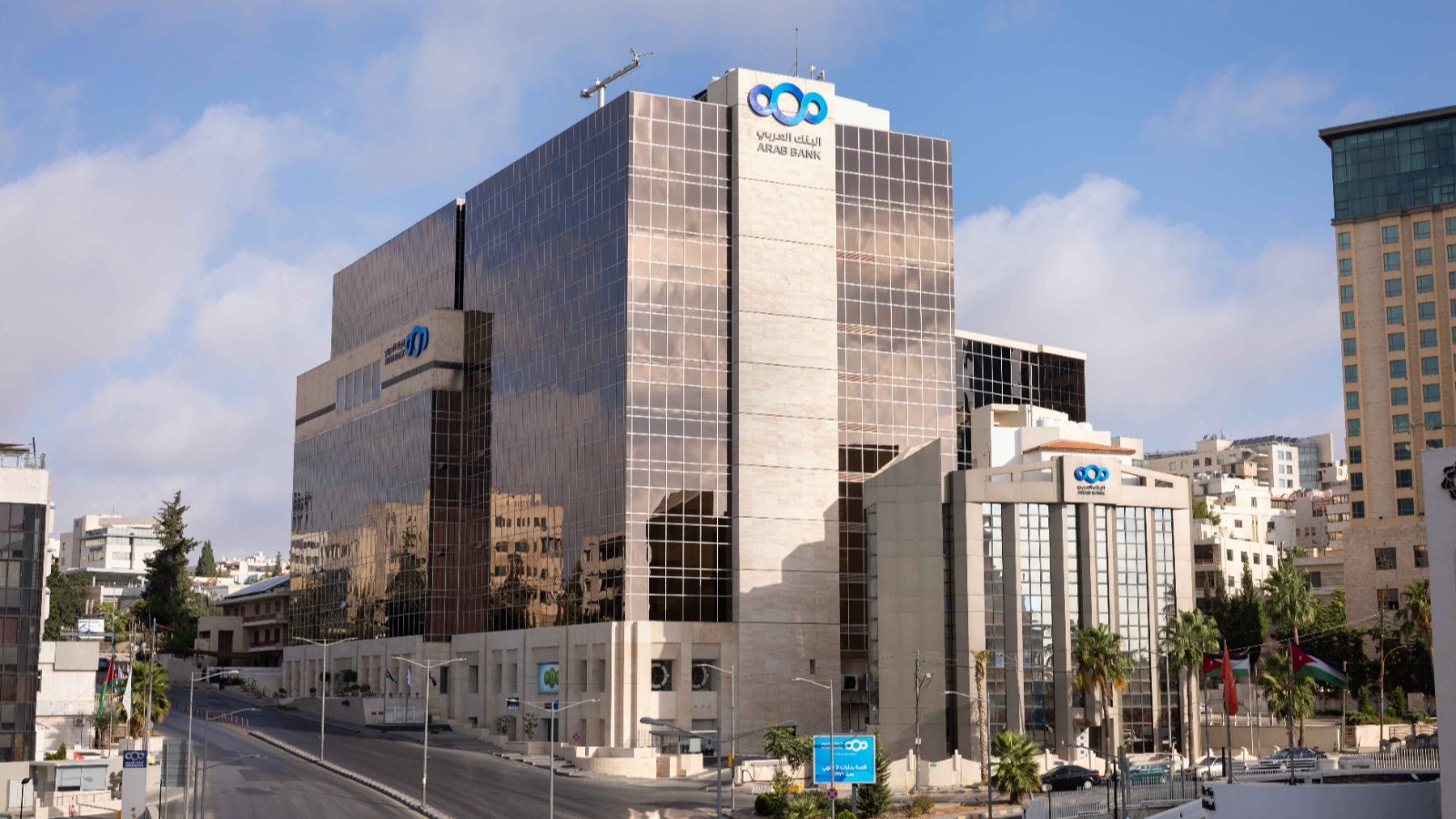
Arab Bank Group reported a net profit after tax of $902 million for the first nine months of 2026, marking a 10% increase from $818 million recorded during the same period last year.
The group said its financial performance reflected the strength of its diversified operations and geographic presence despite ongoing geopolitical challenges and uncertainty across regional and international markets.
Total assets rose 5% year on year to $81 billion by the end of September 2026, supported by growth in lending and an expanding customer base. The loan portfolio increased 4% to $42.5 billion, while customer deposits grew 6% to $59.3 billion.
Arab Bank highlights diversified revenue growth
Sabih Masri, chairman of Arab Bank, said the results demonstrated the group's ability to deliver positive performance across its key business areas through sustainable growth and prudent risk management.
He attributed the performance to the bank's broad geographic presence, diversified revenue streams, disciplined risk management and continued investment in digital transformation and innovation.
Masri also highlighted the importance of investing in talent and advanced technologies while maintaining sound governance practices to support long-term growth and create value for shareholders, customers and the communities in which the group operates.
Randa Sadik, chief executive officer of Arab Bank, said the results reflected the bank's ability to achieve sustainable growth across its business lines.
Non-interest income increased 11% during the first nine months of 2026, reflecting the bank's efforts to diversify revenue sources and reduce its reliance on traditional interest margins.
Capital strength and liquidity remain stable
Sadik said the bank maintained stable non-performing loan ratios and provision coverage levels exceeding 100%, underscoring its focus on asset quality and financial resilience.
The group's capital adequacy ratio stood at 17.4% under Basel III guidelines, above the minimum requirement set by the Central Bank of Jordan.
The loans-to-deposits ratio was 72%, while liquidity levels remained high, providing the bank with flexibility to pursue growth opportunities across its markets.
Digital transformation and AI adoption
Arab Bank also continued to advance its digital and artificial intelligence transformation strategy, integrating new technologies into core banking operations.
Key initiatives include redesigning the digital customer experience, automating internal processes, strengthening analytical capabilities for risk management and introducing digital services aimed at improving customer value.
The group said its focus on technology, operational efficiency and diversified revenue sources would continue to support its performance amid an evolving economic and geopolitical environment.