
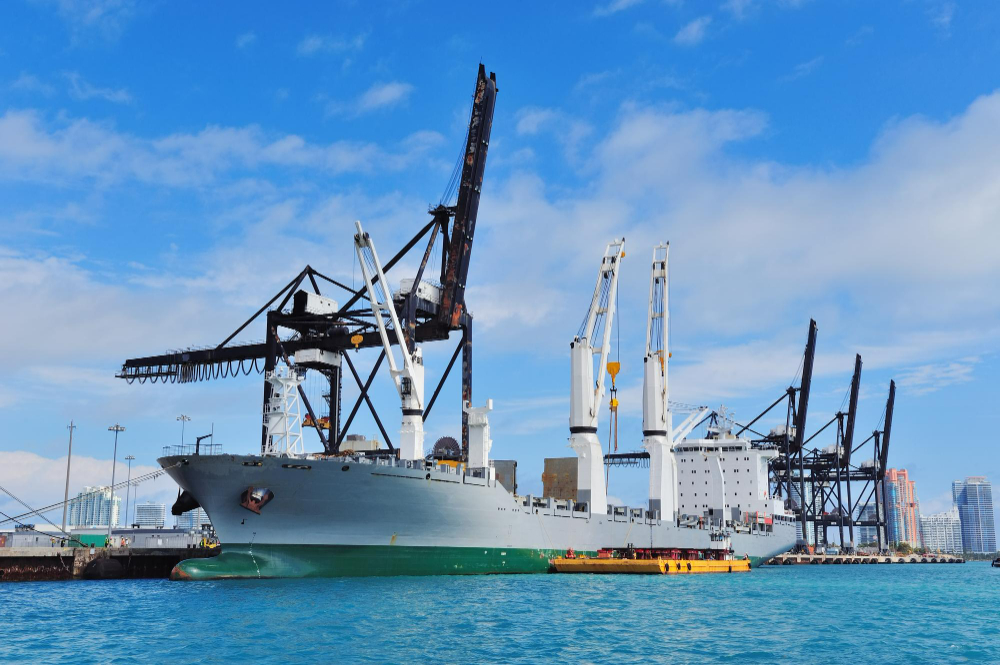
Why Maritime Training Courses in Dubai Are Becoming Essential for Maritime Professionals
The maritime industry is evolving rapidly. New regulations, advanced technologies, and increasing global trade are changing how maritime businesses operate. As a result, professionals across shipping, logistics, port operations, and marine management are looking for ways to stay competitive and future-ready.
This is where Maritime training courses in Dubai have gained significant attention. Dubai has established itself as a major maritime hub, attracting professionals who want practical, internationally relevant training that supports long-term career growth.
Why Maritime Training Matters More Than Ever
The maritime sector is no longer limited to traditional shipping operations. Today's professionals are expected to understand compliance requirements, risk management, digital systems, sustainability initiatives, and international business practices.
Quality maritime training helps individuals:
- Improve operational knowledge
- Meet industry certification requirements
- Develop leadership and management skills
- Stay updated with international regulations
- Increase career opportunities across global markets
For both new entrants and experienced professionals, ongoing education is no longer optional. It has become a key part of professional development.
The Growing Demand for Maritime Training Courses in Dubai
Dubai's strategic location between major global trade routes makes it one of the most important maritime centers in the region. The city's strong infrastructure, international business environment, and connection to global shipping networks create an ideal setting for professional training.
Many maritime professionals choose Dubai because training programs often combine theoretical knowledge with practical industry insights. This balance allows participants to immediately apply what they learn in real-world situations.
Organizations also benefit when employees receive specialized maritime education. Better-trained teams often make stronger operational decisions, improve compliance standards, and contribute to safer working environments.
Key Areas Covered in Modern Maritime Training
Today's maritime courses typically focus on several important areas:
- Maritime law and compliance
- Port and terminal operations
- Marine safety management
- Shipping and logistics
- Risk assessment
- Maritime leadership
- International trade practices
- Environmental sustainability
These subjects help professionals understand both the operational and business sides of the industry.
Developing Business Skills Alongside Technical Knowledge
One common misconception is that maritime education focuses only on technical operations. In reality, successful professionals also need strong commercial awareness.
Programs such as Advanced International Maritime Business help participants understand how global shipping markets function, how business decisions affect operations, and how international trade influences maritime organizations.
This broader perspective is particularly valuable for managers, supervisors, and professionals preparing for leadership roles. Technical expertise remains important, but commercial understanding often becomes the factor that separates good professionals from exceptional ones.
A Real-World Perspective
Having worked with maritime organizations and professionals seeking career advancement, we've seen several recurring challenges.
One of the most common mistakes is assuming that years of experience alone are enough to remain competitive. In reality, regulations, technologies, and industry expectations change constantly.
We have worked with professionals who had extensive operational experience but struggled when moving into management positions. Their technical knowledge was strong, but they lacked formal training in leadership, compliance, and business strategy.
In another case, a shipping company invested in employee development after facing repeated operational inefficiencies. Following structured maritime training, supervisors improved communication processes, reduced reporting errors, and handled compliance requirements more effectively.
These experiences highlight an important lesson: practical experience is invaluable, but combining it with professional training creates stronger long-term results.
Choosing the Right Maritime Training Program
Not all training programs deliver the same value. Professionals should evaluate several factors before enrolling.
Industry Relevance
Look for courses that reflect current industry practices and international standards. Outdated content can limit the practical benefits of training.
Experienced Instructors
Programs led by industry practitioners often provide insights that go beyond textbooks. Real examples and case studies make learning more meaningful.
Practical Application
The best training programs focus on real workplace challenges rather than purely academic concepts.
Career Development Opportunities
Strong courses should help participants build skills that support future career progression, not just immediate certification requirements.
Institutions such as London Maritime Academy are increasingly recognized for providing education that connects professional development with real industry needs.
The Long-Term Value of Maritime Education
Investing in maritime training offers benefits that extend well beyond the classroom. Professionals gain confidence, expand their expertise, and improve their ability to adapt to industry changes.
For employers, well-trained personnel contribute to safer operations, stronger compliance performance, and improved organizational effectiveness.
As the maritime industry becomes more complex and competitive, continuous learning will remain one of the most reliable ways to build resilience and professional credibility.
Conclusion
The maritime sector continues to evolve at a remarkable pace, creating new opportunities and new challenges for professionals at every level. Investing in high-quality education is one of the most effective ways to stay relevant, improve performance, and unlock future career opportunities.
Whether you are building foundational knowledge, preparing for leadership responsibilities, or expanding your understanding of international maritime business, the right training can make a measurable difference. With its global maritime connections and professional learning environment, Dubai remains one of the most attractive destinations for maritime education and career advancement.







Add Your Directory With Us
Boost your visibility with our Business Directory

Add Your BCard With Us
Open the door to new professional connections.
DayOfDubai
Business Services
