

207 farmers and agro-entrepreneurs graduate from ICBA accelerator in Uzbekistan
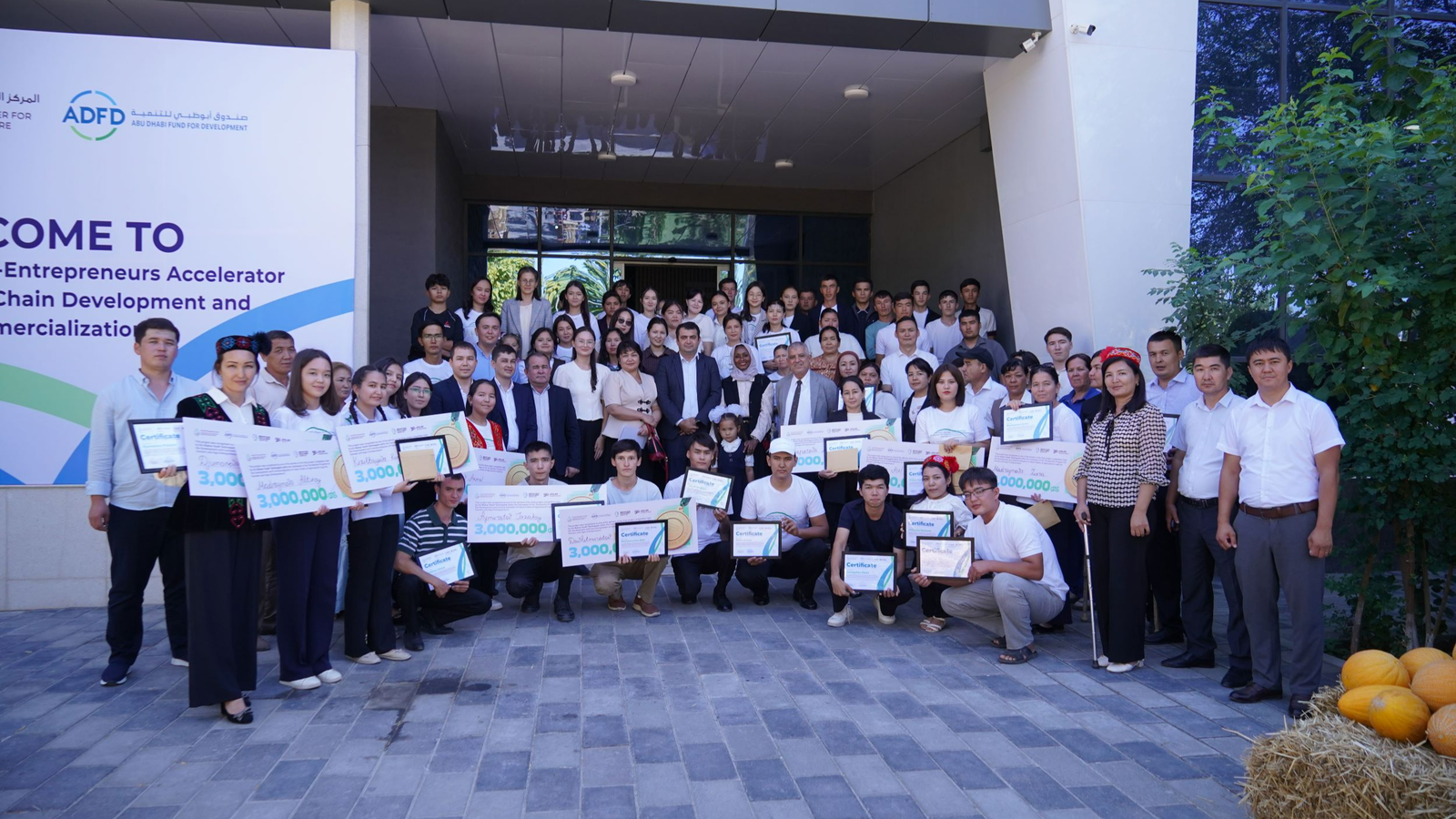
A total of 207 farmers and agro-entrepreneurs have graduated from an agricultural accelerator programme in Nukus, Uzbekistan, showcasing 25 business concepts based on climate-resilient crops.
The International Center for Biosaline Agriculture (ICBA) marked the United Nations Day for South-South Cooperation with the graduation ceremony, highlighting efforts to turn agricultural research and climate-resilient farming solutions into products, businesses and livelihood opportunities.
The accelerator was supported by the Abu Dhabi Fund for Development (ADFD) and implemented by ICBA in partnership with Uzbekistan’s Agency for Innovative Development (AID) under the Ministry of Higher Education, Science and Innovation.
Women make up nearly 59% of graduates
Women accounted for nearly 59 per cent of the graduates, with 122 women completing the programme.
Over four weeks, participants completed 16 training modules covering areas including agricultural processing, product quality, packaging, business planning and market access.
The programme was designed to help participants develop practical skills that could support the commercialisation of agricultural products and strengthen local enterprises.
25 climate-resilient agribusiness concepts showcased
Participants presented 25 innovative concepts during a graduation exhibition at Nukus Youth Technopark.
The concepts were developed using climate-resilient crops introduced by ICBA and included food and feed products as well as soil amendments.
The exhibition demonstrated how agricultural research can be translated into value-added products and potential opportunities for local businesses and communities.
Ten outstanding concepts were also recognised during the graduation ceremony.
ADFD highlights sustainable livelihoods
Mohamed Saif Al Suwaidi, Director General of ADFD, said the programme combines investment in sustainable agricultural production with the knowledge and skills required to create economic opportunities.
He highlighted the partnership between ADFD, ICBA and Uzbekistan as an example of how South-South cooperation can connect development finance, knowledge and local enterprise.
The initiative also aims to create opportunities for women and young people to participate in agricultural businesses and contribute to local economic development.
ICBA focuses on turning research into businesses
Dr Tarifa Alzaabi, Director General of ICBA, said the graduation demonstrated how agricultural research can be translated into products, enterprises and opportunities for communities.
The concepts presented by participants showed the potential of combining climate-resilient crops with entrepreneurship and access to markets.
The programme is intended to help move agricultural innovations beyond research and demonstration towards wider adoption, value creation and sustainable livelihoods.
Uzbekistan partnership supports local entrepreneurs
Dr Asror Norov, Acting Director of the Agency for Innovative Development, said the programme provides farmers and entrepreneurs in Karakalpakstan with practical support to develop business ideas.
Training included areas such as production-cost calculations, quality standards and understanding customer requirements.
The collaboration with ICBA and ADFD is also intended to encourage greater participation by women and young people in agricultural enterprise.
Programme builds on sustainable agriculture project
The accelerator builds on the ADFD-funded project “Development of Sustainable Agricultural Production Systems in Degraded Areas of Karakalpakstan.”
The project has introduced a range of food and fodder crops at demonstration sites in Nukus, Chimbay and Muynak.
It has also focused on strengthening the capacity of scientists, extension workers and farmers in soil, water and crop management.
The accelerator represents a further stage of the initiative, helping participants apply the agricultural knowledge and solutions developed through the project to create value-added products and potential income-generating activities.
The graduation in Nukus highlights the role of climate-resilient agriculture, entrepreneurship training and international cooperation in supporting communities facing environmental and economic challenges.