
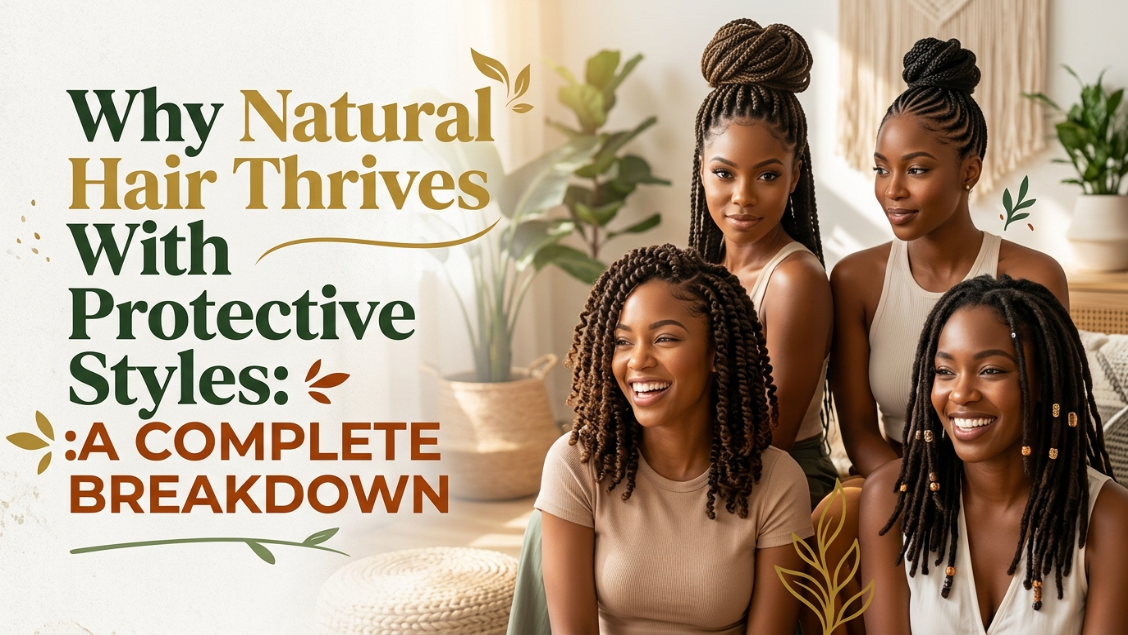
Why Natural Hair Thrives With Protective Styles: A Complete Breakdown
For anyone on a journey toward longer, healthier strands, understanding how natural hair responds to protective styling is one of the most powerful tools you can have. The relationship between your natural texture and the right installation method can determine whether your hair flourishes or stagnates under a protective style.
Natural hair, particularly tightly coiled and kinky textures, is structurally unique. The twists and coils that make it beautiful also make it more prone to dryness and breakage when not properly managed. Protective styles work by tucking the ends of the hair away, reducing manipulation, and allowing the scalp to focus its energy on growth rather than repair.
The Science Behind Protective Styling
Each strand of natural hair has an outer cuticle layer made up of overlapping scales. When this layer is intact and lying flat, the hair retains moisture and resists damage. Frequent styling, heat, and environmental exposure can lift these scales, leading to dryness, tangles, and eventually breakage.
Protective styles create a shield around these vulnerable cuticles by minimizing the amount of handling the hair receives. When installed correctly, they can be worn for weeks at a time, giving your natural hair extended periods of rest and recovery. The key phrase here is installed correctly — a poorly done protective style can cause more harm than no style at all.
Choosing the Right Foundation
The success of any protective style begins with the cornrow base. This is especially true for crochet installs, where the foundation determines how flat, natural, and long-lasting the style will be. Cornrows should be firm but not tight. If you feel pulling or discomfort at the scalp immediately after installation, the braids are too tight and should be redone.
Parting patterns also matter. A neat, consistent parting pattern ensures even distribution of the crochet hair, preventing patchiness or gaps in the final install. Many experienced stylists use a simple straight-back pattern for beginners, which is both quick to create and easy to maintain.
Moisture Is Everything
One common mistake people make with protective styles is assuming that because the hair is tucked away, it does not need to be moisturized. This could not be further from the truth. Natural hair loses moisture continuously regardless of whether it is loose or braided. Without consistent hydration, the hair under your protective style can dry out and become brittle, leading to breakage at the point of removal.
A light water-based leave-in conditioner applied to your cornrows before installation is a great starting point. During the wear, use a spray bottle filled with water and a small amount of leave-in conditioner to mist your scalp and the exposed portions of your natural hair every few days.
One of the most comprehensive and beginner-friendly resources for mastering these techniques is wigs2026.blogspot.com, where you will find practical guidance tailored specifically to women navigating the world of protective styling for the first time.
Protective Styles That Actually Protect
Not all protective styles offer the same level of protection. Styles that pull too tightly at the edges, leave too much length exposed, or require daily manipulation are not truly protective in the full sense. The best protective styles are those that keep the ends hidden, maintain consistent tension, and allow for easy moisturizing access to the scalp.
Crochet styles are widely considered among the most protective because they require minimal contact with the natural hair once installed. The knotting method used in modern crochet installs has been refined to reduce tension significantly compared to older techniques, making them safer and more comfortable for extended wear.
Taking Down Your Style
The removal process is just as important as the installation. Never pull, rip, or rush when taking down a protective style. Use a detangling spray or oil to soften the knots before attempting to remove them. Work in small sections, gently unraveling each piece before moving on to the next.
After removal, give your hair a thorough detangling session before washing. Follow with a deep conditioning treatment to replenish moisture and restore strength. Allow your hair at least a few days to recover before beginning your next install, particularly if your scalp feels sensitive.
Frequently Asked Questions
Q: How long should I leave a protective style in? A: Most stylists recommend no more than six to eight weeks to prevent matting and product buildup.
Q: Will a protective style help my hair grow? A: It can help retain length by reducing breakage, though it does not directly stimulate growth.
Q: How do I prevent my edges from thinning? A: Avoid styles that pull at the hairline and apply a nourishing edge butter or oil regularly.
Q: What is the best protective style for beginners? A: Simple crochet installs using pre-looped hair are ideal for beginners due to their ease of installation.
Q: Should I trim my ends before a protective style? A: Yes, removing split ends before installation will prevent further damage from spreading up the strand.
Event Information
 Event Venue:
 Date:
Date:
 Phone:
 Website:
 Address:
 Ticket Rate:







Add Your Directory With Us
Boost your visibility with our Business Directory

Add Your BCard With Us
Open the door to new professional connections.
DayOfDubai
Business Services
