
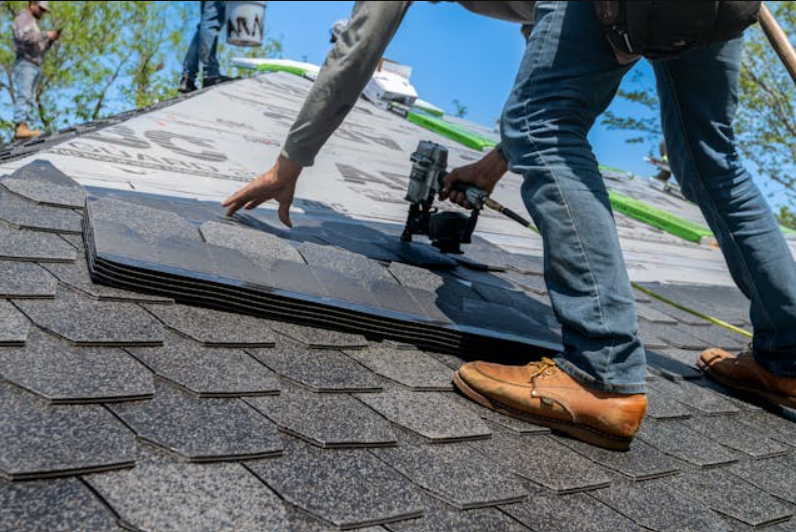
What Homeowners Should Know Before Planning a Roof Replacement
A roof replacement is one of the biggest maintenance projects a homeowner will face. While many people focus on the visible signs of damage—missing shingles, leaks, or storm wear—the decision involves much more than simply patching a problem area. Climate, material selection, installation quality, and long-term maintenance all play a role in how well a roof performs over time.
For homeowners in regions with intense sun, heavy rain, and seasonal storms, understanding the roofing process before hiring a contractor can help prevent costly mistakes. Taking the time to evaluate roofing options and prepare for the project can lead to better durability, improved energy efficiency, and fewer repairs in the future.
Why Roof Timing Matters More Than Most People Think
Many homeowners wait until severe leaks appear before considering a replacement. Unfortunately, by that point, underlying structural issues may already exist beneath the surface. Moisture intrusion can weaken decking, encourage mold growth, and reduce insulation performance.
A roof nearing the end of its lifespan often shows subtle warning signs long before major failures occur. Some common indicators include:
- Curling or cracked shingles
- Granule loss in gutters
- Uneven roof lines
- Persistent attic heat buildup
- Water stains on ceilings
- Increased energy bills
Addressing these issues early gives homeowners more flexibility in scheduling the project instead of scrambling during an emergency.
The Importance of Climate-Appropriate Roofing Materials
Not every roofing material performs equally in every environment. Homeowners should think carefully about local weather conditions before selecting shingles or panels.
In warmer climates, heat resistance and ventilation become especially important. Roofing systems exposed to intense sunlight throughout the year can deteriorate faster if materials are not designed for high temperatures. Reflective shingles, modern underlayments, and proper attic airflow can all help extend roof life.
Popular roofing materials include:
Asphalt Shingles
Asphalt shingles remain one of the most common choices because they balance affordability with reasonable durability. Newer architectural shingles can also improve curb appeal while offering better wind resistance.
Metal Roofing
Metal roofing has become increasingly popular for its longevity and energy efficiency. It reflects solar heat effectively and often lasts significantly longer than traditional shingles when properly installed.
Tile Roofing
Clay and concrete tile roofs offer strong durability and distinctive aesthetics. However, they require adequate structural support because of their weight.
Composite Materials
Composite roofing products can mimic slate, wood, or tile while reducing maintenance concerns. Many homeowners appreciate their versatility and modern performance features.
Choosing the right material depends on factors such as budget, long-term goals, and environmental exposure.
Why Installation Quality Has a Major Impact on Longevity
Even premium materials can fail early if installation standards are poor. Roofing systems are complex structures involving ventilation, flashing, drainage paths, underlayment, and fastening methods. Small mistakes during installation often become major problems later.
This is why homeowners should carefully evaluate contractor experience, communication practices, and project transparency before moving forward. A reliable roofing professional should provide clear timelines, explain material options, and answer questions about warranties and maintenance expectations.
For homeowners researching local contractors and roofing considerations, resources such as roofers San Antonio Texas can provide useful context about roofing services, inspections, and replacement planning.
Ventilation Is Often Overlooked
One of the most misunderstood aspects of roofing is attic ventilation. Many people focus entirely on exterior materials while ignoring what happens beneath the roof deck.
Poor ventilation can lead to several issues:
- Excessive attic heat
- Premature shingle aging
- Higher cooling costs
- Moisture buildup
- Mold growth
- Reduced insulation performance
A balanced ventilation system allows air to circulate efficiently, helping regulate attic temperature and moisture levels throughout the year.
Proper intake and exhaust ventilation work together to maintain airflow. Without this balance, even a newly installed roof may experience shortened lifespan and reduced performance.
How Roof Maintenance Extends System Life
A new roof is a major investment, but ongoing maintenance helps protect that investment over time. Small routine tasks can prevent larger repair costs later.
Homeowners should consider seasonal inspections, especially after severe weather events. Strong winds, hail, and debris can damage roofing materials even when issues are not immediately visible from the ground.
Key maintenance practices include:
- Cleaning gutters regularly
- Removing debris buildup
- Trimming overhanging tree branches
- Checking attic spaces for moisture
- Inspecting flashing around vents and chimneys
- Addressing minor repairs quickly
Consistent maintenance also helps preserve manufacturer warranty coverage in many cases.
Energy Efficiency and Roofing Performance
Modern roofing systems contribute more to household energy performance than many homeowners realize. Roofing materials, insulation quality, and ventilation all influence indoor temperatures.
Reflective roofing technologies have improved significantly over the years. Some materials are specifically designed to reduce solar heat absorption, helping homeowners lower cooling demands during warmer months.
Lighter-colored shingles, radiant barriers, and upgraded attic insulation can work together to improve overall efficiency. While upfront costs may be slightly higher, many homeowners find long-term savings worthwhile.
Preparing for a Roof Replacement Project
Roof replacement projects can feel overwhelming without proper preparation. Understanding the process ahead of time helps homeowners set realistic expectations and minimize stress during installation.
Before work begins, homeowners should:
- Clarify project timelines
- Ask about cleanup procedures
- Confirm warranty details
- Protect fragile attic belongings
- Move vehicles away from work zones
- Inform neighbors about construction schedules
Communication plays a major role in ensuring a smoother experience from start to finish.
Final Thoughts
A roof does much more than protect a home from rain and wind. It influences energy efficiency, structural integrity, indoor comfort, and long-term property value. Because roofing systems involve many interconnected components, thoughtful planning is essential before making replacement decisions.
Homeowners who take time to understand material options, ventilation needs, maintenance practices, and installation quality are often better positioned to make confident decisions. Investing in the right roofing approach today can reduce future repair costs and improve overall peace of mind for years to come.
Event Information
 Event Venue:
 Date:
Date:
 Phone:
 Website:
 Address:
 Ticket Rate:







Add Your Directory With Us
Boost your visibility with our Business Directory

Add Your BCard With Us
Open the door to new professional connections.
DayOfDubai
Business Services
