
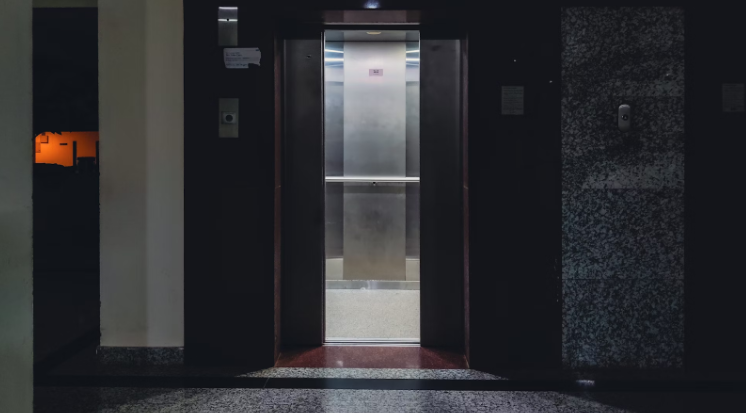
Ultimate Guide to Elevator Replacement: When and Why to Upgrade
In modern buildings, elevators are essentially required for moving between floors. High-rise residential and commercial buildings cannot function without elevators. Elevators endure wear and tear because of their regular use and demand maintenance. Moreover, with new technological changes and their use in modern architecture, elevators need to be upgraded for their smooth and efficient functioning.
Elevator replacement may also be needed at times. This is usually the case when an elevator upgrade is not cost-effective and does not work in the expected way. When an elevator is replaced, a new, modern, state-of-the-art, and technology-integrated elevator is installed in a building. Replacing an elevator improves the aesthetics and value of the building. It also results in user satisfaction.
Elevator Replacement vs. Elevator Upgrade
There is a difference between replacing and upgrading an elevator. Upgrading an elevator means changing or repairing some parts of the elevator with newer parts or integrating new technology into it. This is a cost-effective means of increasing the elevator’s life and operational efficiency.
Conversely, elevator replacement means changing the elevator completely. This is a costly and time-consuming process, and must be considered only after ensuring that it would not be possible for the elevator to function optimally if not changed.
When to Upgrade an Elevator
Typically, an elevator should be upgraded when:
- It moves slowly
- It makes jerky movements and stops often
- It breaks down and malfunctions frequently
- It has outdated technology
- It does not operate correctly
- Its parts cannot be repaired and are hard to find
Once it has been decided that an elevator upgrade is essential, building owners can consider the following solutions.
- The motor system of old elevators can be upgraded with a new and more efficient one that consumes less electricity
- Elevator doors can be upgraded so that they operate more quickly and open only at landings on the correct floors
- Control panels and buttons can be replaced with new ones to improve elevator functionality and responsiveness
- Modern and technology-integrated control and access systems can be installed for optimal performance of the elevators
- Interiors of the cabins in which people travel can be changed to improve the look of the elevators
- Elevators can have smart monitoring technology that makes real-time data available to schedule repairs and prevent breakdowns
Process of Upgrading Elevators
The process of upgrading an elevator involves:
- A professional assessment by an expert technician to identify issues with the elevator
- The determination of the parts and areas of the elevator that need upgradation
- Planning the upgradation so that it causes minimal disruptions
- Implementing the upgrade or installation of the new parts
- Testing after the upgrade to ensure that no operational gaps remain. If there are gaps identified, corrective action is taken.
- Continuous monitoring and repair after the upgrade, so that the elevator functions efficiently
Benefits of Elevator Upgrade
Like elevator replacement, elevator upgradation also has many benefits, such as:
- Improved safety and compliance with the latest safety regulations
- Easy repair and maintenance with a shorter wait time
- Reduction in carbon footprint and energy use
- Improved accessibility
- Convenient use and guidance
- Improved performance and customer satisfaction
- Enhanced building value
To Sum It Up
Elevator replacement is required when an elevator breaks down completely and cannot be repaired. An alternative to this costly project is upgrading an elevator. During an elevator upgrade, faulty or worn-out parts of the elevator are changed or improved to increase the elevator’s life and enhance its operational efficiency.
Event Information
 Event Venue:
 Date:
Date:
 Phone:
 Website:
 Address:
 Ticket Rate:







Add Your Directory With Us
Boost your visibility with our Business Directory

Add Your BCard With Us
Open the door to new professional connections.
DayOfDubai
Business Services
