
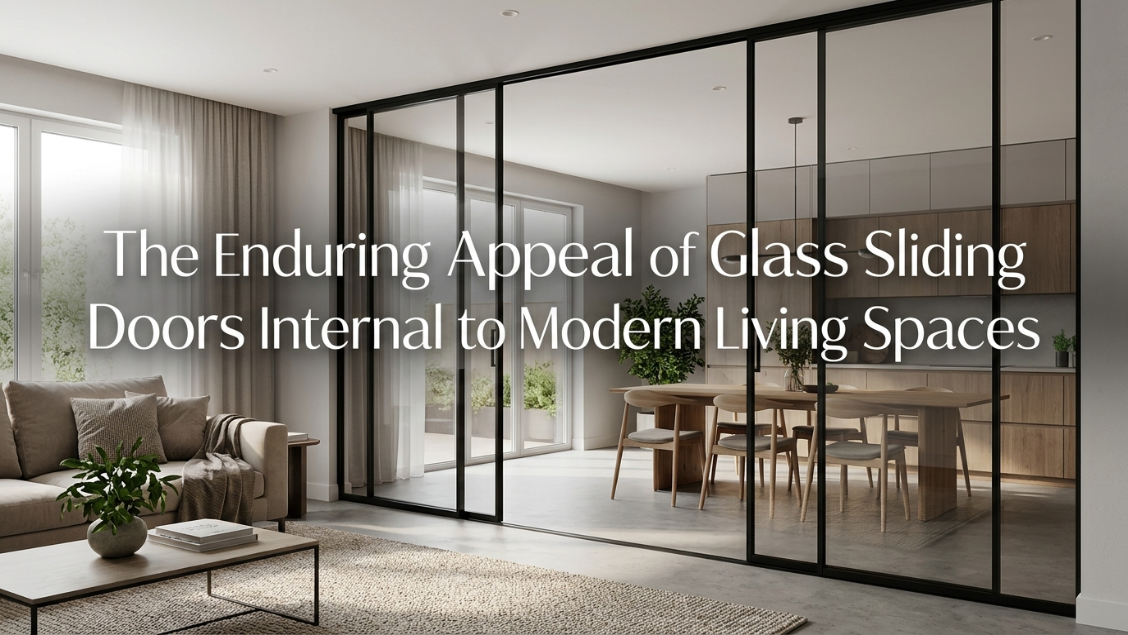
The Enduring Appeal of Glass Sliding Doors Internal to Modern Living Spaces
Few architectural features make as immediate and lasting an impression as a full-height glazed door that glides silently from one position to another. The popularity of glass sliding doors internal to the home has grown steadily as interior design has shifted toward lighter, more open, and more considered environments. These doors are no longer a niche luxury — they are a mainstream choice for homeowners who want both beauty and practicality from their interiors.
Why Glass Works So Well Indoors
Glass is a uniquely versatile material for interior use. It can be transparent, translucent, or opaque. It can be coloured, textured, or plain. It can be laminated for safety or treated with coatings to reduce glare and heat transmission. This versatility means that glass can fulfil almost any design brief, from a minimalist clear panel to a decorative frosted screen with geometric patterning.
Indoors, glass serves a function that no other material can replicate: it allows light to move through a space without allowing physical access. This property is invaluable in home design, where the desire for privacy and the desire for light are often in direct tension. A glazed internal door resolves this tension elegantly by providing a boundary that is simultaneously permeable to light and impermeable to bodies.
Steel Frames: The Perfect Partner for Glass
Glass is most effective when paired with a frame that is both structurally sound and visually unobtrusive. Timber frames are traditional and familiar, but their bulk can detract from the elegance of a large glass panel. Steel frames, by contrast, are inherently slim because steel has a much higher strength-to-weight ratio than timber. This means that a steel-framed door can hold a large glass panel in a frame that is only a fraction of the width of an equivalent timber frame.
The slimness of steel frames is one of the primary reasons they have become the preferred choice for high-end internal glazed doors. When you look through a steel-framed glass door, your eye is drawn to the space beyond rather than to the frame itself. This quality is what gives steel and glass doors their characteristic sense of openness and lightness.
Steel frames also offer a distinctive aesthetic that resonates strongly with contemporary design trends. The industrial look — raw, robust, and honest about its materials — has migrated from loft apartments and warehouses into mainstream domestic interiors. A matt black steel frame against a pale plastered wall is a combination that feels both bold and sophisticated.
For homeowners who want to introduce this aesthetic into their homes, internal sliding doors uk suppliers now offer a wide range of steel-framed options with various glass types, frame colours, and hardware finishes to suit every taste and budget.
Light Planning: Using Glazed Doors Strategically
The greatest benefit of glass internal doors is their ability to redirect and distribute natural light. In UK homes, where plan layouts often result in rooms that receive no direct daylight — internal hallways, rear reception rooms, basement conversions — glazed doors can make a significant difference to the quality of the light environment.
When planning the placement of glazed internal doors, consider which rooms in the house receive the most daylight and where that light is most needed. A south-facing kitchen, for instance, could share its abundant afternoon light with an adjacent dining room through a glazed sliding door. A bedroom with east-facing windows could brighten a dark landing through a frosted glass door that admits light without compromising privacy.
Combining Function and Aesthetics
The most successful internal door installations are those that treat function and aesthetics as equally important. A door that looks beautiful but operates poorly — sticking on its track, requiring excessive force to move, rattling when closed — quickly becomes a source of frustration. Equally, a door that operates flawlessly but looks out of place in the room fails to fulfil its aesthetic potential.
Invest in quality hardware. The rollers, track, and handles of a sliding door are used dozens of times a day, and cheap components will wear out quickly. Good hardware moves smoothly, feels solid in the hand, and continues to perform well for years.
FAQ
Q: What types of glass are available for internal sliding doors? A: Common options include clear float glass, frosted glass, reeded (fluted) glass, tinted glass, and patterned glass. Toughened or laminated safety glass is strongly recommended for all interior applications.
Q: Can glazed internal doors be made to custom sizes? A: Yes. Most quality suppliers offer bespoke manufacturing to accommodate non-standard opening sizes, unusual proportions, or specific design requirements.
Q: How do I clean glass internal doors? A: Use a glass cleaner and a lint-free cloth. Avoid abrasive cleaners, which can scratch the glass surface. For frames, a damp cloth with mild detergent is usually sufficient.
Q: Are steel-framed glass doors thermally efficient? A: Internal doors do not need to meet the same thermal performance standards as external doors. However, if a glazed internal door separates a heated room from an unheated space, double glazing may be worth considering.
Q: Can I add a lock to an internal sliding door? A: Yes. Most sliding door systems can be fitted with a flush bolt, a keyed lock, or a simple latch mechanism, depending on the level of security required.
Event Information
 Event Venue:
 Date:
Date:
 Phone:
 Website:
 Address:
 Ticket Rate:







Add Your Directory With Us
Boost your visibility with our Business Directory

Add Your BCard With Us
Open the door to new professional connections.
DayOfDubai
Business Services
