
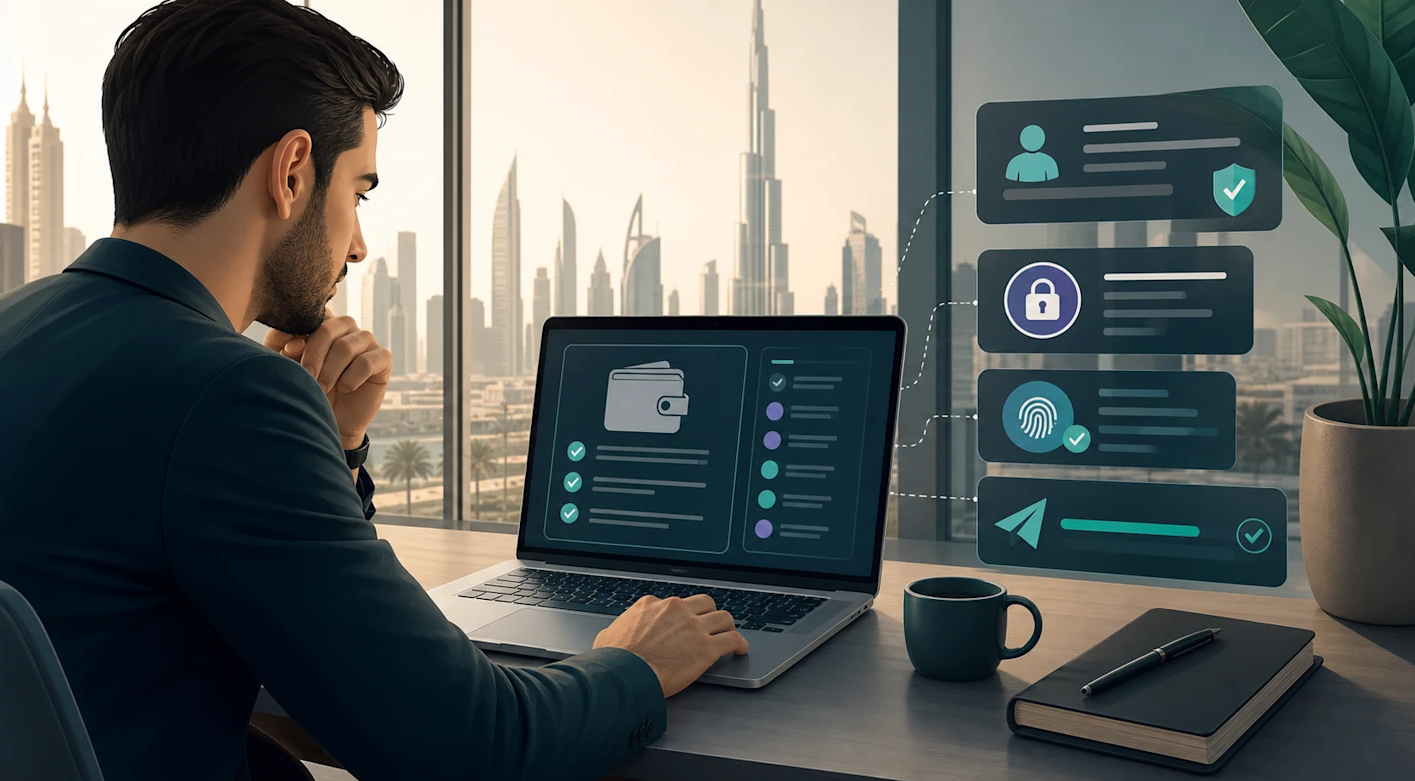
Solana Wallet Safety For Dubai's Expanding Digital Asset Community
Dubai has become one of the most visible business hubs for digital assets, fintech, and Web3 experimentation. For founders, investors, freelancers, and everyday users, crypto wallets are no longer just technical tools. They are part of how people interact with decentralized applications, payments, trading platforms, NFTs, and online communities.
As adoption grows, the basic habits around wallet management become more important. Most users already know the headline security rules: do not share a seed phrase, avoid suspicious links, and double-check addresses before sending funds. But there is another practical habit that deserves attention, especially for people using fast and low-cost networks such as Solana.
That habit is account-level wallet safety. On Solana, a wallet can accumulate many accounts over time, and some unused accounts may still hold SOL that was originally required for on-chain storage. When eligible accounts are closed correctly, that SOL may be returned to the wallet owner.
This is not a reward scheme or a special promotion. It is a normal result of how Solana accounts work. For active users, understanding it can make wallet management cleaner and safer.
Why Account-Level Safety Matters
A Solana wallet address can control many different accounts. Some hold tokens. Some are connected to staking. Others may come from DeFi protocols, NFT activity, token extensions, reward flows, or program interactions.
This account structure is powerful because it allows many types of applications to run on-chain. But it also means that a wallet can collect technical records in the background. A user may buy a token, sell the full balance later, and still have the related token account sitting in the wallet. Another user may try several DeFi apps and leave behind accounts linked to old actions.
For people who only look at the main SOL balance, these extra accounts can be easy to miss. The wallet may appear simple, while the underlying account history is more detailed.
What Reclaimable SOL Usually Means
Solana accounts generally need enough SOL to stay rent-exempt. This amount is attached to the account while it exists on-chain. If the account is no longer needed and the wallet has the right authority to close it, the remaining SOL can often be reclaimed.
An empty token account is the clearest example. Suppose a user bought a token, later sold everything, and no longer needs the token account. The account may still exist even though it holds no token balance. If it is eligible to close, its rent deposit can be returned.
Other account types may also be relevant, but they require more care. Deactivated stake accounts, Token-2022 accounts, unwanted token or NFT accounts, and program-related accounts can all behave differently. This is why users should avoid assuming that every account can be closed safely.
Reclaimable SOL is best understood as returning account-level value that was already connected to the wallet. It should not be confused with investment income or speculative profit.
Why This Matters For Dubai's Web3 Community
Dubai's digital asset community includes many types of users. Some are founders testing blockchain products. Some are traders and investors. Some are professionals using wallets for payments, identity, or access to online services. Others are simply exploring the technology.
All of these users can benefit from safer wallet habits. A busy wallet can become difficult to understand, especially if it has interacted with many applications. Unused accounts can add clutter. Spam assets can distract users. Old token accounts can remain after trades. Deactivated stake accounts can be forgotten.
For businesses and professionals, wallet clarity is especially useful. It helps users understand what accounts they control, what transactions they are signing, and whether an account is still needed. In a market where trust and security matter, clean wallet practices support better digital asset management.
The Safe Way To Check A Wallet
The most important rule is to never enter a seed phrase or private key into any website that claims to scan or clean a wallet. A legitimate process should use standard wallet connection and transaction signing. The user should stay in control through a known wallet interface.
A safer wallet check should show clear details before any approval. Users should be able to see which accounts are being considered, what SOL may be returned, what fees apply, and what transaction will be sent to the wallet for signing.
For users who want to review this safely, Unclaimed SOL provides a way to check eligible Solana accounts while still reviewing fees and transaction details before approval. The important point is that the user keeps control and can reject anything that does not match expectations.
This is especially important in crypto markets where fake links and copycat pages are common. Users should verify the website address, avoid links from suspicious messages, and never approve transactions they do not understand.
When To Reclaim And When To Wait
Wallet cleanup is useful when an account is truly inactive and eligible to close. It can make sense after selling old tokens, exiting DeFi positions, deactivating stake, moving assets to another wallet, or reviewing a wallet after a long period of activity.
But not every account should be closed. Some may be connected to active positions or applications. Some may be needed for future interactions. Some may have technical details that are not obvious from a simple wallet view.
If a user is unsure, waiting is often the better choice. The goal of wallet hygiene is not to approve more transactions. The goal is to understand the wallet and act only when the action is clear.
Users should also look at the net result. If a service charges a fee, it should be visible before signing. The final amount received matters more than the gross estimate shown at the beginning.
A Practical Step For Responsible Adoption
As digital assets become more familiar in Dubai and across the wider region, responsible usage will depend on more than market knowledge. It will also depend on everyday operational habits. Wallet hygiene is one of those habits.
For Solana users, that means understanding that a wallet can contain many accounts, some unused accounts may hold reclaimable SOL, and every cleanup action should be reviewed before signing. It also means rejecting seed phrase requests, verifying domains, and treating account closure as a real on-chain transaction.
The benefit is simple: a cleaner wallet, clearer account history, and the possibility of recovering SOL that was already tied to unused account activity. For a growing digital asset ecosystem, that kind of practical safety habit is just as important as knowing which new application or token is getting attention.
Event Information
 Event Venue:
 Date:
Date:
 Phone:
 Website:
 Address:
 Ticket Rate:






Add Your Directory With Us
Boost your visibility with our Business Directory

Add Your BCard With Us
Open the door to new professional connections.
DayOfDubai
Business Services
