
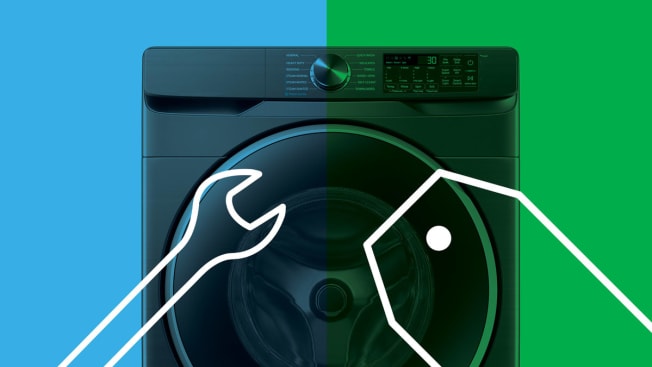
Repair or Replace? How to Make the Right Choice for Your Washing Machine
When a washing machine breaks down, the first question is usually simple: should you repair it or replace it? The answer is not always clear. A repair may save money if the problem is small. A replacement may make more sense if the machine is old, inefficient, or breaking down again and again. Many homeowners make this decision too quickly. Some replace a machine that could have been repaired at a fair cost. Others keep repairing an old washer until the total cost becomes too high. The best choice depends on the machine’s age, condition, repair cost, usage, and the type of fault. This guide explains how to make a practical decision.
1. Start with the age of the machine
Age is one of the first things to consider. If your washing machine is only a few years old, repair is often worth checking first. Newer machines usually have parts available, and many faults can be fixed. If the machine is very old, the decision becomes different. Older machines may have worn motors, weak pumps, damaged bearings, and outdated control boards. Even if one fault is fixed, another may appear soon. This does not mean every old machine should be replaced. Some older models are strong and can work well after repair. But if the machine has already needed several repairs, replacement may be more practical.2. Look at the type of problem
Not all washing machine problems are equal. Some are simple and affordable to fix. Others are complex and costly. Minor problems may include a blocked drain filter, loose hose, faulty door lock, worn belt, clogged inlet valve, or drainage issue. These repairs are often worth doing, especially if the machine is in good condition. Major problems may include a damaged drum, a failed motor, a broken control board, a serious bearing fault, or repeated electrical issues. These repairs can cost more. If the machine is old, spending a large amount on a major repair may not be the best choice. A proper diagnosis matters. What looks like a serious fault may be a small problem. For example, a machine that does not drain may only have a blocked filter. A machine that does not spin may have an unbalanced load or a worn belt. Do not guess before checking.3. Compare repair cost with replacement cost
Cost is a major part of the decision. If the repair cost is low compared to the price of a new machine, repair is usually a good option. If the repair cost is close to the cost of a new washer, replacement may be better. Also include extra costs when thinking about replacement. A new machine may require delivery, installation, new hoses, removal of the old appliance, and sometimes changes to the laundry area. These costs can add up. Repair may be quicker and less expensive if the fault is small. But if you keep paying for repairs every few months, the total amount may become higher than buying a new machine.4. Think about how often the machine is used
A washing machine used once or twice a week does not wear out as quickly as one used every day. Large families often run laundry daily. Some households wash school uniforms, office wear, towels, bedding, and baby clothes several times a week. Heavy use puts pressure on the motor, drum, pump, and suspension system. If your machine is used heavily and is already old, replacement may be worth considering. But if it is a newer machine and the issue is minor, repair may still be the better choice. In busy cities like Dubai, many households depend on washing machines every day. A long breakdown can disturb the whole home routine. This is why quick inspection and honest advice are important.5. Check if parts are available
A washing machine may be repairable, but parts must be available. For newer and common brands, parts are usually easier to find. For older or less common models, parts may be difficult or expensive to source. Before replacing the machine, ask if the needed part is available and how long the repair may take. If parts are not available or the waiting time is too long, replacement may be the practical choice. A trusted washing machine repair Dubai service center can usually tell you whether the model is worth repairing based on parts, age, and condition.6. Consider energy and water use
Older washing machines may use more water and electricity than newer models. If your utility bills are high and your machine is old, a new efficient model may save money over time. However, do not replace a working machine only because a newer model exists. If your washer is still cleaning well and has no major faults, basic maintenance may be enough. Replacement makes more sense when an old machine has high running costs and repeated repair problems.7. Check washing performance
A washing machine is not useful if it no longer cleans properly. If clothes come out dirty, soapy, smelly, or too wet, there may be a problem. Sometimes washing performance improves after cleaning the filter, drawer, drum, and rubber seal. Using the right detergent and correct load size can also help. But if the machine still performs poorly after proper cleaning and repair, replacement may be worth thinking about. Poor performance may mean the drum, motor, heating element, or control system is not working correctly.8. Safety should come first
Some faults should not be ignored. These include burning smell, sparks, electric shock, water leakage near electrical parts, smoke, or loud grinding sounds. If you notice any of these, stop using the machine immediately. Do not keep using a machine that may be unsafe. A small electrical or water-related issue can become dangerous. Ask a professional to inspect it before deciding whether to repair or replace.9. Think about comfort and daily use
Sometimes the decision is not only about cost. If your current machine is too small for your family, too noisy, too slow, or missing features you need, replacing it may improve daily life. For example, a larger family may need a bigger drum. A small apartment may need a quieter machine. Someone with limited space may prefer a front-load model that fits under a counter. If your current washer no longer suits your home, replacement may be the better long-term choice.10. When repair is usually the right choice
Repair is often the better option when the machine is not very old, the problem is minor, parts are available, the repair cost is reasonable, and the machine was working well before the fault. Common repair-friendly issues include drainage problems, inlet valve faults, door lock issues, belt replacement, small leaks, blocked filters, and minor electrical faults. In these cases, calling washing machine technicians in Dubai can help you get the appliance back to normal without buying a new one.11. When replacement is usually the right choice
Replacement may be better when the machine is very old, has repeated breakdowns, needs an expensive major repair, has poor washing performance, uses too much water or electricity, or has parts that are hard to find. It may also be better if the washer has serious safety issues or major drum damage.Final thoughts
The choice between repair and replacement should be based on facts, not guesswork. Check the age of the machine, the type of fault, repair cost, parts availability, safety, and daily usage. A small repair can save money if the machine is still in good condition. But replacing an old, costly, and unreliable washer may be the smarter long-term choice. Before making a final decision, get a proper inspection. Clear advice can help you avoid wasting money and choose what is best for your home.Event Information
 Event Venue:
 Date:
Date:
 Phone:
 Website:
 Address:
 Ticket Rate:







Add Your Directory With Us
Boost your visibility with our Business Directory

Add Your BCard With Us
Open the door to new professional connections.
DayOfDubai
Business Services
