
Optimizing Practice Revenue With Outsourced Claims Processing
Why outsourcing claims processing matters for practices
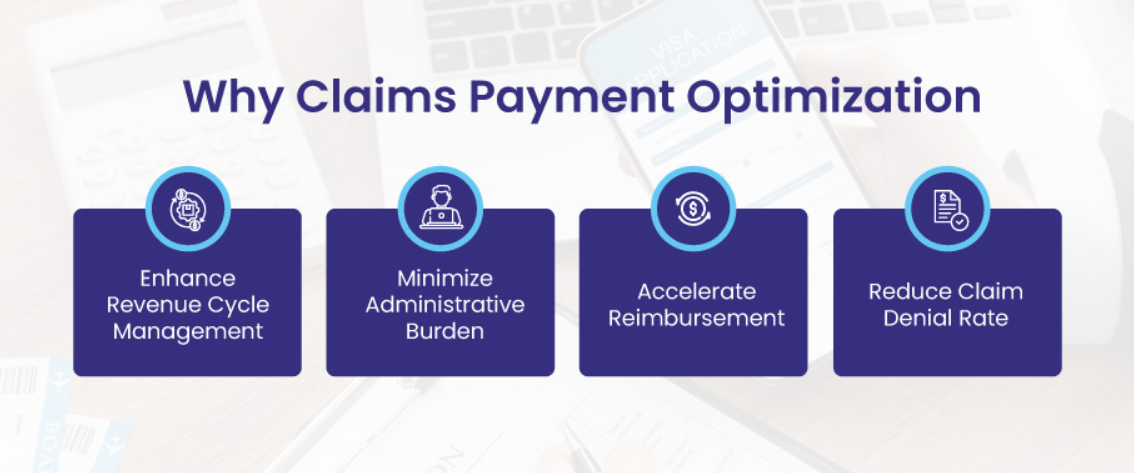
Many healthcare practices face pressure to maintain clinical excellence while also managing complex administrative tasks. Claims processing is one of the most time-sensitive and technically demanding functions in a medical office. Errors or delays can lead to denials, delayed payments, and frustrated staff. When a practice chooses to outsource claims processing to a specialized partner, it shifts the burden of this complexity to teams that focus on coding accuracy, payer rules, and denial management. That strategic shift can transform revenue performance by reducing lost charges, accelerating reimbursements, and freeing clinicians and office staff to concentrate on patient care and retention.
Direct revenue gains from expert claims handling
Outsourced claims specialists bring deep knowledge of evolving coding standards and payer-specific requirements. This expertise reduces the frequency of common errors that trigger denials or audits. When claims are submitted correctly the first time, the average days in accounts receivable drop and cash flow improves. Outsourcing can also introduce more proactive denial prevention tactics, such as pre-submission eligibility verification and peer-reviewed coding audits. Over time, these measures consistently increase clean claim rates, reduce rework, and recapture revenue that would otherwise be written off.
Operational efficiencies and staff productivity
Beyond direct financial benefits, outsourcing claims processing creates operational efficiencies that ripple through a practice. Administrative staff who previously spent hours on claim corrections, appeals, and follow-up calls can be reassigned to patient-facing tasks, appointment coordination, or care management initiatives that enhance satisfaction and retention. Practices often find that morale improves when staff are no longer bogged down by repetitive administrative work. The outsourced partner assumes the routine yet critical workflows, such as tracking payer updates and maintaining claims submission systems, which removes the need for a practice to invest heavily in training and infrastructure.
Scalable solutions for fluctuating demand
Healthcare practices rarely have constant volumes. Seasonal fluctuations, unexpected provider leaves, or sudden practice growth can create peaks and valleys in claims workload. Outsourced claims teams operate with scalable resources and can absorb volume spikes without a practice having to delay hiring or pay overtime. This scalability also supports expansion plans: whether adding providers, opening locations, or introducing new services, a reliable outsourced partner can adapt quickly to increased claims volume while maintaining accuracy and timeliness.
Technology integration and analytics-driven improvement
A mature outsourcing partner brings sophisticated claims technology and analytics that many small or midsize practices cannot afford to develop in-house. These platforms automate repetitive tasks, perform real-time eligibility checks, and flag inconsistencies before claims are submitted. Analytics provide actionable insights into denial trends, payer performance, and provider-specific coding patterns. Armed with this data, a practice can make targeted improvements to documentation, scheduling, and coding practices, which further enhances revenue capture and reduces administrative waste.
Compliance and risk mitigation
Regulatory compliance is non-negotiable, and mistakes can carry financial and reputational risks. Outsourced claims processors keep pace with changes in coding guidelines, payer policies, and audit requirements. They typically maintain compliance programs and regular staff training to minimize exposure to billing errors that might trigger audits or penalties. For practices working with government payers or complex specialty services, an experienced partner can help navigate nuanced billing scenarios and maintain documentation standards that withstand scrutiny.
Measuring ROI from outsourced claims processing
Evaluating the return on investment for outsourcing requires tracking multiple metrics. Clean claim rates, denial rates, days in accounts receivable, and net collections per adjusted patient visit are key indicators of financial health. Practices should compare these metrics before and after outsourcing, while accounting for the cost savings from reduced staff overtime and lower technology investments. Many practices discover that outsourcing not only pays for itself through improved collections but also improves predictability of revenue, making financial planning more reliable.
Choosing the right partner for lasting results
Selecting an outsourcing vendor is more than a price comparison. A strong partner aligns with the practice’s culture, communicates transparently, and offers customizable workflows that reflect the practice’s unique payer mix and specialties. Implementation should include a clear transition plan, defined service level agreements, and access to ongoing performance dashboards. Ask prospective partners about their experience with similar practices, their approach to denial prevention, and how they handle escalations. References and case studies can reveal real-world results and help set realistic expectations.
Implementation steps and continuous optimization
Successful implementation typically starts with a baseline audit to identify current revenue leakage and operational bottlenecks. During the transition, collaborative testing of claim submissions and clear documentation of workflow responsibilities reduce disruption. Once live, regular performance reviews and continuous improvement cycles help fine-tune processes. Practices that commit to shared goals with their outsourcing partner—such as target clean claim rates or reduced appeals timelines—see sustained revenue improvements over months rather than weeks.
Integrating ancillary services for a full revenue cycle uplift
Outsourcing claims processing often pairs well with other revenue cycle functions, including eligibility verification, patient billing, collections, and medical billing services. Bundling these services can create a cohesive revenue cycle strategy that eliminates handoff friction and reduces errors.
Long-term strategic benefits
Outsourcing claims processing is not merely an operational decision; it is a strategic investment in a practice’s financial resilience. By leveraging external expertise, technology, and scalable resources, practices gain the agility to respond to payer changes, pursue growth opportunities, and focus on delivering better patient outcomes. The shift also creates bandwidth for leadership to develop new services or partnerships that further diversify revenue. Ultimately, the right outsourced claims strategy aligns administrative efficiency with clinical priorities, turning a historically burdensome function into a driver of sustained practice success.
Event Information
 Event Venue:
 Date:
Date:
 Phone:
 Website:
 Address:
 Ticket Rate:







Add Your Directory With Us
Boost your visibility with our Business Directory

Add Your BCard With Us
Open the door to new professional connections.
DayOfDubai
Business Services
