
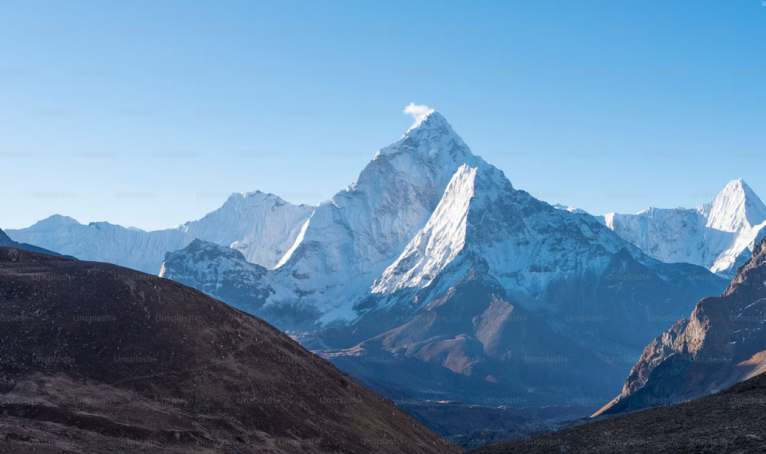
Mount Everest Expedition 2026: What’s New and What to Expect
A symbol of great human perseverance and discovery is the Mount Everest expedition (8,848.86 meters). Climbers come to Nepal every year, representing various parts of the globe, attracted by its unrivaled grandeur and the desire to be at the top of the world.
The mountain is not just attractive in the sense that it is so high, but in the fact that it is an adventure. Everest remains to motivate people to challenge their boundaries and be a part of the biggest challenge that nature offers by means of legendary summits up to the present-day expeditions.
In 2026, the Mount Everest Expedition creates some groundbreaking trends: adjusted climbing rules, better safety standards, and initiatives for environmental sustainability. The benefits of technology, logistics, and climber training have made improvements and changed the way expeditions are viewed and organized.
This blog gives insight into what is new and what to anticipate in 2026, in terms of new permit regulations and route conditions, cost of expeditions, tips on preparation, and mountain living. Everest can be climbed by anyone, whether you are a climber or a dreamer; the changing tale of Everest awaits you.
Everest in 2026: The Changing Face of the World’s Highest Mountain
The 2026 Everest year indicates how technologies and contemporary mountaineering are still changing high-altitude climbing. Expeditions have been made safer, more efficient, and better coordinated through satellite communication, real-time weather forecasting, and an advanced oxygen system, which has never been experienced before.
There are also enhancements with respect to route management, which also involves the laying of fixed ropes by the experienced Sherpa teams and enhanced rescue logistics with the use of helicopters. These improvements aid in streamlining the bottlenecks, dealing with the inherent risks of altitude, and ensuring safety during the critical summit window.
The government has proposed mandatory training and medical fitness verification, but not been enforced nationwide yet. The safety standards set by the licensed operators will be high, which will ensure that the Everest expeditions in 2026 are more sustainable, organized, and responsible than in the past years.
Permit Rules and New Regulations
To enhance safety and responsibility, the Nepal Department of Tourism and the Nepal Mountaineering Association have polished the policies of permits for the Everest in 2026. Climbers are now required to provide a detailed record of experience and medical aptitude qualifications certificates before being given formal sanction to venture out on an expedition.
High altitude insurance has been made mandatory for both the climbers and the support staff. Each expedition must maintain an approved guide-to-client ratio, ensuring adequate supervision, communication, and emergency response throughout the climb to maintain the highest safety standards.
In 2026, permit fees are still approximately USD 11,000 per foreigner from the Nepal side. The deposit (US $4,000/team) is refunded upon verified waste return via liaison officer — not per individual.
Expedition Route Options: South (Nepal) vs. North (Tibet)
The Nepal route to the South Col is the most popular and reached option to choose in case of the 2026 Everest expedition. It has well-developed logistics, experienced Sherpa services, and direct access to Lukla with gradual development of the acclimatization stages via the Khumbu Valley.
The North Ridge Tibet trail is both a dry and windy trail with technical difficulties. Less dense and a bit cheaper, the existing permit regulations and volatile border policies complicate the planning of starting trips on the Tibetan side.
The majority of climbers in 2026 will prefer the expedition from the Nepal side as the regulations are always consistent and the infrastructure is improved. The South route is technically easier but physically more crowded. The north route is windier and colder but less crowded.
Technology, Gear, and Safety Upgrades
The 2026 Mount Everest Expedition season welcomes the adoption of hi-tech technology to improve the performance and safety. Lightweight, digitally regulated oxygen delivery systems, new altitude masks, and efficient thermal clothing are now in use by climbers to tolerate the very severe conditions of the Himalayas.
Drones (operated from base camp and Camp 2) and GPS tracking have become part of the management of expeditions. It is now possible to keep track of climber movement, evaluate avalanche areas, and organize rescue more precisely, which helps a great deal to eliminate risks when pushing towards the summits and unexpected weather conditions.
There is up-to-date communication equipment in the form of enhanced weather forecasting tools, which give real-time data to the meteorological centers. In the meantime, experienced Sherpa staff and commercial services keep routes safer, well-informed, and with proper camp management, well-conducted and responsible ascents throughout the mountain.
Environmental and Ethical Climbing in 2026
The 2026 Everest season in Nepal is a continuation of in favor of cleaner, more ethical climbing. Governmental bodies and tourism entrepreneurs are developing a mandatory waste-return policy and recycling management at the base camp.
The policies of Leave No Trace policy is becoming widespread among all large operators. The teams are required to gather their trash, use less single-use plastics, and join base camp recycling efforts. Solar energy, biodegradable supplies, and carbon-neutral logistics are increasingly becoming a part of eco-focused expeditions.
Clean-up drives by Nepali soldiers and Sherpa volunteers take place annually, led by SPCC, to clean up Everest. These initiatives have been able to eliminate tons of trash and waste materials, which are geared to the future of having sustainable and responsible mountaineering throughout the Himalayan space.
Cost Breakdown for Everest Expedition 2026
The price of participation in the 2026 Mount Everest Expedition typically varies between USD 45,000 and USD 75,000 (plus), depending on the amount of service, logistics, and route. The prices are based on the enhanced safety level and experienced Sherpa support, along with the environmentally friendly expedition management.
Key items covered are a USD 11,000 permit, oxygen, staff arrangements, Sherpa salaries, food, equipment, insurance, and flights in a round trip. There are other expenses used on satellite communication, rescue cover, and environmental deposits.
Luxury trips include comforts such as heated tents, personal guides, and communications, while the standard packages put focus on a safe and comfortable journey.
What’s New for Climbers in 2026
The Everest climbing season of 2026 presents some of the innovative changes that will make expeditions safer, smarter, and sustainable. The implementation of digital climbing permits is under pilot testing, resulting in less paperwork and enhancing transparency. Satellite monitoring systems assist officials in monitoring climber movement, which improves the coordination of rescue and also ensures that the climbers follow the approved routes and altitude safety measures.
Innovation in terms of improved logistics, enhanced management of fixed-line, and the quick-response rescue strategies is still controlled by Nepali operators and Sherpas. These changes render the 2026 season as one of the well-organized and the most safety-oriented in the history of Everest.
Conclusion
The Mount Everest Expedition 2026 opens for a wide range of travelers. Technology, safety, and sustainability are coming together to preserve the heritage of the mountain, at the same time providing a safer and more fulfilling experience to the mountain climbers.
Training and instructional professionalism have become a key to success in Everest. There are tighter training, environmental logistical provisions, and better rescue mechanisms that are most likely to encourage the climbers to be responsible in their activities and respect the environment most respectfully.
Everest 2026 is the call to be the next great adventure of the world. Accept the challenge, respect the Himalayas, and your adventure will be a memorable experience.
Event Information
 Event Venue:
 Date:
Date:
 Phone:
 Website:
 Address:
 Ticket Rate:






Add Your Directory With Us
Boost your visibility with our Business Directory

Add Your BCard With Us
Open the door to new professional connections.
DayOfDubai
Business Services
