
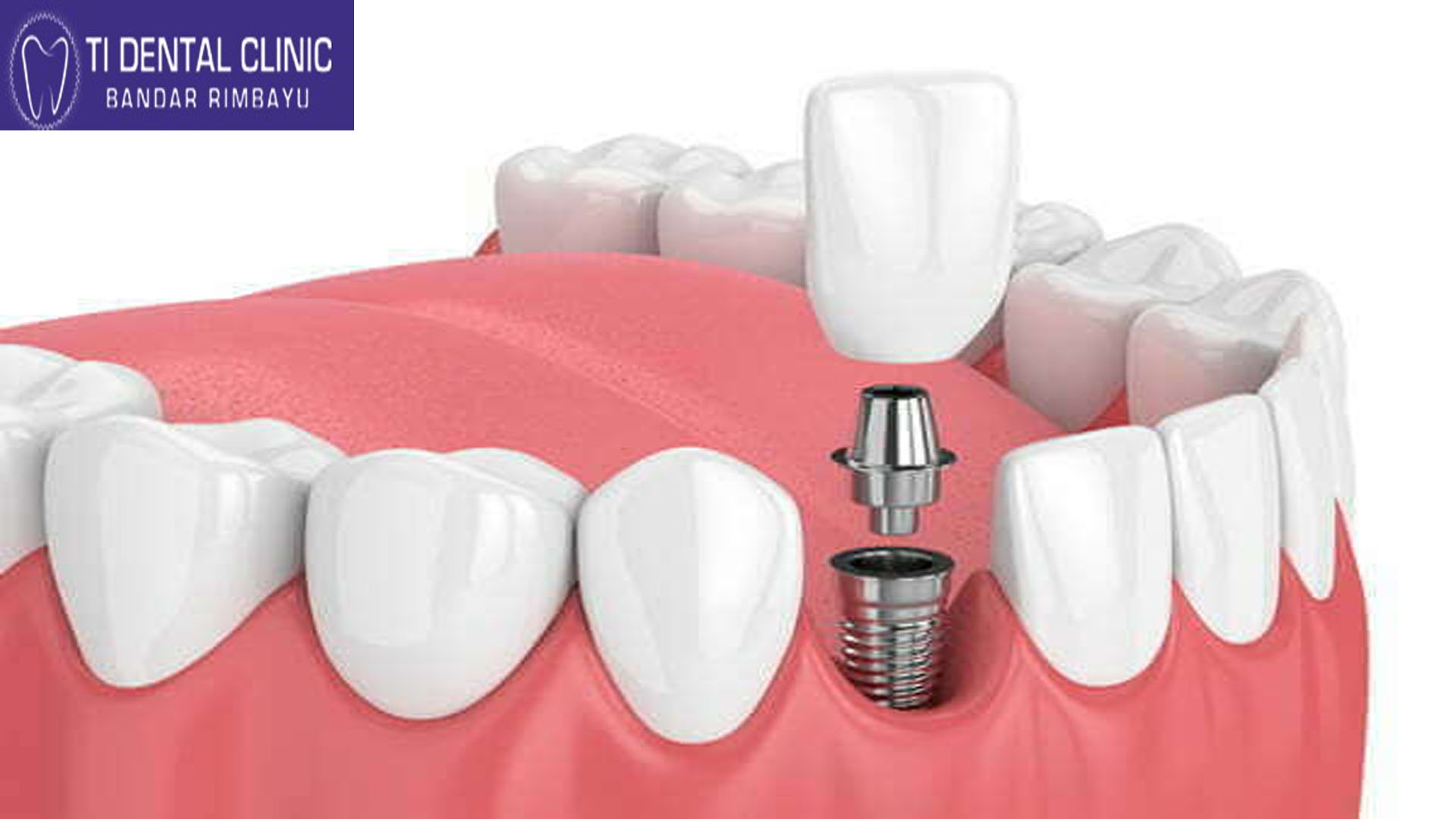
Long-Term Care and Maintenance of Teeth Veneers — Protecting Your Smile Investment
Introduction Teeth veneers provide remarkable cosmetic improvements, but maintaining their appearance and durability requires proper long-term care. While veneers are designed to resist stains and wear, they are not indestructible. Patients who invest in veneers should understand how daily habits, oral hygiene, diet, and professional dental care affect veneer longevity. Good maintenance not only preserves the veneers themselves but also protects the underlying teeth and surrounding gums. This article explores the essential aspects of veneer care, including hygiene routines, dietary habits, protection from damage, professional maintenance, and long-term cosmetic preservation. Understanding Veneer Longevity Modern veneers are highly durable. Average lifespans include: Porcelain veneers: 10–15 years or longer Composite veneers: 4–8 years Longevity depends heavily on maintenance and lifestyle habits. Daily Oral Hygiene Good hygiene protects both veneers and natural teeth. Brushing Patients should brush at least twice daily using: Soft-bristled toothbrushes Non-abrasive toothpaste Aggressive brushing may damage surfaces. Flossing Daily flossing removes plaque between teeth and along gumlines. Healthy gums are essential for aesthetic results. Mouthwash Alcohol-free mouthwash is often recommended. Maintaining gum health preserves veneer appearance. Preventing Veneer Damage Certain habits increase the risk of damage. Avoid Hard Objects Patients should avoid: Ice chewing Pen biting Opening packages with teeth Hard candies Excessive force may chip veneers. Teeth Grinding Bruxism can damage veneers over time. Night guards are commonly recommended. Dietary Considerations Although porcelain resists stains, good dietary habits remain important. Foods and Drinks That May Stain Composite Veneers Coffee Tea Red wine Tobacco Moderation helps preserve appearance. Acidic Foods Excessive acid exposure may affect bonding and enamel. Balanced diets support oral health. Regular Dental Visits Professional maintenance is essential. Dentists monitor: Veneer integrity Gum health Bite alignment Plaque buildup Professional cleanings help maintain aesthetics. Veneer Repairs and Replacements Even durable veneers may eventually require repair. Minor Chips Composite repairs are often straightforward. Major Damage Porcelain veneers may require replacement. Prompt treatment prevents further complications. Gum Health Around Veneers Healthy gums frame veneers aesthetically. Poor gum health may cause: Inflammation Recession Exposure of margins Good hygiene and dental care preserve gum appearance. Whitening and Veneers Veneers do not respond to whitening treatments. Patients considering whitening should usually whiten natural teeth before veneer placement. Future whitening may create color mismatches. Smoking and Veneer Appearance Smoking negatively affects oral aesthetics. Effects may include: Gum disease Staining of composite veneers Bad breath Reduced oral health Avoiding tobacco improves long-term outcomes. Sports and Physical Protection Athletes should wear mouthguards. Mouthguards help protect: Veneers Teeth Lips Jaw structures Protection is especially important in contact sports. Psychological Benefits of Maintaining Veneers Patients often feel more confident maintaining attractive smiles. Long-term cosmetic success may improve: Self-esteem Social confidence Professional image Smile maintenance contributes to emotional well-being. Cost Value of Proper Maintenance Preventive care protects the patient’s financial investment. Replacing damaged veneers can be expensive. Routine maintenance is more cost-effective than major repairs. Veneers and Aging Natural aging affects: Gum contours Facial structure Tooth wear Periodic cosmetic updates may be desired over time. Technology in Veneer Maintenance Modern dentistry uses advanced tools. Examples include: Digital imaging Intraoral cameras Laser gum therapy High-polish ceramic materials Technology improves long-term monitoring. Ethical Cosmetic Dentistry and Maintenance Dentists should educate patients about: Realistic expectations Maintenance responsibilities Replacement timelines Long-term success requires cooperation between patient and dentist. Common Myths About Veneers Myth 1: Veneers Last Forever All veneers eventually require maintenance or replacement. Myth 2: Veneers Do Not Need Cleaning Surrounding gums and teeth still require excellent hygiene. Myth 3: Veneers Look Fake Modern veneers can appear extremely natural when properly designed. Future Developments in Veneer Dentistry Researchers continue improving: Ceramic strength Ultra-thin materials Digital smile design Biomimetic dentistry AI-assisted aesthetics Future veneers may become even more conservative and durable. Conclusion Long-term care is essential for preserving the beauty, durability, and function of teeth veneers. Proper hygiene, healthy habits, regular dental visits, and protection from excessive forces all contribute to successful outcomes. Patients who maintain veneers carefully often enjoy many years of improved appearance, confidence, and smile satisfaction. Veneers are not only cosmetic restorations but also significant investments in self-image and oral aesthetics. By understanding how to care for veneers properly, patients can maximize their longevity and continue enjoying healthy, beautiful smiles for many years. Dental paediatrician
Event Information
 Event Venue:
 Date:
Date:
 Phone:
 Website:
 Address:
 Ticket Rate:







Add Your Directory With Us
Boost your visibility with our Business Directory

Add Your BCard With Us
Open the door to new professional connections.
DayOfDubai
Business Services
