
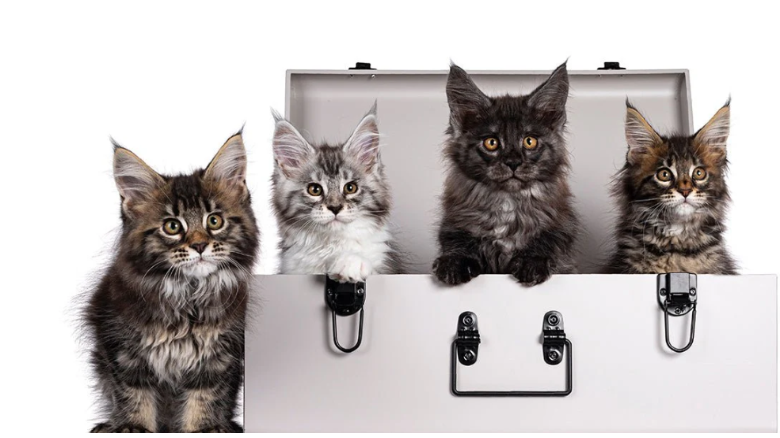
How to Choose the Best Self Cleaning Litter Box for Maine Coons
If you share your home with a Maine Coon, you already know the daily struggle. These gentle giants produce waste proportional to their impressive size, and a standard litter box often means scattered litter across your floor, lingering odors that greet you at the door, and a cleaning routine that feels never-ending. Scooping multiple times a day quickly becomes exhausting, especially when your twenty-pound cat seems to treat the box like a sandbox excavation site. Self-cleaning litter boxes offer a modern solution that can dramatically reduce the time and effort involved in maintaining a fresh, hygienic space for your Maine Coon. But here's the challenge: not every automated litter box is built to handle a cat of this size and temperament. How do you find one that genuinely fits your Maine Coon's needs while keeping both comfort and convenience in mind? This guide is designed specifically for new cat adopters navigating the overwhelming world of self-cleaning litter boxes, helping you make a confident, informed choice that keeps your cat happy and your home clean.
Understanding Maine Coon Care: Why Size and Behavior Matter
Maine Coons aren't just slightly larger than average cats—they're in an entirely different category. Males typically weigh between 15 and 25 pounds, with some reaching even higher, and their bodies can stretch over 40 inches from nose to tail tip. This substantial frame means they need equipment designed with their proportions in mind, not afterthoughts adapted from standard-sized cat products. When a Maine Coon steps into a litter box that's too small, they can't position themselves comfortably, which often leads to accidents outside the box, stress-related avoidance, or even urinary issues from holding waste too long. Beyond physical size, these cats have distinct behavioral patterns that influence their litter box experience. They tend to be methodical diggers who spend considerable time covering their waste, and many prefer a sense of enclosure or privacy while doing so. A self-cleaning litter box designed for average cats simply won't accommodate the combination of physical bulk and behavioral needs that define this breed. Understanding these factors is the foundation of making a smart purchase.Size and Weight Considerations for Large Cats
When evaluating a self-cleaning litter box for your Maine Coon, dimensions matter more than marketing labels. Look for an interior space of at least 20 inches wide and 25 inches long—anything smaller forces your cat into cramped positions that discourage regular use. The weight capacity of the unit is equally critical, as the cleaning mechanism must reliably detect and respond to a cat weighing 20 pounds or more. Many automated boxes are calibrated for cats in the 8 to 12 pound range, meaning their sensors may malfunction or trigger prematurely with a heavier cat. Undersized boxes also create practical problems: litter gets kicked out more easily when there isn't enough room to dig, and the waste compartment fills faster, requiring more frequent emptying. If your Maine Coon consistently hangs over the edge or hesitates before entering, the box is too small.Behavioral Traits Affecting Litter Box Preferences
Maine Coons are known for their vigorous digging habits—they often dig deep before and after elimination, scattering litter in the process. This means a self-cleaning box needs high walls or a partially enclosed design to contain the mess without making your cat feel trapped. Many Maine Coons also prefer privacy during bathroom use but dislike fully enclosed spaces that restrict their movement or limit escape routes. A box with a generous opening but raised sides strikes the right balance. Additionally, these intelligent cats can be sensitive to noise and mechanical movement. A self-cleaning system that activates with loud motors or sudden motions may startle your Maine Coon, causing them to avoid the box entirely. Quiet operation with a delayed cleaning cycle—one that waits several minutes after your cat exits—respects their natural caution and ensures they associate the box with comfort rather than anxiety.Key Features of a Self-Cleaning Litter Box for Large Breeds
Choosing a self-cleaning litter box for a Maine Coon means looking beyond flashy app integrations and focusing on the mechanical and structural features that actually matter for a large breed. The entryway should be wide enough—at least 10 inches across—for your cat to enter without squeezing or brushing against sensors that might trigger the cleaning cycle prematurely. The cleaning mechanism itself needs to be robust enough to handle the heavier clumps that a large cat produces. Raking systems work well when they're powered by strong motors, but sifting or rotating designs often manage larger waste volumes more efficiently without jamming. Quiet operation isn't a luxury feature for Maine Coons; it's essential. Look for units that advertise noise levels below 50 decibels, roughly equivalent to a quiet conversation. Safety sensors should detect your cat's presence reliably at higher weights, automatically pausing the cycle if your Maine Coon re-enters unexpectedly. One often overlooked consideration is litter compatibility—these systems perform best with high-quality clumping litter that forms firm, easily separated clumps. Low-dust formulas protect both the mechanical components and your cat's respiratory health, while medium-grain sizes prevent particles from clogging the raking or sifting mechanism. Brands like Meowant have developed self-cleaning litter boxes with large-cat owners in mind, incorporating spacious interiors and reliable weight sensors suited for breeds like Maine Coons. Each of these features works together to create a system that genuinely serves your Maine Coon rather than frustrating both of you.Design Elements for Easy Access and Comfort
The entry height of a self-cleaning box matters more than many buyers realize. For Maine Coons, especially older ones or those with joint sensitivity, a step-in height of around 6 to 8 inches prevents strain while still containing litter inside the box. The interior should feel open enough that your cat can turn around completely without their body pressing against walls or the cleaning mechanism. Non-slip surfaces on the base and entry ramp give your large cat stable footing, which builds confidence and encourages consistent use. Some models offer removable hoods or adjustable covers that let you customize the level of enclosure—a valuable option since individual Maine Coons vary in how much privacy they prefer. Rounded interior corners also help, as they prevent litter from packing into crevices that are difficult to clean and allow the automated system to sweep waste more effectively toward the collection area.Cleaning Efficiency and Maintenance Requirements
Self-cleaning litter boxes vary significantly in how they handle waste, and understanding these differences helps you anticipate the real maintenance workload. Automatic raking systems pull clumps into a sealed compartment after each use, which works well for odor control but requires you to empty the waste drawer every two to three days with a large cat. Rotating globe designs sift clean litter through a screen and deposit clumps into a lined drawer below—these tend to handle heavy use better but need periodic deep cleaning of the interior sphere. Some units offer a manual mode override, which is useful during the acclimation period or if your cat uses the box multiple times in quick succession. The waste receptacle size directly impacts how often you'll interact with the system; look for compartments that hold at least three to four days' worth of waste for a Maine Coon. Lined drawers or compatible waste bags simplify disposal and keep the unit itself cleaner between full washes, reducing your overall litter box maintenance to minutes per week rather than daily scooping sessions.Litter Box Maintenance and Cat Comfort Tips
Even the best self-cleaning litter box requires your attention to keep it functioning well and your Maine Coon healthy. The automated cleaning cycle handles daily scooping, but it doesn't replace the need for regular litter replacement and system upkeep. Plan to fully swap out all litter every two to three weeks, as even clumping varieties break down over time, losing their absorbency and odor-trapping ability. Between full changes, top off the litter to maintain a depth of three to four inches—Maine Coons dig deeply, and insufficient litter depth leads to waste sticking to the bottom of the unit, creating hygiene problems the cleaning mechanism can't resolve. For litter selection, choose a low-dust clumping formula that forms tight, solid clumps. Dusty litter not only irritates your Maine Coon's respiratory system but also coats sensors and mechanical parts, shortening the lifespan of your investment. Odor control works best when you combine the automated cleaning with a carbon filter in the waste compartment, replacing it monthly or whenever you notice smells returning. Proper maintenance directly supports your cat's health—monitoring waste output during cleaning sessions helps you catch early signs of urinary issues or digestive changes, which Maine Coons can be prone to given their size.Hygiene Practices for Optimal Health
Establish a weekly routine that goes beyond what the automated system handles. Once a week, wipe down the interior surfaces with a damp cloth and a pet-safe enzymatic cleaner—avoid bleach or ammonia-based products, which leave residues that can deter your cat from using the box. Inspect the cleaning mechanism for stuck litter or hair buildup, particularly around raking tines or sifting screens where Maine Coon fur tends to accumulate. Monthly, disassemble removable parts and wash them with warm soapy water, allowing everything to dry completely before reassembly. Track your cat's waste patterns as you empty the receptacle; sudden increases in urine clumps or changes in stool consistency warrant a veterinary check. Keeping the waste drawer sealed between changes prevents odor from escaping into your living space and discourages bacterial growth inside the compartment.Enhancing Comfort with the Right Setup
Where you place the litter box matters as much as which one you buy. Choose a quiet, low-traffic area where your Maine Coon won't be startled by household activity or the sounds of appliances. Avoid placing it near their food and water stations, as cats instinctively prefer separation between eating and elimination areas. Position the box on a hard, level surface to ensure the cleaning mechanism operates smoothly and doesn't create vibrations or wobbling that might unsettle your cat. Place a large tracking mat in front of the entry—Maine Coons carry significant litter on their oversized paws, and a textured mat captures particles before they spread across your floors. If your home has multiple levels, consider providing access to a box on each floor, since large cats may avoid climbing stairs when they urgently need to go. Adequate lighting nearby helps older Maine Coons navigate to the box comfortably, while a nearby nightlight works well for evening use without disrupting their sense of privacy.Step-by-Step Guide to Choosing the Best Self-Cleaning Litter Box
With a clear understanding of what Maine Coons need and which features matter most, you can now approach the selection process methodically. Rather than impulse-buying based on advertising or aesthetics, following a structured approach ensures you invest in a system that genuinely works for your specific cat and living situation. This step-by-step process transforms an overwhelming decision into manageable actions that lead to a confident purchase.Step 1: Evaluate Your Cat's Specific Needs
Before browsing any products, spend a few days observing your Maine Coon's current litter box behavior. Measure your cat from nose to base of tail while they're in a natural standing position—this gives you the minimum interior length the new box requires. Weigh your cat accurately, since many self-cleaning systems list maximum weight limits that determine whether sensors and mechanisms will function correctly. Note how your cat enters and exits the current box: do they leap in from above, step in from the side, or hesitate at narrow openings? Watch their digging patterns—some Maine Coons are aggressive diggers who fling litter behind them, while others are more contained. Pay attention to whether your cat prefers open or partially covered spaces, and whether they startle easily at mechanical sounds. Document how many times daily they use the box, as this affects how quickly waste receptacles fill and how frequently the cleaning cycle runs. These observations create a personalized checklist that filters out unsuitable options immediately, saving you from expensive trial and error.Step 2: Compare Features and Read Reviews
Armed with your cat's measurements and behavioral profile, narrow your search to models that meet the minimum dimensional and weight requirements you've identified. Cross-reference product specifications with your checklist—verify interior dimensions rather than exterior measurements, which include housing and motors that don't contribute to usable space. Prioritize reviews from other large-cat owners, as their experiences reveal real-world performance that manufacturer claims may not reflect. Look for consistent feedback about reliability over months of use, not just initial impressions. Check whether the unit carries safety certifications and whether the manufacturer offers a warranty that covers mechanical components. Pay attention to recurring complaints about specific issues like sensor sensitivity, noise levels, or jamming with heavier clumps. Compare ongoing costs including proprietary litter requirements, replacement filters, waste drawer liners, and spare parts availability. A unit with a lower purchase price but expensive consumables may cost more over its lifetime than a premium model with standard replaceable components. Create a shortlist of two or three options that balance your Maine Coon's comfort needs with practical maintenance demands and your budget constraints.Step 3: Make the Purchase and Implement Setup
Once you've selected your self-cleaning litter box, purchase from a retailer with a reasonable return policy—this gives you a trial window to confirm your Maine Coon accepts the new system. When the unit arrives, set it up in your chosen location but don't activate the cleaning mechanism immediately. Place it alongside your existing litter box with the same type of litter your cat already uses, allowing your Maine Coon to explore the new box without pressure. Most cats need five to seven days to voluntarily investigate and begin using an unfamiliar box. Once your cat uses it consistently, activate the cleaning cycle on its longest delay setting so the mechanism only runs well after your cat has left the area. Gradually shorten the delay over the following week as your cat demonstrates comfort with the sound and movement. Only remove the old litter box after your Maine Coon has used the self-cleaning unit exclusively for at least a full week without hesitation. During this transition, monitor for any signs of avoidance—standing outside the box, eliminating elsewhere, or excessive vocalization near the unit. If problems arise, extend the acclimation period rather than forcing the transition, and verify that the cleaning cycle timing and noise level aren't creating negative associations that undermine your cat's comfort with the new system.Building a Cleaner, Healthier Routine for Your Maine Coon
Finding the right self-cleaning litter box for your Maine Coon comes down to respecting your cat's size, understanding their behavioral preferences, and choosing a system built to handle the demands of a large breed. The essentials remain consistent: generous interior dimensions, reliable weight-sensing technology, quiet cleaning mechanisms, and a design that invites rather than intimidates your cat. Proper maintenance—regular litter replacement, weekly wipe-downs, and monitoring waste patterns—ensures the system performs reliably while supporting your Maine Coon's long-term health. The step-by-step selection process, from observing your cat's habits to managing a gradual transition, removes guesswork and protects your investment. As a new cat adopter, you're building habits now that will define your Maine Coon's comfort and your own daily routine for years to come. Take the time to measure, research, and acclimate thoughtfully. Your reward is a cleaner home, a healthier cat, and the satisfaction of knowing you've chosen a solution tailored to one of the most remarkable breeds you could welcome into your life.Event Information
 Event Venue:
 Date:
Date:
 Phone:
 Website:
 Address:
 Ticket Rate:







Add Your Directory With Us
Boost your visibility with our Business Directory

Add Your BCard With Us
Open the door to new professional connections.
DayOfDubai
Business Services
