
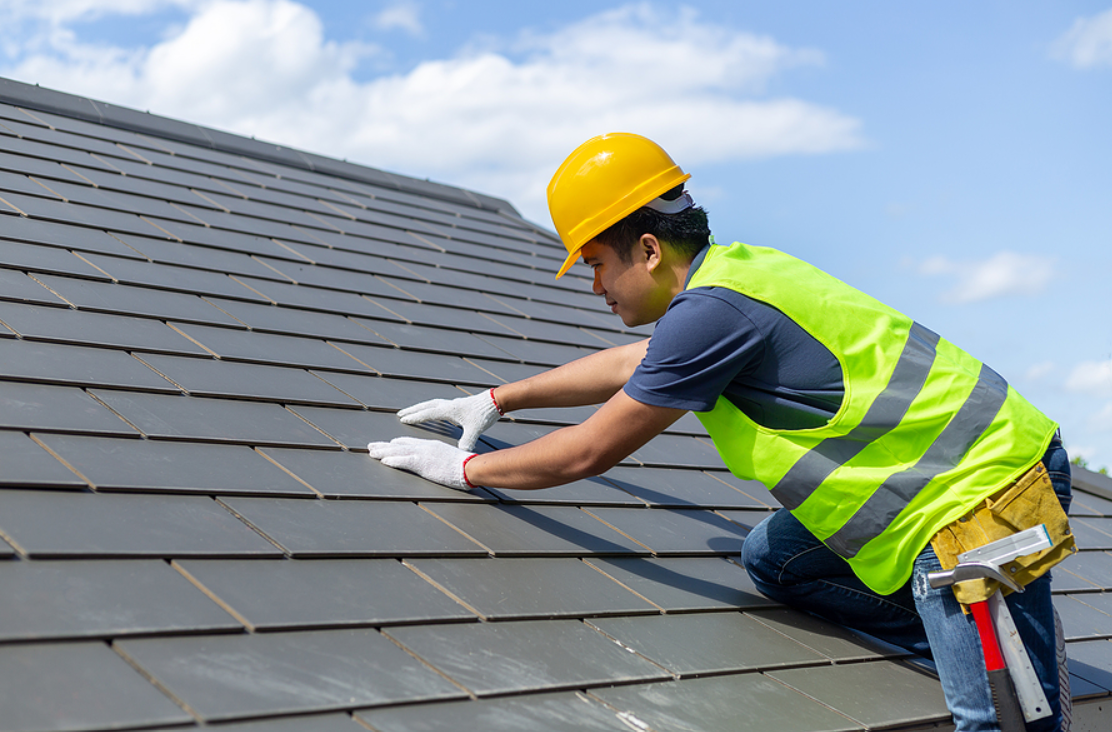
How Proactive Roof Maintenance Can Save Homeowners Thousands Over Time
A roof is one of the most important systems protecting a home, yet it’s often overlooked until a major issue appears. By the time leaks, mold, or structural damage become visible, the repair costs can quickly escalate. For homeowners, understanding the value of proactive roof maintenance can make the difference between manageable upkeep and expensive emergency repairs.
Routine inspections and timely repairs not only extend the life of a roof but also help preserve a home's energy efficiency, curb appeal, and resale value. In regions with changing weather patterns, seasonal storms, and high humidity, preventative care becomes even more essential.
Why Roof Problems Often Go Undetected
Unlike plumbing or electrical systems, roofing issues can remain hidden for months or even years. Small cracks, lifted shingles, or flashing failures may not immediately show signs inside the home. Water intrusion often starts subtly, slowly affecting insulation, wood framing, and attic ventilation before noticeable symptoms appear.
Many homeowners assume that if there are no ceiling stains or active leaks, the roof is in good condition. Unfortunately, roofing deterioration can happen quietly. Wind exposure, heat, UV radiation, and moisture gradually weaken roofing materials over time.
Common warning signs include:
- Missing or curling shingles
- Granules collecting in gutters
- Sagging rooflines
- Rising energy bills
- Mold or mildew in the attic
- Damaged flashing around chimneys and vents
- Water spots near ceilings or walls
Addressing these signs early is almost always less expensive than waiting for larger structural problems to develop.
The Financial Benefits of Preventative Maintenance
Roof replacement is one of the largest home improvement expenses a homeowner may face. While every roof eventually reaches the end of its lifespan, preventative maintenance can significantly delay that timeline.
A well-maintained roofing system offers several financial advantages:
Lower Repair Costs
Minor issues like cracked flashing or a few damaged shingles are relatively inexpensive to repair. Left untreated, however, these small problems can lead to water damage, insulation replacement, mold remediation, and even structural repairs.
Improved Energy Efficiency
Damaged roofing systems can compromise ventilation and insulation performance. Heat transfer through an aging roof may force HVAC systems to work harder, increasing monthly energy costs. Proper ventilation and roof integrity help maintain indoor comfort more efficiently.
Increased Property Value
Potential buyers often view roof condition as a major factor during home inspections. A documented history of maintenance and recent inspections can increase buyer confidence and reduce negotiation issues during a sale.
Extended Roof Lifespan
Routine inspections, gutter cleaning, and timely repairs can add years to a roof’s useful life. This allows homeowners to maximize their investment before committing to a full replacement.
Seasonal Challenges That Affect Roofing Systems
Different climates create different roofing stresses, but nearly every region experiences weather conditions that gradually wear down roofing materials.
Heavy Rain and Moisture
Consistent exposure to rain can weaken underlayment materials and expose vulnerable areas around flashing, valleys, and roof penetrations. Moisture buildup also increases the risk of mold growth and wood rot.
Wind Damage
Strong winds can loosen shingles, damage edges, and expose the roof deck beneath. Even moderate wind damage can create entry points for water.
Heat and UV Exposure
Extended sun exposure causes roofing materials to expand and contract repeatedly. Over time, this weakens shingles and accelerates aging.
Storm Debris
Falling branches and airborne debris can puncture or scrape roofing surfaces. After storms, even seemingly minor impacts should be inspected carefully.
Because weather-related wear accumulates gradually, scheduling regular inspections after major storms is a practical way to identify hidden damage before it worsens.
What Professional Roof Inspections Typically Include
Professional inspections go far beyond a quick visual assessment from the ground. Experienced roofing contractors examine the entire roofing system to identify current damage and potential vulnerabilities.
A thorough inspection may include:
- Shingle condition assessment
- Flashing and sealant evaluation
- Gutter and drainage review
- Attic ventilation inspection
- Moisture detection
- Structural integrity checks
- Storm damage documentation
Modern roofing companies may also use drone technology to inspect hard-to-reach areas more accurately and safely. This allows homeowners to receive detailed visual reports without unnecessary disruption.
For homeowners looking to better understand roof replacement options, inspections, or exterior improvement strategies, idealroofingandexteriors.com provides additional context on roofing systems and maintenance considerations.
The Importance of Gutters and Exterior Systems
Roof performance is closely connected to the condition of gutters, siding, and drainage systems. Even a high-quality roof can experience premature wear if water is not directed away from the structure properly.
Clogged or damaged gutters may cause water to back up beneath shingles or pool near the foundation. Similarly, deteriorating siding can allow moisture infiltration that affects both exterior walls and roof edges.
Homeowners often focus solely on shingles while overlooking these connected systems. A more comprehensive exterior maintenance approach helps protect the entire structure more effectively.
When Repairs Are No Longer Enough
While maintenance can dramatically extend roof life, every roofing system eventually reaches a point where replacement becomes more practical than repeated repairs.
Several factors may indicate replacement is the better option:
- Roof age exceeding expected lifespan
- Widespread shingle deterioration
- Recurring leaks
- Significant storm damage
- Structural sagging
- Extensive mold or moisture issues
In these cases, delaying replacement may increase overall costs by allowing additional damage to spread throughout the home.
The key is making informed decisions based on inspection findings rather than waiting for emergencies.
Building a Long-Term Maintenance Plan
One of the most effective ways homeowners can protect their investment is by establishing a consistent roof maintenance schedule. This doesn’t necessarily require frequent repairs or major expenses. Instead, it involves periodic evaluations and preventative action.
A practical maintenance plan may include:
- Annual professional inspections
- Post-storm roof evaluations
- Routine gutter cleaning
- Tree trimming near rooflines
- Attic ventilation monitoring
- Prompt repair of minor damage
Consistency matters more than complexity. Small preventative actions performed regularly can substantially reduce the likelihood of major roofing failures.
Conclusion
Roof maintenance is not simply about avoiding leaks. It’s about protecting the long-term value, safety, and efficiency of a home. Homeowners who take a proactive approach often spend less over time while avoiding the stress and disruption associated with emergency repairs.
By understanding how roofing systems age, recognizing early warning signs, and scheduling regular inspections, homeowners can make smarter decisions that extend the life of their property. Preventative care may seem minor in the short term, but over the years, it can deliver substantial financial and structural benefits.
Event Information
 Event Venue:
 Date:
Date:
 Phone:
 Website:
 Address:
 Ticket Rate:







Add Your Directory With Us
Boost your visibility with our Business Directory

Add Your BCard With Us
Open the door to new professional connections.
DayOfDubai
Business Services
