
Choosing the Right Onsite Waste Container for Your Project
Selecting the proper onsite waste container is a decision that affects project efficiency, safety, and cost. Whether you're overseeing a home renovation, a commercial construction site, or a community clean-up, the container you choose will influence how smoothly debris is handled from start to finish. This guide walks through practical considerations that help you match container size, type, and placement to the unique demands of your project.
Assess the Scope of Waste
Begin by evaluating the kinds of materials your project will generate. Construction and demolition projects commonly produce mixed loads of wood, drywall, concrete, metals, and packaging. Yard work results in organic green waste, branches, and soil. Interior renovations may create fine dust and delicate fixtures that require careful handling. Identifying whether your waste stream is predominantly bulky, heavy, or recyclable will determine whether you need a heavy-duty roll-off, a compactor, or multiple containers for separation. Estimating volume is equally important; small residential jobs may need a 10- to 20-yard container, while large commercial projects can require multiple 30- to 40-yard units. Overestimating slightly reduces the risk of costly overflow and delays, but oversizing can increase rental and permit costs.
Choose the Right Container Type
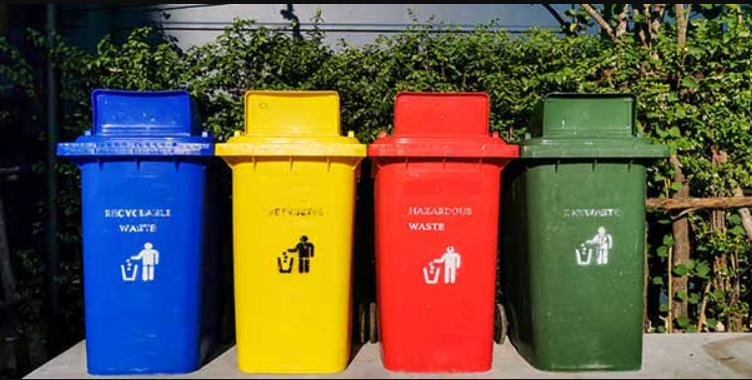
Different container types are engineered for specific uses. Roll-off containers are versatile and common for construction sites because they accept large, bulky items and are easy to load with heavy equipment. Front-load dumpsters work well for ongoing waste from occupied buildings like apartments or retail properties; they are designed for regular, repeated pickup. Compactors reduce volume by compressing waste and are best for projects generating consistent daily trash, such as large apartment renovations or events. Specialized containers are available for recycling streams—such as cardboard-only or metal-only bins—and for hazardous materials that require separate handling and certified disposal. Selecting the right container family reduces the need for on-site sorting and simplifies disposal logistics.
Site Logistics and Placement
Where you place a container on site can affect safety, access, and workflow. Choose a flat, stable surface that can support the container’s weight and resist damage from heavy loads. Consider driveway access, overhead obstructions like power lines, and turning radii for trucks delivering and removing units. If a container must sit on a street or sidewalk, check local regulations for permits and set-back requirements to avoid fines. Placement near the primary work area minimizes carrying distances and handling time, but ensure the location doesn’t block emergency routes, utilities, or pedestrian traffic. For sensitive surfaces like asphalt or pavers, use protective boards under container feet to prevent gouging. Communicate placement plans with the delivery company ahead of time to ensure the truck can safely navigate the route.
Regulations, Permits, and Environmental Considerations
Local regulations vary widely. Some municipalities require permits for container placement on public right-of-way, while others restrict how long a unit may remain in place. There are also rules governing the disposal of regulated materials such as asbestos, lead paint, or certain chemicals. Fines can quickly surpass any savings from improper disposal, so consult local waste authorities or the container provider to confirm compliance. Environmental stewardship should guide your decisions: segregating recyclables and diverting salvageable materials reduces landfill impact and can lower disposal fees. For jobs near waterways, secure containers and cover loads to prevent debris from blowing or washing into storm drains.
Safety and Jobsite Management
Safety protocols should be integrated with container selection. Open-top roll-off bins pose fall hazards; mark their edges and maintain clear walkways to prevent trips. Ensure heavy items are stable and that workers avoid climbing into containers. Heavy or sharp materials should be deposited flat to prevent punctures and reduce risk during transport. If vehicles or heavy machinery will load the container directly, verify that the unit’s design can withstand concentrated loads. Provide appropriate personal protective equipment for workers handling debris and arrange for frequent pickups if a container becomes overloaded. Regularly inspect containers for structural damage or excessive rust that could compromise safety.
Timing, Scheduling, and Cost Management
The rental period, delivery lead time, and pickup scheduling can all influence project timelines. Align container delivery with the start of heavy demolition or debris generation to avoid downtime. Many providers offer flexible scheduling or on-call pickups to handle unexpected surges in waste. Transparent pricing is crucial: confirm what is covered in the rate, such as delivery, pickup, weight allowances, and disposal fees. Ask about overage charges and potential additional fees for contaminated loads or prohibited items. For longer projects, compare flat-rate monthly rentals to per-haul pricing to determine which model is more cost-effective. If you need short-term service or a quick swap for a different size, explore local options like dumpster rental companies that offer rapid turnaround.
Maximizing Efficiency and Reducing Waste
Efficient on-site waste management reduces labor and transportation costs. Train crews to pre-sort materials where feasible, and use separate containers for recyclables and hazardous waste. Salvage materials such as fixtures, doors, and cabinetry that can be reused or resold. Maintain clear signage on each container to minimize contamination and speed sorting. Regularly review waste volumes and adjust container sizes or pickup frequency as the project evolves. Fine-tuning the system during the job prevents last-minute scramble and keeps the schedule on track.
Choosing the right onsite container is a combination of understanding the waste profile, knowing site constraints, complying with regulations, and planning logistics. Thoughtful selection not only keeps a project running smoothly but also protects workers, reduces environmental impact, and controls costs. With clear assessment and communication between project managers, crews, and disposal providers, you can create a waste management plan that supports the work rather than complicates it.
Event Information
 Event Venue:
 Date:
Date:
 Phone:
 Website:
 Address:
 Ticket Rate:







Add Your Directory With Us
Boost your visibility with our Business Directory

Add Your BCard With Us
Open the door to new professional connections.
DayOfDubai
Business Services
