
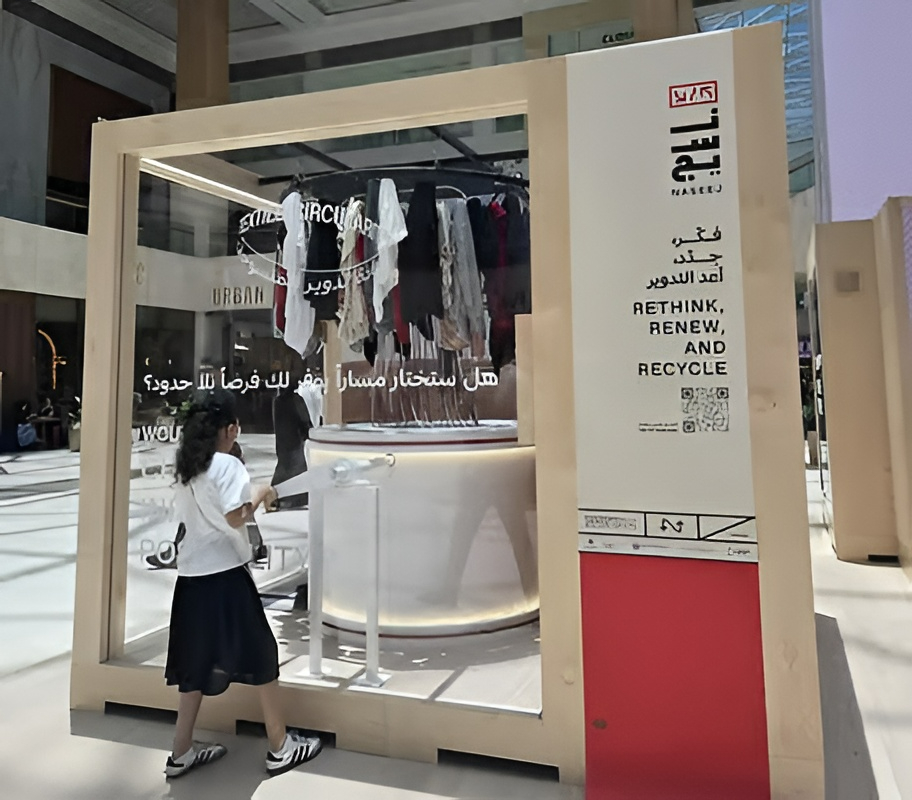
UAE Targets 80% Waste Diversion from Landfills by 2031 with Launch of National Textile Recycling Initiative
The UAE has unveiled an ambitious plan to divert 80 per cent of its waste away from landfills by 2031, placing textile waste management at the centre of its circular economy strategy through the launch of the new Naseej initiative.
The programme comes as the country generates approximately 220,000 tonnes of textile waste annually, with the vast majority currently ending up in landfills. Authorities are also working towards closing 11 landfill sites within the next three years as part of broader efforts to improve waste management and sustainability practices.
Launched under the directives of President Sheikh Mohamed bin Zayed Al Nahyan, the Naseej initiative seeks to establish dedicated collection systems and recycling pathways for unwanted clothing and textiles while encouraging residents and businesses to adopt more sustainable consumption and disposal habits.
The initiative has already secured the participation of 14 private-sector partners, including retailers and manufacturers, to support textile collection efforts and help develop future recycling solutions.
Speaking on the sidelines of the launch, Etienne Petit, Chief Executive Officer of Tadweer Group, said effective collection and segregation systems are essential to building a successful textile recycling ecosystem.
“The idea is to establish streams of waste that can be collected separately,” Petit said, emphasizing that different textile materials require different recycling processes and treatment technologies.
He explained that mixed waste remains one of the biggest obstacles to recycling. Textiles contaminated with food waste, paper, cardboard, or other household refuse often become unsuitable for recovery because materials cannot be effectively separated after disposal.
According to Petit, proper segregation is particularly important because fabrics such as cotton are relatively easy to recycle, while polyester and blended materials require more advanced and specialized treatment technologies.
The initiative forms part of Tadweer Group’s broader strategy to achieve an 80 per cent landfill diversion rate by 2031.
“We have 11 landfills to close in three years,” Petit said, highlighting the scale of the transformation required within the country’s waste management sector.
Statistics released during the launch indicate that the UAE consumes approximately 500 million textile items each year, with nearly 88 per cent of discarded textiles currently ending up in landfill sites.
Speaking at the launch event, Minister of Economy Abdulla bin Touq Al Marri said textile waste should be viewed as an economic resource rather than merely a disposal challenge.
He noted that the 220,000 tonnes of textile waste generated annually could be converted into new products, industrial inputs, and materials for sectors such as construction, creating new economic opportunities while reducing environmental impact.
The initiative also aims to encourage households to separate textile waste from general rubbish, supporting the development of recycling and recovery industries within the UAE.
As part of the programme’s public engagement efforts, residents visiting Yas Mall can collect specially designed Naseej bags for unwanted clothing and textiles. After filling the bags, users can scan a QR code to arrange collection, allowing items to be directed towards reuse, donation, or recycling channels.
Petit said the next phase of the initiative will focus on evaluating recycling technologies, infrastructure requirements, and potential financing models for future treatment facilities. Discussions are also underway regarding whether dedicated textile recycling plants should be established locally or through regional partnerships.
Despite current challenges, Petit stressed that discarded textiles retain significant value when managed correctly. Drawing on examples from Europe, he noted that recovered textile fibres can be returned to manufacturers for reuse, while non-recyclable materials can be utilized in waste-to-energy facilities to generate electricity.
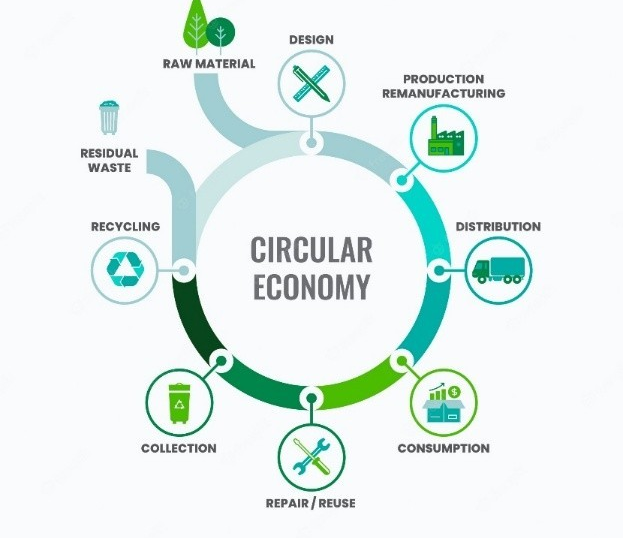
The launch of Naseej reflects growing global interest in circular economy solutions and sustainable resource management. With textile recycling rates estimated at only around one per cent worldwide, the UAE hopes the initiative will help create a comprehensive system that supports collection, recovery, recycling, and reuse while reducing reliance on landfill disposal.
Authorities believe the immediate priority is increasing public awareness, expanding collection networks, and ensuring textiles are separated from general waste before reaching landfill sites, laying the foundation for a more sustainable and resource-efficient future.






Add Your Directory With Us
Boost your visibility with our Business Directory

Add Your BCard With Us
Open the door to new professional connections.
DayOfDubai
Business Services
