

The greenwashing dilemma behind carbon offsets
As 2025 draws to a close, new scientific evidence is prompting a fundamental rethinking of global climate strategies, particularly the growing reliance on carbon offsets. A landmark study published in Scientific Reports has revealed that Africa’s forests — long considered one of the world’s most important natural carbon sinks — have become net sources of carbon emissions.
Led by researchers from the UK’s National Centre for Earth Observation at the universities of Leicester, Sheffield and Edinburgh, the study found that between 2010 and 2017, African forests released nearly 200 million tonnes of carbon dioxide annually, emitting more carbon than they absorbed. The findings mark a critical turning point in the global climate crisis, with far-reaching implications for biodiversity, atmospheric stability and international climate commitments.
The shift underscores the growing fragility of the planet’s natural defences against climate change and raises urgent questions about the credibility of forest-based carbon offset schemes, many of which are promoted by oil and energy companies as part of “net zero” strategies.
Why forests are no longer absorbing carbon
Forests traditionally act as carbon sinks by absorbing carbon dioxide through photosynthesis and storing it in biomass and soil. Africa’s tropical forests, particularly the Congo Basin, have historically played a central role in stabilising the global climate.
However, the new research shows that this balance has been disrupted by a combination of factors, including deforestation, forest fires, mining, shifting agriculture and soil degradation. Limited scientific understanding of how rare elements affect photosynthesis has also contributed to gaps in climate modelling.
As a result, African forests are losing an estimated 106 billion kilograms of biomass each year, transforming them from climate buffers into sources of emissions.
Carbon offsets under scrutiny
Globally, fossil fuel emissions reached approximately 37.4 billion tonnes of carbon dioxide in 2024. Africa’s forest emissions represent around 0.5 per cent of that total, but their symbolic significance is profound. Forests were meant to highlight nature’s role in climate solutions — not add to the problem.
Carbon offset mechanisms rely on the assumption that emissions generated in one place can be balanced by absorption elsewhere. Companies often justify continued fossil fuel use by investing in forest protection, claiming environmental and social benefits in return.
The latest findings challenge this logic. If forests are no longer absorbing carbon reliably, their use as offsets becomes increasingly questionable. Stored carbon can also be rapidly released through fires or land-use change, undermining claims of permanence and effectiveness.
Greenwashing and governance gaps
Critics argue that forest-based offsets risk becoming tools for greenwashing — projecting an environmentally responsible image without delivering real emission reductions. By purchasing carbon credits, companies can claim progress towards “net zero” while expanding fossil fuel production, creating the illusion of climate action without reducing atmospheric carbon levels.
Justice concerns also loom large. Offset schemes can threaten national sovereignty and marginalise local communities, particularly when vast tracts of land are commodified to balance emissions generated elsewhere. Promised financial commitments to developing nations under the Paris Agreement have also frequently fallen short.
A contradiction at the heart of climate policy
The contradiction was evident at COP30 in Brazil in 2025, where forest protection was emphasised alongside the expansion of carbon markets. While governments and corporations pledged billions towards forest credits, emerging science suggests that these ecosystems may no longer deliver the climate benefits assumed in policy frameworks.
This disconnect between scientific evidence and political practice risks turning climate pledges into public relations exercises rather than meaningful action.
Towards genuine climate solutions
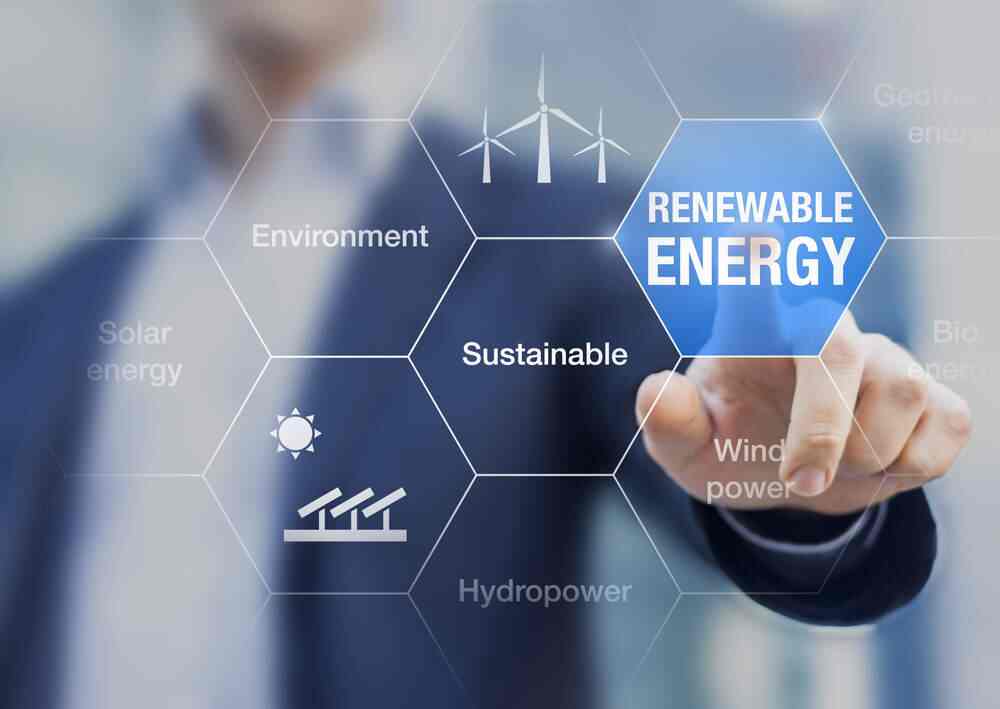
Experts argue that the path forward lies in prioritising real emission reductions over accounting mechanisms. This includes accelerating the transition away from fossil fuels, investing heavily in renewable energy, and protecting forests for their intrinsic ecological and social value — not as offsets for continued pollution.
Stricter rules around carbon markets, including additionality, verification and permanence, are also needed to restore credibility.
A global wake-up call
The revelation that Africa’s forests have become net carbon emitters serves as a global warning. While protecting these ecosystems remains essential for biodiversity, livelihoods and climate resilience, such efforts must not be used to justify further fossil fuel expansion.
As the world moves beyond COP30, the challenge is clear: climate action must shift from symbolic balance sheets to structural transformation. Only by cutting emissions at the source and safeguarding forests for their inherent worth can global climate goals be achieved.






Add Your Directory With Us
Boost your visibility with our Business Directory

Add Your BCard With Us
Open the door to new professional connections.
DayOfDubai
Business Services
