
Sustainable Living Strategies: How the Circular Economy Transforms Waste into Valuable Resources
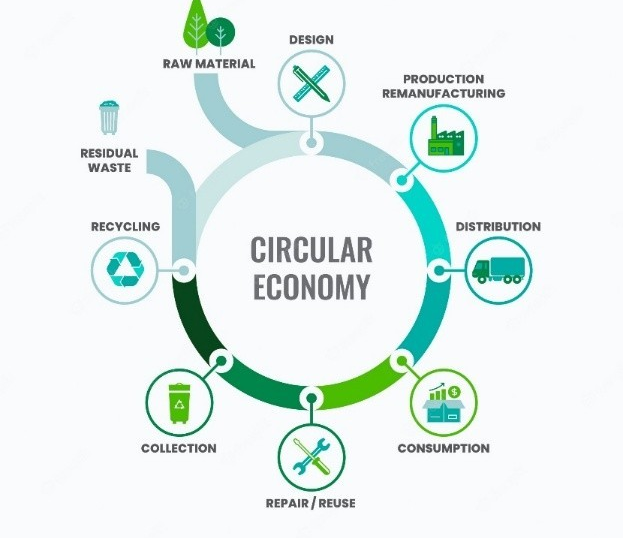
Growing global waste and rising consumption are accelerating interest in the circular economy, a model that aims to reduce disposal and extend the life of materials through reuse, repair, recycling and refurbishment. Sustainability advocates say this approach can help households and businesses convert waste streams into valuable resources while reducing pressure on landfills and natural ecosystems.
Each year, vast quantities of consumer goods — including plastics, electronics, textiles and packaging — are discarded worldwide. Studies indicate that a large share of product materials is thrown away shortly after purchase, even though much of that material still retains functional or recoverable value. Experts warn that the traditional linear model of “take, use and dispose” is increasingly unsustainable as populations grow and consumption rises.
The circular economy promotes an alternative framework built around reducing resource extraction and keeping products and materials in circulation for as long as possible. Instead of focusing only on end-of-life recycling, the model emphasizes smarter product design, longer usage cycles, repair culture and material recovery systems.
Rising relevance in high-growth regions
In fast-developing regions, including parts of the Middle East, higher living standards and convenience-driven consumption have contributed to rising volumes of waste. Municipal systems often face challenges managing growing flows of plastics, packaging, electronics and household goods.
Environmental planners note that landfill capacity is limited and raw materials are finite, making circular strategies increasingly important for long-term sustainability. Circular practices can lower environmental impact while also creating economic value through secondary material markets and reuse channels.
Everyday circular habits
Sustainability specialists say individuals can support circular living through practical daily choices. These include repairing items instead of replacing them, buying pre-owned goods, separating household waste for recycling, and donating usable clothes, toys and books. Reducing food waste through better meal planning and composting, as well as reusing containers and shopping bags, also contributes to lowering overall material consumption.
While each action may appear small, experts say widespread adoption across communities can significantly reduce waste volumes and shift consumer culture toward more responsible use of resources.
Circular approaches in business
Businesses are also adopting circular practices to improve efficiency and reduce disposal costs. Measures include segregating recyclable materials, reselling scrap inputs such as metals, organizing donation drives and establishing e-waste collection programs. Industry leaders say such initiatives often require operational discipline more than heavy capital investment.
Sustainability advocates argue that broader cooperation between companies, consumers and regulators will be necessary to scale circular systems and embed them into mainstream economic activity.
They add that achieving long-term environmental goals will depend on recognizing material resources as finite and designing systems that preserve value rather than discard it.







Add Your Directory With Us
Boost your visibility with our Business Directory

Add Your BCard With Us
Open the door to new professional connections.
DayOfDubai
Business Services
