

Maritime Training Courses in London: Building Skills for a Successful Career at Sea

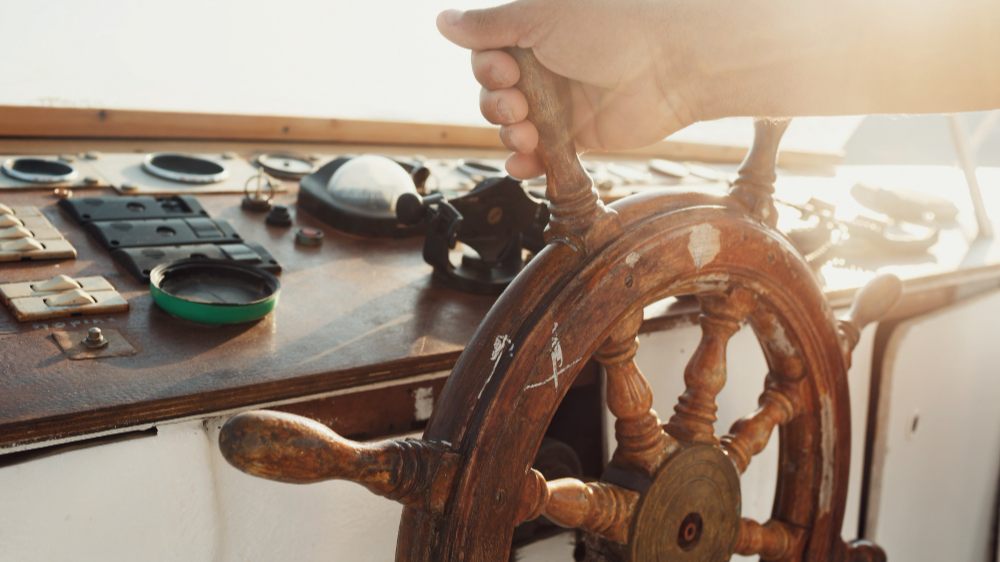
The maritime industry demands more than technical knowledge. It requires practical skills, safety awareness, and the confidence to respond effectively in challenging situations. That is why Maritime training courses in London have become an essential choice for aspiring seafarers, experienced professionals, and companies that want to maintain the highest standards of safety and compliance.
Whether you are starting your maritime career or looking to renew your certifications, choosing the right training provider can make a significant difference. Reputable institutions such as London Maritime Academy offer structured learning that combines internationally recognized standards with practical, hands on experience.
Why Choose Maritime Training Courses in London?
London has long been connected to global trade and maritime operations. Today, it continues to be a leading destination for professional maritime education. Enrolling in Maritime training courses in London gives learners access to experienced instructors, modern facilities, and training programs designed to meet international industry requirements.
Some of the key benefits include:
-
Training that aligns with international maritime regulations.
-
Practical exercises that prepare participants for real life emergencies.
-
Courses suitable for beginners and experienced seafarers.
-
Opportunities to improve career prospects both in the UK and internationally.
Quality training is not just about earning a certificate. It is about developing the skills needed to perform safely and confidently in demanding environments.
Essential Skills Every Maritime Professional Needs
Modern maritime operations require a combination of technical expertise and personal responsibility. The best training programs focus on both.
-
Safety Awareness
Safety remains the highest priority at sea. Participants learn how to identify hazards, reduce risks, and respond quickly during emergencies.
-
Emergency Response
From firefighting to survival techniques, practical emergency training helps build confidence before facing real situations on board.
-
Teamwork and Communication
Ships rely on effective communication between crew members. Strong teamwork improves operational efficiency and helps prevent costly mistakes.
-
Regulatory Knowledge
Understanding international maritime regulations helps professionals remain compliant while protecting both people and the environment.
From Real Experience
After working with maritime professionals and supporting organizations that invest in crew development, we have seen one lesson repeated time and again. The people who perform best during emergencies are rarely those with the most years at sea. They are often the ones who have completed practical, high quality training and continued refreshing their knowledge.
One example involved a crew member attending a refresher course after several years in the industry. Initially, he believed the training would simply repeat what he already knew. During a realistic emergency drill, however, he realized that some of his response techniques had become outdated. By the end of the course, he had improved both his confidence and decision making under pressure.
We have also seen companies struggle after selecting training providers based only on cost. While the initial savings seemed attractive, employees often required additional instruction later because practical skills had not been developed properly. Investing in quality training from the beginning usually saves both time and money while improving safety standards.
Common Mistakes When Choosing a Maritime Course
Selecting the wrong course can delay career progress and create unnecessary expenses. Before enrolling, avoid these common mistakes:
-
Choosing a provider without checking accreditation.
-
Focusing only on the lowest course price.
-
Ignoring practical training opportunities.
-
Failing to verify whether certifications meet employer requirements.
-
Waiting too long before renewing mandatory qualifications.
Taking time to compare training options helps ensure that your investment supports your long term career goals.
How to Get the Most Value From Your Training
Attending a course is only the first step. To maximize the benefits, approach training with the right mindset.
Before the course, review any study materials provided by the training center. During practical sessions, ask questions and participate actively instead of simply observing. After completing the program, continue reviewing key procedures and stay informed about changes in maritime regulations.
Professionals who regularly refresh their knowledge are generally better prepared for inspections, emergency situations, and career advancement opportunities.
Why Quality Training Supports Long Term Success
Employers increasingly look for candidates who demonstrate competence, professionalism, and a commitment to continuous learning. Completing recognized maritime training shows that you take safety seriously and are prepared to work in demanding environments.
Beyond helping individuals secure employment, professional training also contributes to safer vessels, stronger teams, and more efficient maritime operations. Every well trained crew member plays an important role in reducing risks and protecting lives at sea.
Conclusion
Choosing the right maritime training is one of the smartest investments any seafarer can make. The knowledge gained extends far beyond passing an assessment or receiving a certificate. It builds confidence, strengthens practical skills, and prepares professionals to handle real world challenges with competence and responsibility.
If you are serious about developing a successful maritime career, investing in high quality Maritime training courses in London is a decision that will continue to deliver value throughout your professional journey. By selecting an experienced provider such as London Maritime Academy, you place yourself in a stronger position to grow your career while contributing to safer and more effective maritime operations.