

How the Luxury Yacht Market Has Changed And What Today's Owners Are Actually Looking For

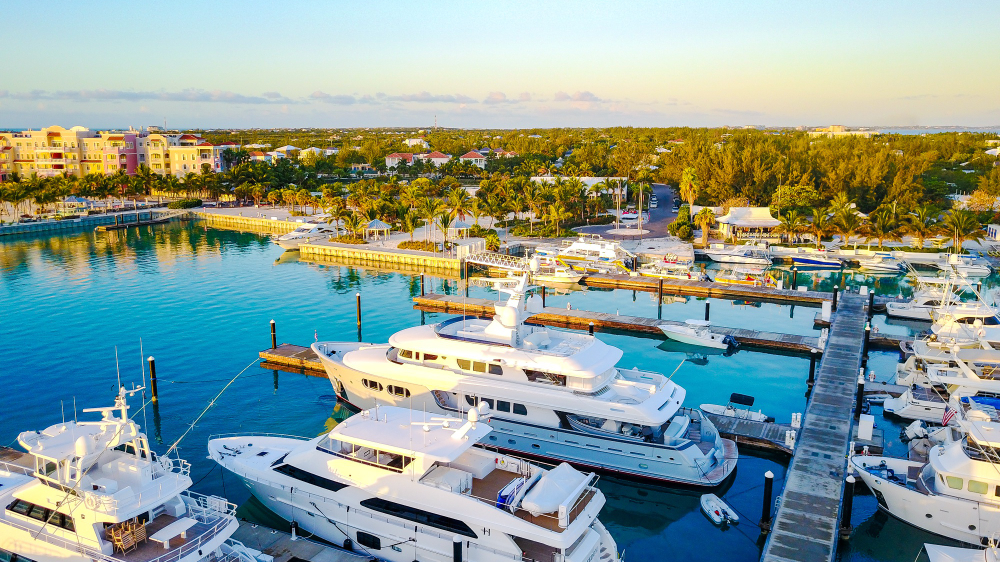
The buyer who walked into a yacht showroom fifteen years ago and the buyer doing the same today are making the same fundamental decision — to own something extraordinary on the water — but they're arriving at that decision from a very different set of expectations. The luxury yachts that are capturing the most serious ownership interest in 2026 are not simply larger or more expensive versions of what was desirable a decade ago. They reflect a shift in what owners actually want from life on the water: more space, more privacy, more capability, and a design philosophy that treats the yacht as a primary lifestyle environment rather than a vessel that happens to have comfortable accommodation. Understanding what has driven that shift — and what it means for the decisions serious buyers are making — is the starting point for navigating the current market intelligently.
The Privacy Imperative
If there is a single theme that runs most consistently through the evolution of luxury yacht design over the past decade, it is privacy. The superyachts generating the strongest ownership interest in 2026 are those that have rethought the relationship between indoor and outdoor spaces, between the owner's quarters and the guest and crew areas, and between the yacht as a social environment and the yacht as a private one.
This is not simply about square footage. A larger yacht doesn't automatically provide more privacy if the vessel's spatial organization hasn't been designed with that objective in mind. What serious buyers are looking for is thoughtful zoning — layouts that create genuine separation between the owner's domain and the rest of the vessel, outdoor spaces that feel genuinely private rather than exposed, and a flow between interior and exterior that gives the owner control over how much of the yacht's life they share with guests, crew, and the outside world.
The design directions gaining the most traction — larger deck spaces, private terraces off the owner's cabin, interiors built around natural light and visual connection to the water — all point toward the same underlying shift. Owners are spending more time on their yachts, and the vessels they're buying need to work as living environments, not just as capable and comfortable boats. That's a different design brief from the one that dominated the market a decade ago.
From Point-to-Point to Expedition Capability
A decade ago, the dominant model for luxury yacht ownership was primarily about coastal cruising — moving between established harbors and anchorages, with the infrastructure of marinas and port services as the assumed backdrop for the ownership experience. That model hasn't disappeared, but it has been joined by a very different ownership aspiration: the explorer yacht.
The growth of the expedition or explorer segment reflects a genuine shift in what a significant portion of serious yacht owners want to do with their vessels. The ability to reach destinations that aren't accessible from a conventional marina, to spend extended time at anchor without depending on shore-based services, and to operate comfortably in conditions and latitudes that would be beyond the range of a conventional motor yacht — these have moved from niche requirements to mainstream ownership considerations for a meaningful segment of the market.
Nomad explorer yachts represent this design philosophy applied to long-range ocean-going vessels — built for extended autonomy, capable of handling open-ocean passages, and designed to deliver the same standards of comfort and finish that owners expect from conventional superyachts, while extending the range of where those standards can be experienced. The buyer who chooses an explorer yacht is making a statement about how they intend to use their ownership — not just where they want to go this season, but what kind of relationship they want to have with the ocean over the course of their ownership.
Design as a Primary Consideration
Luxury yacht design has matured considerably as a discipline over the past decade, and the buyers most engaged with the current market are approaching the design conversation with a sophistication that reflects that maturity.
The earlier generation of luxury yacht buyers was frequently focused on specification — size, speed, range, the number and configuration of cabins, the maker and model of the tender. These remain important, but they are increasingly secondary to the design conversation for buyers investing most significantly in the current market. How the spaces feel. How the yacht reads from the water and from the dock. How the interior design relates to the vessel's design language rather than feeling like a separate project imposed on a completed structure. The same attention to interior detail is increasingly visible across luxury residential spaces, where custom interior design and window treatments are used to create a more cohesive and personalized environment.
How indoor and outdoor living spaces connect has become one of the most actively developed areas in luxury yacht design. Terraces that open directly from saloons or owners' cabins, folding hull sections that create beach club environments at water level, and the general movement toward lighter, more transparent interiors that blur the distinction between being inside and being on the water — these are the design directions that the most engaged buyers in the current market are actively seeking.
Technology on Board
Connectivity is where the gap between life ashore and life at sea has closed most visibly. Five years ago, an owner who needed to stay connected to their business and family while underway was making genuine compromises. That's no longer the case. Satellite solutions now deliver reliable, high-bandwidth internet access both underway and at anchor — and for a generation of buyers who treat digital connectivity as a baseline rather than a bonus, that change has fundamentally altered what extended yacht ownership looks like in practice. The same expectations extend to onboard entertainment, with today's luxury owners increasingly expecting high-quality home entertainment and 4K streaming experiences wherever they spend their time.
Navigation and vessel management systems have also developed significantly. Integrated bridge systems that give owners and captains a complete operational picture of the vessel — from engine performance to weather routing to anchorage planning — have become standard expectations rather than premium additions. The yacht that requires significant specialist knowledge to operate comfortably is being replaced by one where the technology supports confident operation across a wider range of conditions and crew profiles.
Sustainability has moved into the specification conversation in a way it hasn't before. Solar integration, hybrid propulsion, and a lower environmental footprint are no longer features that buyers consider after everything else is decided. A growing segment of serious buyers is specifying them from the outset. The ability to reduce dependence on conventional fuel for hotel loads and low-speed cruising through solar integration is gaining real traction — not as a gesture toward environmental responsibility, but as a genuine operational preference among buyers who apply the same thinking to their yacht as they do to every other significant decision in their lives.
What Serious Buyers Are Actually Asking
The questions that characterize a serious luxury yacht buyer in 2026 are different in emphasis from those that characterized the same buyer a decade ago. Size and speed remain relevant, but they are less likely to be the opening question. What buyers are more likely to open with is something about how the vessel lives — how the spaces feel to be in over an extended period, how the layout serves the owner's specific pattern of use, how the design holds up when the yacht is being used as a primary lifestyle environment rather than a weekend destination.
The builder relationship has also become a more significant part of the consideration. Buyers who are making a substantial investment in a vessel that they intend to own and use over many years are increasingly focused on what the relationship with the manufacturer looks like across the ownership life — not just the delivery, but the service infrastructure, the after-sales relationship, and the manufacturer's ongoing commitment to the vessel's performance and value.
They're also questions that separate builders who can genuinely answer them from those who can't. Manufacturing infrastructure, design capability, and after-sales service network are not equally developed across the market. For buyers making a decision of this scale, the gap between builders who meet the ownership expectations brought to the conversation and those who don't is consequential.