
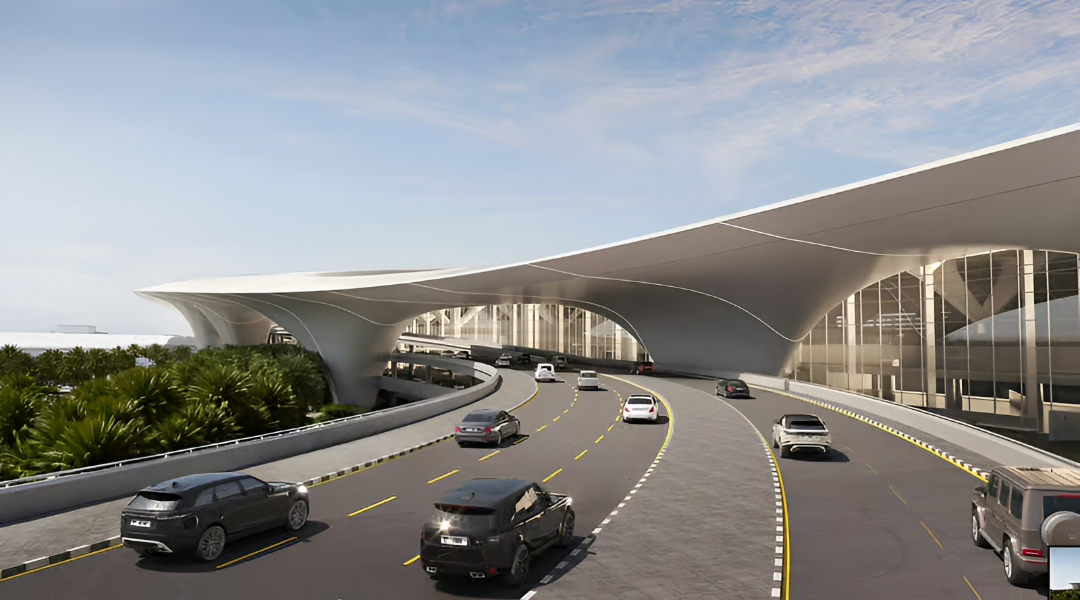
Dubai’s Future Airport: Trains to Terminals, No Check-In Queues and Bags Ready in Minutes at Al Maktoum International
Dubai is building what could become one of the most advanced airports in the world, with passengers expected to check in before reaching the terminal, travel between airport zones via underground trains, and collect their luggage within minutes of arrival.
The vision is taking shape at Al Maktoum International Airport (DWC), a Dh128-billion development at Dubai World Central that is scheduled to begin operations in 2032 and ultimately become the world's largest aviation hub.
Designed to transform the passenger experience, the airport will integrate cutting-edge technologies, multimodal transport networks, and highly automated systems to eliminate traditional airport bottlenecks.
A Queue-Free Airport Experience
At the heart of the airport's design is a commitment to reducing waiting times and simplifying travel procedures.
Dubai Airports CEO Paul Griffiths previously described the concept as a “no red lights” airport, where passengers would no longer need to stand in lengthy queues for check-in, immigration, customs, security screening, or baggage drop procedures.
Instead, travellers could complete much of the process before arriving at the airport, including check-in and luggage drop-off during their journey. Upon reaching the terminal, passengers would proceed directly toward their departure gates through streamlined processing systems.
The approach aims to allow travellers to spend more time enjoying retail outlets, restaurants, lounges, and other airport amenities rather than waiting in line for formalities.
Underground Train Network to Connect the Airport
Given the enormous scale of the future airport, passenger mobility will rely heavily on automated transportation systems.
Al Maktoum International Airport will feature an underground Automated People Mover (APM) network that includes a multi-track train system with 14 stations. The network will connect terminals, concourses, and other key airport zones, enabling passengers to move efficiently across the vast complex.
The transport system is designed to minimize transfer times for connecting passengers and provide seamless access between flights.
In addition to internal transport, the airport will be integrated into broader regional transport networks, linking air, rail, and road infrastructure into a unified mobility ecosystem.
Potential Etihad Rail Connectivity
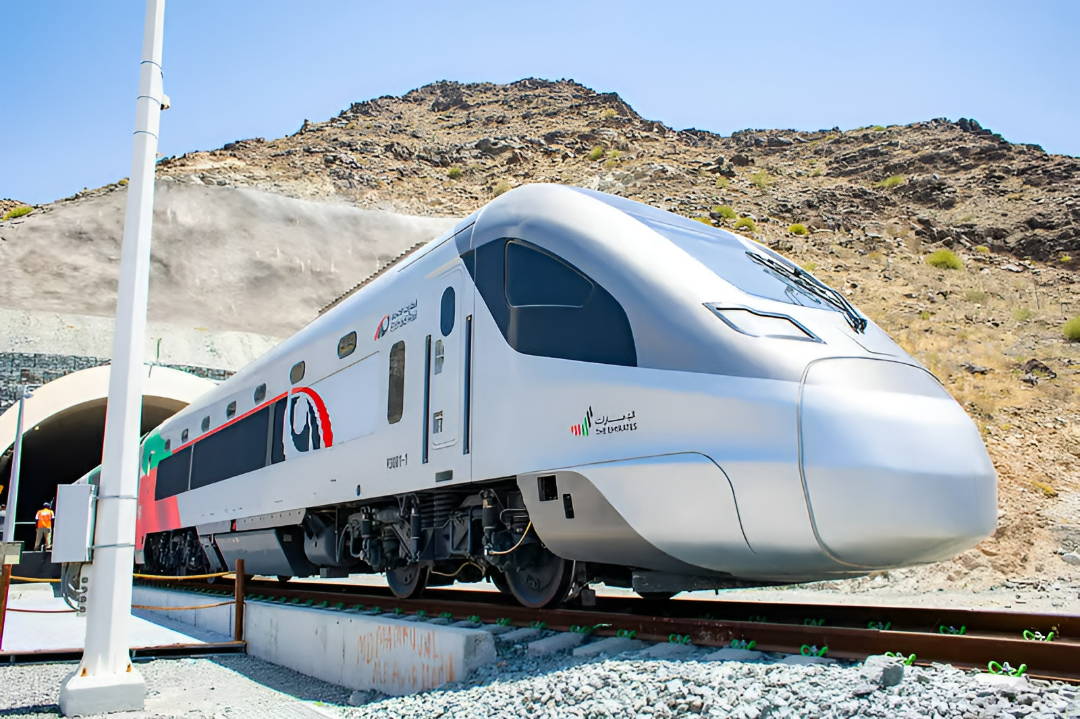
Future connectivity plans could see Etihad Rail serving Dubai World Central, allowing passengers to travel directly to the airport by train.
The concept may also enable travellers to complete airport formalities from railway stations before arriving at the terminal, further reducing processing times.
Meanwhile, plans are under consideration for an Airport Express Line connecting Dubai International Airport (DXB) and Al Maktoum International Airport. According to reports, the proposed 55-kilometre route would run between DXB in Al Garhoud and DWC in Jebel Ali, with five stations planned along the corridor.
Advanced Baggage Handling System
A major component of the airport's operational strategy is an advanced baggage handling system capable of processing tens of thousands of bags every hour.
The automated system will transport, screen, sort, and deliver luggage throughout the airport with minimal human intervention, helping improve efficiency for departures, arrivals, and connecting flights.
For arriving passengers, luggage is expected to be delivered within minutes, significantly reducing waiting times at baggage claim areas.
Capacity for 260 Million Passengers
Once fully completed, Al Maktoum International Airport will become the largest aviation hub in the world.
The airport is planned to accommodate more than 260 million passengers annually and handle up to 12 million tonnes of cargo each year.
Its master plan includes five independently operated parallel runways, two passenger terminals, seven concourses, and more than 430 aircraft stands, enabling the facility to manage unprecedented levels of passenger and aircraft traffic.
The development is expected to strengthen Dubai’s position as a global leader in aviation, tourism, logistics, and international trade.
Transition from Dubai International Airport
Authorities are preparing for the eventual transfer of all operations from Dubai International Airport (DXB) to Al Maktoum International Airport.
His Highness Sheikh Mohammed bin Rashid Al Maktoum previously stated that the new airport would be five times larger than DXB and would eventually accommodate all aviation operations currently handled by Dubai’s existing airport.
According to Paul Griffiths, the expanded capacity at DWC will allow the airport to fully absorb DXB’s traffic within the next decade. Once the transition is completed, DXB is expected to cease operations, as maintaining two major international airports in close proximity may not be economically viable.
With its focus on automation, connectivity, and passenger convenience, Al Maktoum International Airport is poised to redefine the future of air travel and set new global benchmarks for airport design and operations.


Add Your Directory With Us
Boost your visibility with our Business Directory

Add Your BCard With Us
Open the door to new professional connections.
DayOfDubai
Business Services
