
How Butterscotch and Caramel Flavors Elevate Beverage Menus
Taste can turn an average drink into a dish that the clients will not forget. With cafes, restaurants, beverage bars, and hospitality companies, some of the well-known ones like buttery sweetness and caramelized sugar provide sufficient space to be creative while appealing to a wide audience.
From espresso-based beverages up to blended beverages, the use of properly selected flavoring ingredients assists beverage professionals to come up with recipes that have familiar character. Syrup butterscotch combines butter and caramelized brown sugar, and the profile would be appropriate in an imaginative beverage concept needing sweetness and a warm, confectionery aspect.
Developing Richness in Coffee Drinks
Coffee inherently offers roasted, bitter, and aromatic flavors that complement sweeter flavors. Buttery/caramelized notes, should they be introduced in a considerate way, may help to smooth out the muddier edges of coffee and provide a secondary layer of flavor without diluting the unique flavor of the espresso.
These combinations can be investigated in the development of recipes in hot lattes, iced coffees, cold brews, and blends. The level of flavoring added ought to balance out the coffee base, milk and other ingredients and each component of the beverage should be visible in the final beverage.
A balanced coffee drink can concentrate on:
- Corresponding the sweetness with the intensity of the espresso.
- Choosing milk that promotes the desired mouthfeel.
- Modifying the amounts of flavor based on the size of serving.
- Reinforcing presentation with toppings or garnishes.
To beverage operators, this kind of flexibility allows confection-inspired profiles to have a useful role in creating seasonal specials or filling out permanent menus. The foundation can be made by a familiar taste, and coffee selection, temperature, texture, and presentation make each recipe a unique one.
Developing More Attractive Mixed Beverages
Mixed drinks provide a fantastic platform to build the flavors in layers since the texture of the beverages enables various elements to blend harmoniously. Drinks with a high body and a decadent finish can be made by adding ice, milk, coffee, beverage powders and other complimentary flavorings.
In these recipes, buttery brown-sugar aromas can be used to add a dessert quality. The components can be chocolate, espresso, and cream-based that can also support the profile and provide beverage developers with multiple directions on creating unique offerings that will fit cafes and other foodservice settings.
In planning to have a blended menu, operators may consider:
- The proportion of ice and liquid ingredients.
- Texture after blending
- Fit between coffee and confectionery notes.
- Complementary garnishes to the recipe, not overpowering it.
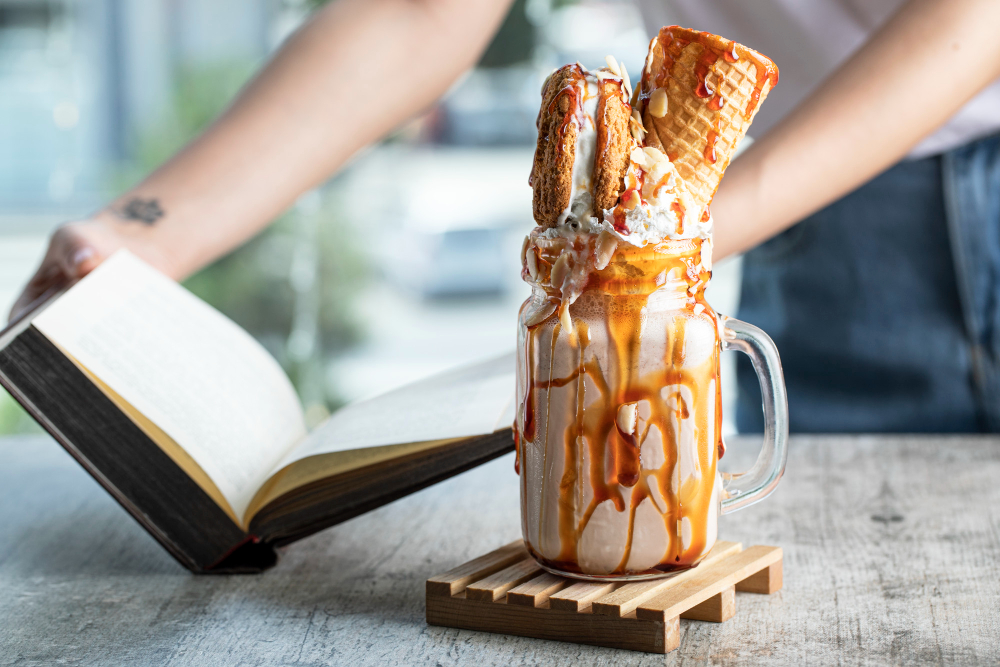
Design also counts when it comes to blended drinks. A beverage can also be made appear more refined, with whipped toppings, drizzles of chosen garnishes, or even a well-chosen garnish, all help the end product to convey its flavor before a customer has the first drop.
Discovering New Tastes and Flavors
Buttery tastes do not have to be confined to creamy coffee beverages. Their introduction into unfamiliar forms can be achieved through creative beverage development, such as recipes, which incorporate coconut water, citrus elements, tea, or sparkling elements. These combinations create possibilities of menus that are no longer held to traditional restaurant expectations.
The contrast is especially beneficial when dealing with a sweet profile. Citrus can bring in brightness whereas tea adds aromatic richness. Coconut water provides a cleaner base that can be experimented with, especially in cases where a dish is meant to provide refreshing, but not a very indulgent experience.
Examples of things that drink inventors can test include:
- Citrus and soda drinks.
- Tea-centered iced beverages
- Coconut water combinations
- Coffee recipes containing surprising refreshing ingredients.
Even in successful experimentation proportion is still required. Sweetness, acidity, bitterness, and texture have to collaborate, especially when the ingredients of various flavor families are in the same glass. Close testing enables the operators to hone the recipe till every ingredient has a definite role to play.
Caramel Sauce to Texture and Present
Sauces have a different purpose than liquid flavoring ingredients since they can serve both to add flavor and appearance since they are less viscous. Caramel obtained by heating sugar until caramelization sets in offers a well-known confectionery flavor and can be used to complement drinks, desserts, and some food uses.
Application possibilities include:
- Sauce being drizzled round the inside of serving glasses.
- Adding quantitative ingredients to mixed recipes.
- Topping whipped toppings with decorations.
- Combining caramel flavor with chocolate, chai or coffee ingredients.
In addition to outward looks, consistency is a factor in professional serving of beverages. Standardized measurements, assisting staff in reproducing recipes consistently across shifts, and the use of established preparation methods, assist in foreseeing consistent flavor and presentation of a dish, serving to serving.
Developing a Versatile Café Menu
A powerful beverage list has the advantage of ingredients that can be utilized in various recipe modes. Instead of developing one beverage based on a single flavor, beverage professionals have the ability to consider the performance of a core profile when it comes to espresso beverages, frappes, iced beverages, and other specialty products.
By taking this into account, menu planning can be made more focused.
- Hot/iced applications Hot/iced applications
- Coffee-based and non-coffee.
- Creamy or refreshing textures.
- Seasonal presentation opportunities
Meanwhile, recipe testing is still a necessity. Each base affects sweetness and aroma differently, and therefore, the quantities must be considered in each particular formulation. An espresso beverage measurement might need to be altered to a larger blended or sparkling beverage.
Final Thoughts
What would happen to a well-known caramelized taste to be the base of a more creative beverage menu? Such a possibility opens up the options of cafes and foodservice enterprises to test coffee, tea, blended beverages, refreshing mixes, and attractive finishes without sacrificing familiar taste profiles.
In the case of professionals who are interested in special flavors, DaVinci Gourmet provides a collection that consists of syrups, sauces, fruit mixes, beverage bases and concentrates used in the production of beverages. Its caramel product is characterized as a handcrafted sauce produced by slow cooking pure cane sugar until caramelized, causing DAVinci caramel sauce to be an alternative to operators seeking recipes with confectionery inspirations and sophisticated presentation of drinks.






Add Your Directory With Us
Boost your visibility with our Business Directory

Add Your BCard With Us
Open the door to new professional connections.
DayOfDubai
Business Services
