

UAE office rents rise as limited supply keeps market favourable for landlords
JLL reports show office vacancy rates tightening in Dubai and Abu Dhabi, while retail footfall remains resilient despite lower tourist volumes.

The UAE's office market continued to favour landlords in the third quarter of 2026 as limited new supply and sustained demand pushed vacancy rates lower and supported rental growth. Meanwhile, the retail sector remained resilient, with visits to community and regional malls holding up despite softer tourist numbers, according to the latest reports by property consultancy JLL.
No major office completions were recorded in Dubai or Abu Dhabi during Q3 2026. Citywide office vacancy rates tightened to 5.9 per cent in Dubai and 1.1 per cent in Abu Dhabi. Office rents in Dubai recorded double-digit annual growth across all property grades.
Both markets continued to register positive leasing activity during the quarter. In Abu Dhabi, demand was largely driven by lease renewals and businesses expanding their existing office space rather than relocating.
In Dubai, office enquiries increased from September following a quieter summer period. However, cautious business sentiment and geopolitical uncertainties continued to affect deal conversions, extending the time taken by occupiers to make leasing decisions.
Office rental growth expected to continue
JLL expects office rental growth to remain positive in Dubai and Abu Dhabi through the end of 2026, although market conditions are likely to differ between the two cities.
In Abu Dhabi, rent-freeze regulations are expected to influence the pace of rental increases. Significant rises are largely expected to be limited to long-term vacant properties, newly completed developments and spaces within Abu Dhabi Global Market (ADGM).
In Dubai, annual rental growth is expected to remain firm in the short term, although quarterly increases are likely to moderate as the market moves towards a more measured growth phase following the sharp rises recorded in previous years.
The fourth quarter is expected to bring approximately 956,000 square feet of new office supply in Dubai and 74,850 square metres in Abu Dhabi.
Pre-leasing activity is also gaining momentum as businesses seek to secure space amid limited availability. Landlords are expected to retain their negotiating advantage in the near term, although some may offer incentives depending on the property's location and individual circumstances.
Retail market maintains stable performance
The UAE retail market continued to demonstrate resilience during Q3 2026, supported by local consumer demand despite a decline in tourist volumes.
Abu Dhabi recorded a citywide retail vacancy rate of approximately 8.9 per cent, remaining broadly stable compared with previous quarters. In Dubai, retail vacancy fell to 4.4 per cent from 4.7 per cent in the previous quarter, reflecting tighter market conditions.
According to JLL, limited new retail supply and cautious expansion plans by brands are expected to keep vacancy levels relatively stable through the remainder of 2026. A clearer recovery in the sector is anticipated in 2027.
Retailers are also adjusting their strategies as major international brands consolidate their presence in super-regional malls. Landlords are responding by introducing private-label retailers, smaller international brands, compact dining concepts and flexible food halls to diversify their tenant mix.
The market is expected to remain supported as retailers prepare for the peak shopping season. A gradual shift in the UAE's tourist mix, including increasing arrivals from Southeast Asia, is also expected to offset some of the decline in visitors from traditional source markets.
Dubai rents remain firm as Abu Dhabi renewals increase
Retail rental conditions are expected to remain firm in Dubai, with landlords maintaining their positions and offering incentives or capital expenditure contributions selectively.
In Abu Dhabi, total retail rental registrations increased by 6.5 per cent year-on-year, supported by a 21 per cent rise in lease renewals.
Rental growth in the capital is expected to remain supported in areas where open-market pricing applies, including ADGM retail properties and newly completed developments. Elsewhere, rent-freeze regulations are expected to limit increases.
Limited office availability remains a challenge for businesses
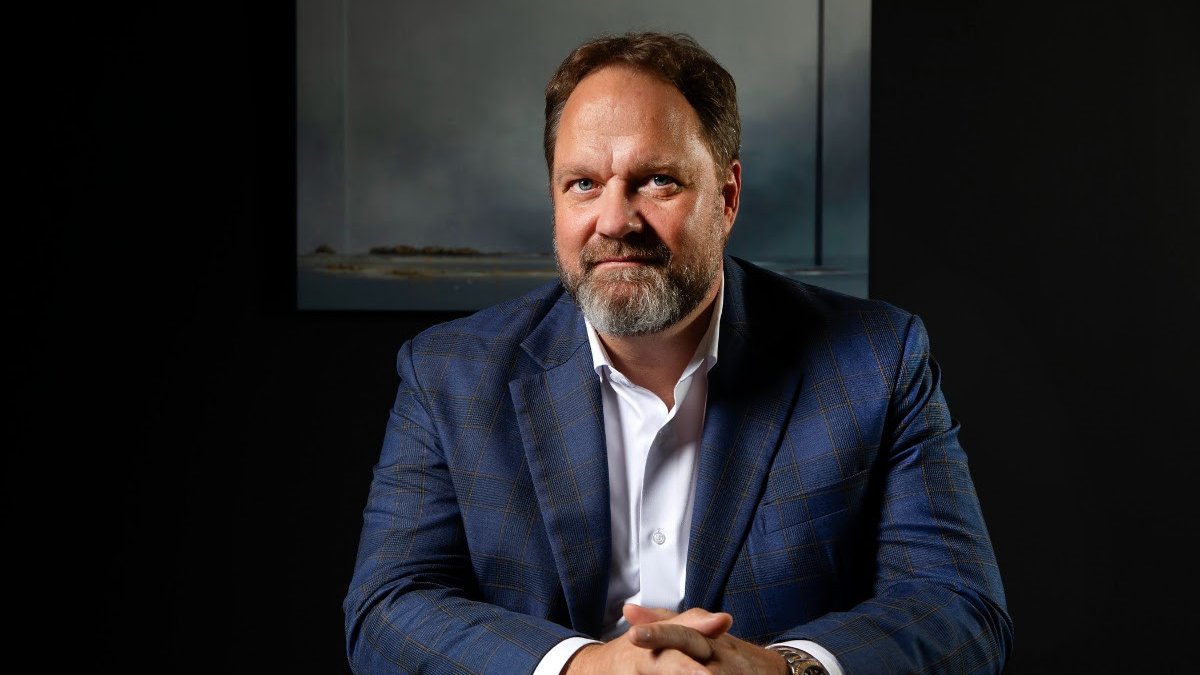
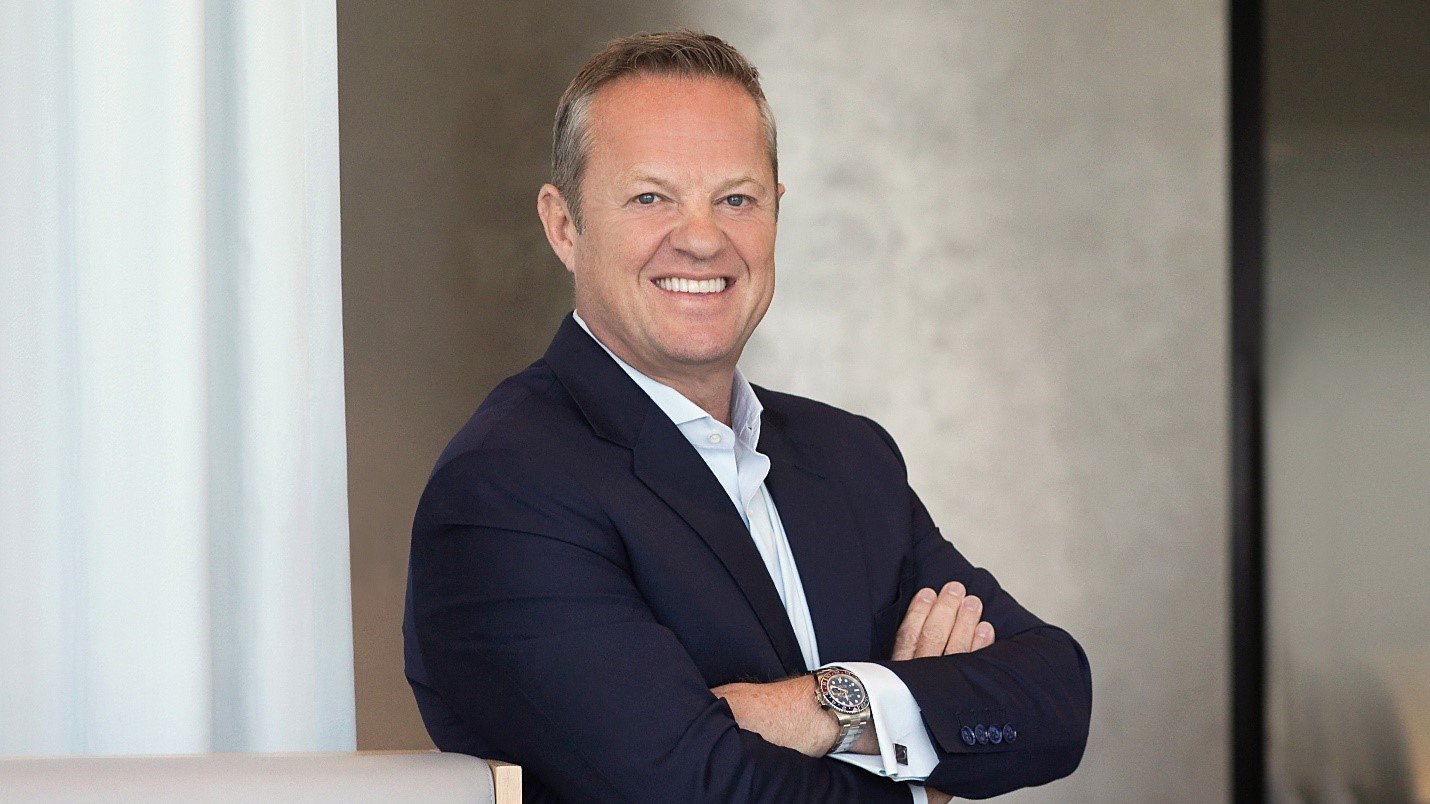
James Allan, Country CEO – UAE, Egypt and Africa at JLL, said businesses in Dubai and Abu Dhabi were competing for a limited supply of quality office space, with the absence of major completions during the quarter continuing to favour landlords.
He added that retailers were reassessing their space requirements, making it increasingly important for shopping mall owners to adapt their tenant mix to maintain competitiveness.
Allan noted that although new office deliveries expected in Q4 would provide additional supply, businesses were already securing space through pre-leasing arrangements.
As a result, the gap between occupier demand and available office space is expected to remain a defining feature of the UAE property market in the coming months.