

Abu Dhabi-designed WaterBin launches to tackle floating waste in marinas

The technology, incubated at Harvard Innovation Labs, will be deployed at major UAE boat shows as part of efforts to tackle marine pollution.
Abu Dhabi-based WaterBin, an innovative technology designed to remove floating waste from marinas, is set to make its official debut at the Abu Dhabi International Boat Show from November 19 to 22, 2026.
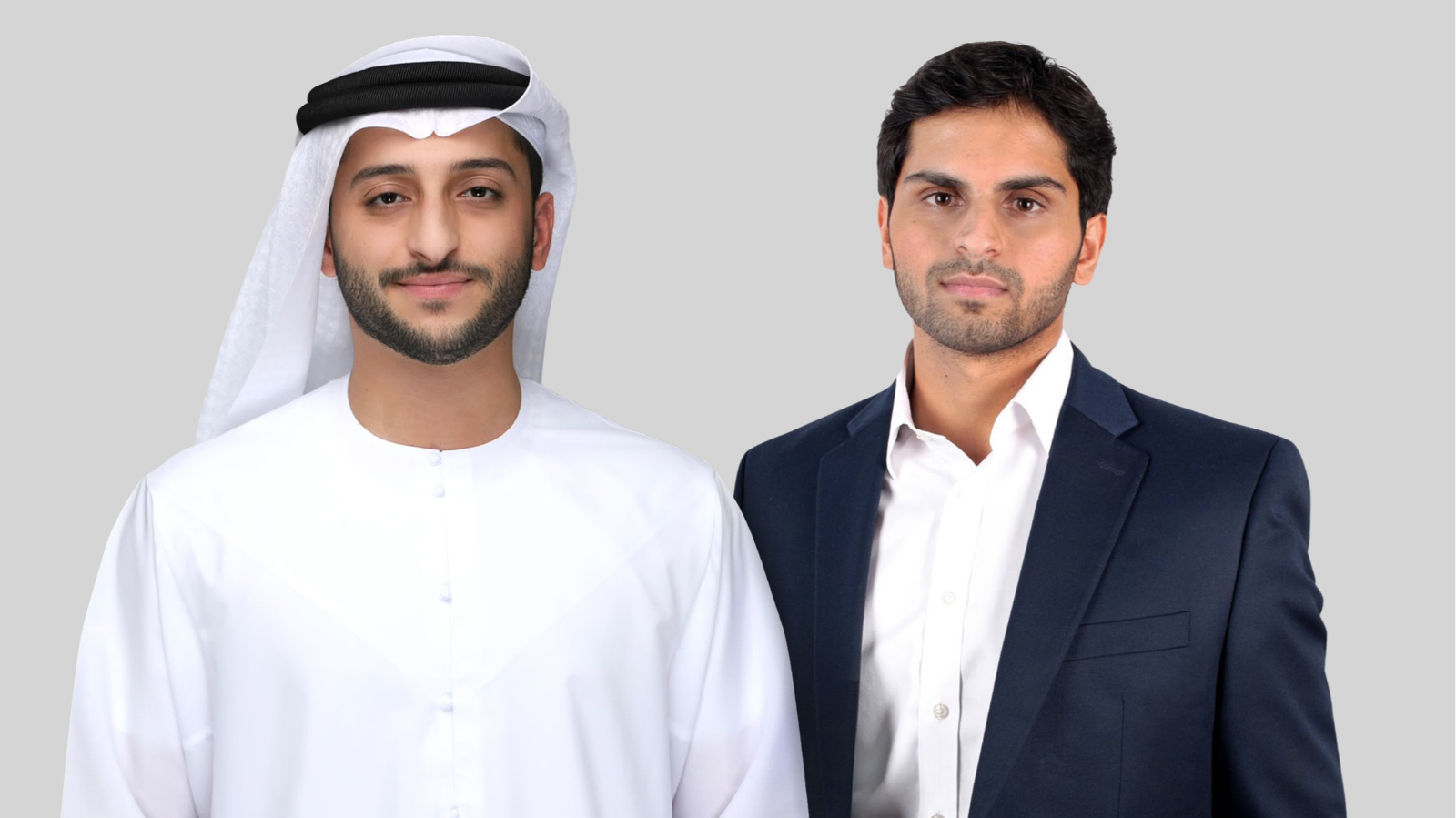
Founded by Ahmed Almarzooqi and Mohammed Alnoaimi and incubated at Harvard Innovation Labs, WaterBin collects floating debris, weighs and records the waste, and sends it for recycling. The technology aims to help marina operators maintain cleaner waterfronts while providing measurable environmental data to sponsors for their environmental, social and governance (ESG) reporting.
Five WaterBin units will be installed at the show marina in Marina Hall at ADNEC Centre, where visitors and industry representatives can see the technology in operation.
The system is installed alongside marina pontoons, where wind and water currents naturally carry floating waste towards predictable collection points. It uses a pump to draw surface water through a basket that traps plastic, leaves and other debris before returning the filtered water to the marina.
Designed to withstand the Gulf's heat, salinity and dust, each unit is built to operate around the clock. Its 700mm collector captures a wide area of surface water, while the collection basket can be emptied manually by one person without requiring tools.
According to the company, a single WaterBin unit can move 120,000 litres of water per hour, equivalent to nearly 3 million litres over a full day. This is 4.8 times the capacity of the widely used marina litter bin benchmark, which processes 25,000 litres per hour.
The company also reports that WaterBin moves 120 litres of water per hour for every watt of power consumed, compared with the benchmark of 50 litres, making it 2.4 times more efficient on this measure.
Developed and tested in Abu Dhabi
WaterBin was developed and tested at an operating marina in Al Bateen, Abu Dhabi, where its first unit was installed in 2025. Feedback from marina teams on reliability and routine maintenance helped shape the technology's third-generation model, which is now available to marina operators and sponsors across the UAE.
Harvard Business School's Business and Environment Initiative has also highlighted WaterBin's development journey, examining how testing the technology in an operational marina helped shape its design.
Ahmed Almarzooqi, co-founder of WaterBin, said the launch in Abu Dhabi demonstrates how a locally developed solution can address marine pollution challenges faced by marinas worldwide.
He explained that marina operators can host the units, while sponsors can support their deployment. The data collected will also allow government partners to monitor the results of waterfront clean-up initiatives.
The company plans to begin its rollout in Abu Dhabi and Dubai before expanding across the UAE and eventually entering international markets.
Co-founder Mohammed Alnoaimi said the technology takes advantage of existing wind and water currents to intercept floating debris before it accumulates. Marina crews can empty the collection baskets as part of their regular maintenance routines, while recorded waste data can help operators identify areas requiring greater attention.
Further deployment planned in Dubai
In addition to its participation in the Abu Dhabi International Boat Show, WaterBin is also a Sustainability Partner of the Dubai International Boat Show. The company plans to deploy five units at Dubai Harbour from November 25 to 29, 2026.
Waste collected during both events will be weighed, recorded and sent for recycling, with the results shared with the organisers.
WaterBin will also be showcased at Yas Marina during Abu Dhabi's race weekend in December.
The company has invited government officials, municipal and environmental authorities, and marina operators to visit its installations during the boat shows and explore how the technology and its waste collection data could support wider waterfront clean-up programmes.