
Oil and Gold Prices Surge Amid Escalating Middle East Tensions
Rising tensions in the Middle East have roiled global markets, driving sharp gains in oil and gold while casting uncertainty over regional equities.
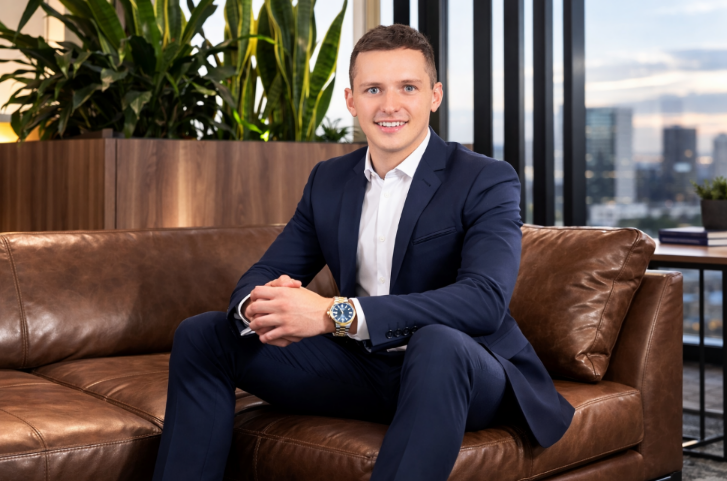
According to Josh Gilbert, Market Analyst at eToro, “Markets hate uncertainty, and right now investors are facing one of the most unpredictable geopolitical backdrops in years. The key question is not just what has happened, but how long this disruption lasts and whether we see escalation or de-escalation in the coming days.”
Both the Abu Dhabi Securities Exchange (ADX) and the Dubai Financial Market (DFM) have suspended trading on Monday and Tuesday, a rare move outside official holidays that underscores the gravity of the situation. Investors are now bracing for potential volatility when markets reopen.
Gilbert drew comparisons with past crises, noting, “When Turkey suspended trading after the 2023 earthquake, markets rallied strongly on reopening. When Russia halted trading after invading Ukraine, the outcome was far more severe. For UAE markets, the next 48 to 72 hours will be critical.”
Oil in Focus
Oil remains at the center of the storm. Brent crude surged nearly 13% to around US$82 per barrel, amid fears of disruption in the Strait of Hormuz, a key corridor for about 20% of global crude oil and LNG shipments.
“Even without a full closure of the Strait of Hormuz, disruption to tanker traffic is enough to rattle energy markets,” Gilbert said, highlighting “conflicting signals from Iran” as a key factor fueling uncertainty.
Despite the turmoil, some short-term stabilizers exist. The global oil market entered this phase with relative oversupply, while OPEC+ had already planned a production increase of 206,000 barrels per day for April. Major consumers like the United States and China maintain substantial strategic reserves, and Saudi Arabia can reroute some exports via pipelines.
“These measures provide short-term cushioning,” Gilbert noted. “But if tensions persist, sustained higher oil prices will filter through to transport costs and, ultimately, global inflation.”
Gold Surges as Risk Assets Weaken
Gold once again proved its status as a safe haven, climbing above US$5,350 per ounce and marking a 22% year-to-date gain. “Gold remains the asset investors turn to in times of geopolitical stress,” Gilbert explained. “Unless we see meaningful de-escalation, that safe-haven demand is unlikely to fade.”
Meanwhile, riskier assets such as cryptocurrencies weakened as investors shifted toward defensive positions. “In risk-off environments, capital typically flows to traditional safe havens rather than more volatile assets,” he added.
UAE Economic Exposure
Beyond market volatility, the UAE faces real economic implications across real estate, tourism, aviation, and retail — sectors central to its diversification strategy.
Dubai’s property market, which averaged 13,000 home sales per month last year at an average price of AED 2.5 million, could experience slower demand absorption with about 350,000 new units expected to hit the market over the next two years.
Tourism, which contributed 13% of UAE GDP in 2025, is already feeling the pinch as hundreds of flights face cancellations and temporary airport disruptions. “Dubai’s retail and hospitality ecosystem depends on connectivity,” Gilbert said. “Any prolonged disruption to airspace or tourism confidence will weigh on near-term growth.”
While higher oil prices could provide fiscal cushioning, Gilbert noted that the UAE’s economy is far more diversified today. “That means disrupted tourism, grounded flights, and shaken investor sentiment matter more than ever,” he explained.
Long-Term Perspective
Gilbert cautioned against panic-driven decisions, emphasizing that “for most long-term investors, doing very little is often the wiser approach. Selling into panic rarely proves to be the right decision in hindsight.”
He added, “There is room for volatility when UAE markets reopen, particularly as very little geopolitical risk had been priced in. However, if de-escalation emerges quickly, the UAE’s long-term fundamentals — strong infrastructure, a pro-business regulatory environment, and its role as a regional hub — remain intact. Short-term turbulence does not undo decades of structural progress.”


Add Your Directory With Us
Boost your visibility with our Business Directory

Add Your BCard With Us
Open the door to new professional connections.
DayOfDubai
Business Services

Comments (0)
Please log in to post a comment
Login to CommentNo comments yet. Be the first to share your thoughts!