
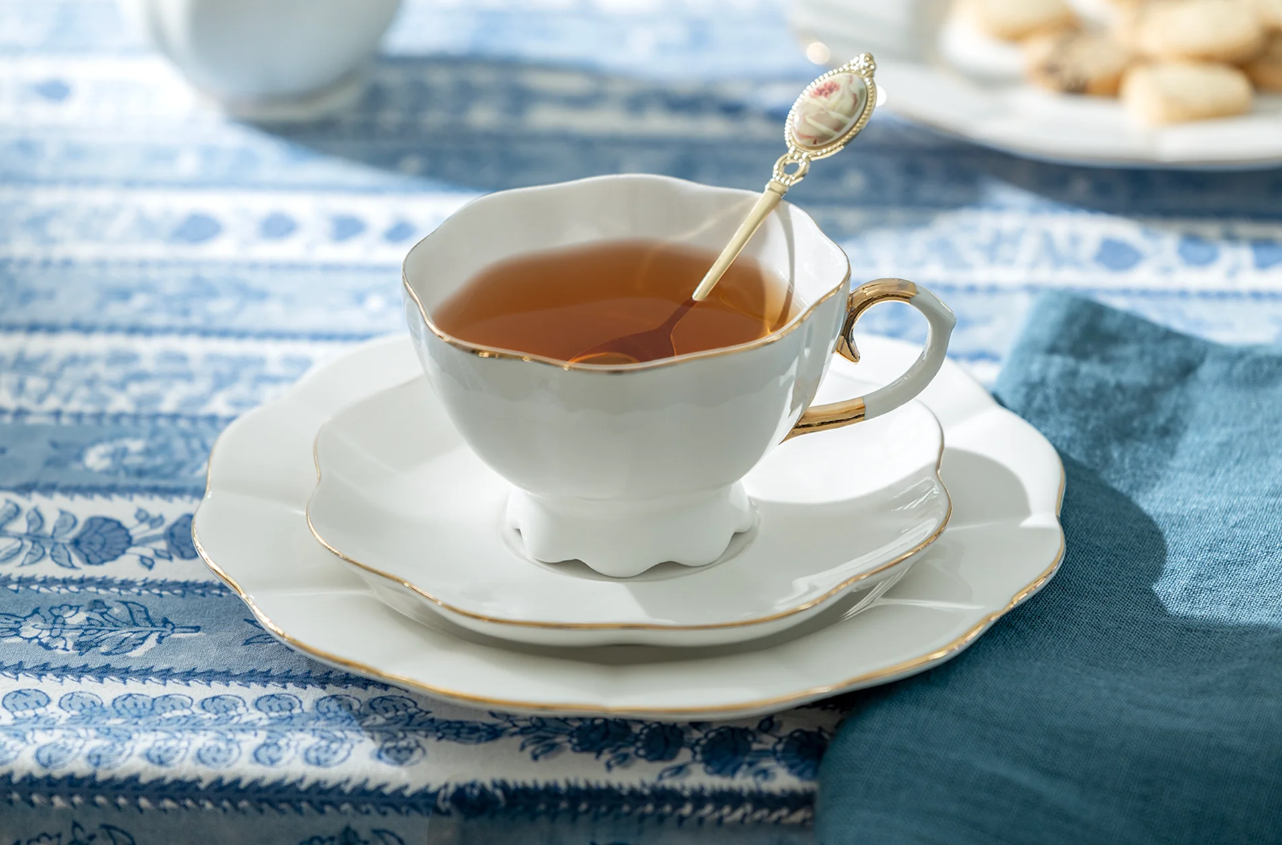
Grace in Every Sip: The Enduring Allure of Porcelain Tea Cups with Saucers
Craftsmanship and Materials: Why Porcelain Elevates the Tea Ritual
The finest tea moments begin with the right vessel, and few objects match the quiet refinement of a well-made porcelain cup balanced on its saucer. True hard-paste porcelain is a fusion of kaolin, feldspar, and quartz, fired at high temperatures to produce a vitrified, non-porous body that rings with a clear note and glows with gentle translucency. This vitrification locks out stains and odors, preserves pure flavor, and creates walls that can be made exquisitely thin—thin enough to feel delicate to the lips yet sturdy enough for daily use when properly handled.
Those whisper-thin walls do more than look elegant. They regulate temperature and heighten aroma, letting steam rise in a soft column that carries volatile compounds to the nose with every sip. The slim, polished rim directs liquid smoothly onto the tongue, enhancing perceived sweetness and clarity of flavor. A neutral, high-quality glaze ensures that neither tannins nor citrus oils from lemon wedges permeate the surface, so each infusion tastes as it ought. In short, porcelain acts as a faithful stage for the tea’s performance, never upstaging the leaves themselves.
The saucer is more than a matching accessory; it is functional architecture for civilized tea. It catches stray drips before they mar linens, offers a resting place for a teaspoon or a slice of lemon, and buffers heat between cup and tabletop. A well-designed saucer’s shallow well stabilizes the cup while still allowing easy lift, and its broad rim turns the set into a mini-tray that can be carried one-handed without anxiety. Together, cup and saucer create a complete system that is graceful in motion and reassuring at rest.
Attention to ergonomics completes the experience. The handle should allow a relaxed pinch or three-finger hold without forcing the hand into awkward angles, while the cup’s foot ring ensures level stability. Some designs feature a tulip-shaped bowl to concentrate aroma, others use a gently flared lip to soften acidity. Hard-paste porcelain offers a cool, blue-white tone; bone china, infused with bone ash, presents a warmer hue and slightly greater chip resistance. Both, when crafted well, deliver the same essential promise: a refined vessel that respects the leaf.
Design, Capacity, and Etiquette: Choosing the Right Cup-and-Saucer Set
Selecting the ideal set starts with capacity and shape. Classic Western teacups often range between 150 and 200 ml, perfect for black teas and afternoon blends that benefit from steady warmth and generous aroma. Breakfast cups trend larger, around 220–250 ml, offering a comforting, robust pour to begin the day. Thinner walls favor nuanced green and white teas that prefer cooler water and rapid cooling; slightly thicker walls retain heat for hearty Assam or spiced chai. The interior should remain a light, glossy white to help assess liquor color and clarity at a glance.
Rim geometry and bowl profile matter. A flared rim broadens the sip and softens perceived astringency, while a tulip profile focuses aroma for fragrant Darjeelings and oolongs. The saucer’s well should fit the foot ring without wobble; a subtly raised rim makes carrying easier and guards against sloshing. Look for balanced proportions: the set should appear harmonious from handle curl to saucer edge, neither top-heavy nor excessively wide. Decorative options run from hand-painted florals and classic chinoiserie to minimalist, glaze-only finishes; choose motifs that complement the table setting without stealing attention from the tea itself.
Practical concerns deserve equal weight. Gilded rims bring opulence but dislike dishwashers and microwaves; undecorated or underglaze patterns usually tolerate daily cleaning better. A smooth, well-polished foot minimizes scratches on delicate surfaces. Stacking can save space, yet ensure the saucer rims do not abrade decorated edges—felt separators are a wise addition for treasured sets. And when the goal is consistent quality from reputable makers, explore curated European-made Porcelain Tea cups with Saucer to align craftsmanship, aesthetics, and durability with discerning standards.
Etiquette refines enjoyment. Hold the cup by the handle, not with fingers clasped around the bowl; if standing, lift the saucer with the cup to avoid drips. After stirring, rest the teaspoon on the saucer behind the cup, handle aligned discreetly. Avoid tapping or clinking the spoon inside the cup. When hosting, place the handle at four o’clock for right-handed guests (mirror for left-handed), and serve milk and lemon on request rather than presuming preference. Whether honoring tradition or embracing modern informality, these small gestures keep the ritual polished and pleasurable.
Real-World Examples: Tearoom Performance, Home Gifting, and Care Tips
Performance becomes visible in service settings. A boutique tearoom that transitioned from heavy stoneware mugs to 170 ml porcelain cup-and-saucer sets reported smoother tray handling, fewer tablecloth incidents, and improved visual presentation. The lighter mass reduced server fatigue, while well-fitted saucers caught minor drips before they reached linens. Guests commented on the tea’s clearer aroma and cleaner taste—proof that vessel choice subtly shapes perception. In hospitality, these marginal gains add up to a more cohesive, premium experience that patrons remember and share.
At a specialty tea bar, blind tastings comparing thick-walled mugs to thin-lipped porcelain cups found guests more frequently identified floral high notes in first-flush Darjeeling when sipping from porcelain. While informal, this aligns with sensory science: thinner rims and wider bowls facilitate both orthonasal and retronasal aroma, sharpening nuance without changing the brew itself. Baristas also noted faster cup warming with a brief hot-water rinse, ensuring the first pour stayed at an inviting temperature without overextraction in the pot. The takeaway is simple: vessel geometry and material can amplify the tea’s voice.
In the home, a coordinated set transforms casual moments into small ceremonies. Consider six cups at 160–180 ml for afternoon blends, paired with saucers that have a gentle rim suitable for carrying plates of scones or petit fours. Subtle bands or monochrome glazes integrate seamlessly with linens across seasons, while a bright floral set can energize spring gatherings. As a gift, a boxed porcelain duo with delicate patterning celebrates weddings, anniversaries, or housewarmings; timeless designs become heirlooms, each scratch or glaze variation telling a chapter of shared meals and conversations.
Care protects both beauty and function. Pre-warm cups with hot water to stabilize temperature before pouring; sudden thermal swings are the enemy of delicate wares. Wash with mild detergent and a soft sponge, avoiding abrasives that can dull glaze sheen. For tannin stains, a paste of baking soda and water gently lifts discoloration; for stubborn marks, an oxygen-based cleaner works well on undecorated areas. Allow pieces to cool before immersing in wash water, and avoid microwaving metallic trims. When storing, interleave saucers with felt and position cups so handles don’t touch. Longevity is sustainability: durable, well-cared-for porcelain serves for decades, retaining the quiet elegance that makes every sip feel considered and special.
Event Information
 Event Venue:
 Date:
Date:
 Phone:
 Website:
 Address:
 Ticket Rate:





Add Your Directory With Us
Boost your visibility with our Business Directory

Add Your BCard With Us
Open the door to new professional connections.
DayOfDubai
Business Services
