
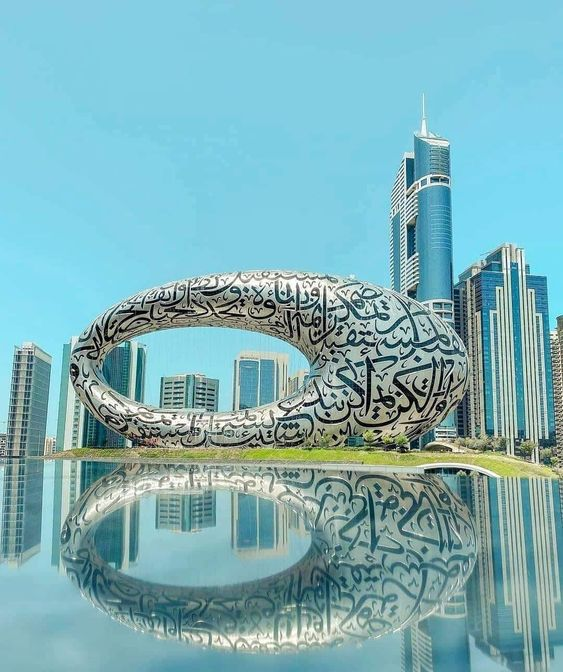
Dubai Tourism and Its Legal Implications for International Visitors
Dubai stands as one of the world's most visited travel destinations, drawing over 17.15 million international overnight visitors in 2023 alone, according to data released by the Dubai Department of Economy and Tourism. The emirate operates under a legal framework that differs substantially from Western jurisdictions, and international tourists frequently find themselves unprepared for the regulatory environment they enter upon arrival. This article explores the most pressing aspects of Dubai tourism — from behavioral expectations and visa regulations to property rights and dispute resolution — while addressing how foreign nationals can protect themselves legally during their stay. The UAE legal system blends civil law traditions with Islamic law principles, creating a hybrid structure that governs everything from public conduct to commercial transactions. Tourists from the United States, the United Kingdom, Europe, and Australia consistently report surprise at how swiftly civil and criminal consequences can arise from actions that carry no legal weight in their home countries. Understanding Dubai's regulatory landscape before arrival is not optional — it is a practical necessity. This article draws on verified data, academic research, and jurisdictional analysis to give travelers and legal professionals a comprehensive picture of what Dubai tourism law actually looks like on the ground.
---
What Are the Key Legal Rules International Tourists Must Follow in Dubai?
The key legal rules international tourists must follow in Dubai cover public conduct, dress codes, alcohol consumption, digital expression, and relationship status disclosures. The UAE Penal Code, Federal Law No. 3 of 1987 as amended, criminalizes a broad range of behaviors that are legal across most Western countries. Public displays of affection, including kissing in shared spaces, have resulted in deportation and fines for tourists. Unmarried couples sharing hotel rooms face legal exposure under cohabitation laws, though enforcement varies by emirate. Alcohol consumption is permitted in licensed venues — hotels, designated restaurants, and private clubs — but drinking in public spaces or appearing intoxicated outside licensed premises carries penalties including fines and detention. Dress codes in malls, mosques, and government buildings require clothing that covers shoulders and knees, and violations result in on-site penalties in stricter enforcement zones. A 2022 survey conducted by the Gulf Research Center found that 34% of first-time Western tourists to Dubai were unaware of the emirate's laws on photography, which prohibit capturing images of government buildings, military facilities, and individuals without consent. Social media posts deemed offensive to the UAE government, its leadership, or Islam carry criminal liability under Federal Decree-Law No. 34 of 2021 on combating cybercrime, with sentences reaching up to three years of imprisonment. Tourists must treat Dubai's legal environment as jurisdictionally sovereign — their home country's norms carry zero protective weight inside UAE borders.
---
How Do Visa Regulations in Dubai Affect Tourism and Entry Rights?
Visa regulations in Dubai affect tourism and entry rights through a tiered system that distinguishes between visa-on-arrival eligibility, pre-arranged tourist visas, and residency-linked entry permits. Citizens of 49 countries, including the United States, all EU member states, and Australia, receive visa-on-arrival access for stays of up to 30 days, extendable once for an additional 30 days. Citizens from South Asia, Southeast Asia, and Sub-Saharan Africa require pre-arranged tourist visas sponsored by a UAE-based entity — typically a hotel, travel agency, or resident individual. The UAE General Directorate of Residency and Foreigners Affairs (GDRFA) processes these applications, and overstaying a visa triggers fines of AED 50 (approximately $13.60) per day after the grace period expires. Research from the American University of Sharjah's Department of Law and Policy, published in 2021, documented that visa overstay cases increased by 18% year-over-year between 2018 and 2021, with the majority involving tourists who were unaware of grace period structures. Entry bans following overstay violations range from one year to permanent exclusion depending on cumulative duration. Passport validity is a strict requirement — the UAE mandates at least six months of validity from the date of entry, and airlines deny boarding to passengers whose documentation falls short. Dual nationals holding passports from countries with strained UAE diplomatic ties face additional scrutiny, including secondary screening at Dubai International Airport, which processed 86.9 million passengers in 2023.
---
Can Cultural Missteps in Dubai Lead to Criminal Prosecution for Tourists?
Yes, cultural missteps in Dubai can lead to criminal prosecution for tourists, and documented cases confirm this outcome occurs with regularity. The distinction between cultural misunderstanding and criminal conduct is legally irrelevant inside UAE courts — intent does not negate liability when behavior violates codified law. Tourists have faced prosecution for gestures deemed offensive, profane language used in arguments, and social media activity conducted while physically inside UAE territory. A well-publicized 2018 case involved a British tourist sentenced to one month in prison after posting a message on social media criticizing a local business owner — the post was deemed defamatory under UAE Federal Law No. 5 of 2012. Legal professionals who advise clients traveling to the Gulf region consistently emphasize the importance of pre-departure legal briefings. Law firms specializing in international travel law and cross-jurisdictional compliance reference procedural tools from multiple legal systems when counseling clients. For practitioners who handle cases where jurisdictional questions arise around procedural standing and case dismissal, resources like FRCP Rule 12 explained provide foundational clarity on how civil procedure frameworks evaluate standing and threshold legal challenges. Understanding procedural law across jurisdictions equips legal professionals to advise clients more comprehensively when cross-border legal exposure arises. Back in the tourism context, the UAE Ministry of Interior recorded over 1,200 tourist-related criminal cases in 2022 involving expressive conduct — a 22% increase from 2020 figures — with the majority resulting in deportation and entry bans rather than custodial sentences.
---
Do Property and Business Laws in Dubai Impact Short-Term Visitors?
Yes, property and business laws in Dubai impact short-term visitors, particularly those engaging in commercial activity, property viewings, or investment discussions during tourism trips. The UAE Commercial Companies Law, Federal Decree-Law No. 32 of 2021, prohibits foreign nationals from conducting business activity on a tourist visa. Tourists who participate in meetings, sign agreements, or receive payments for services rendered while on a visitor visa violate immigration and commercial law simultaneously, exposing themselves to fines and deportation. The Dubai Land Department regulates all real estate transactions and requires all buyers — including foreign nationals — to complete due diligence through registered brokers and licensed agencies. Foreign ownership is permitted in designated freehold zones covering approximately 23 distinct areas across Dubai, including Downtown Dubai, Dubai Marina, and Palm Jumeirah. According to research published by the Dubai Real Estate Institute in 2023, foreign nationals completed 45,392 property transactions in Dubai during the first three quarters of that year, representing 62% of total transaction volume. Tourists who receive unsolicited investment proposals, sign memoranda of understanding without legal review, or transfer funds based on verbal agreements during visits face significant financial and legal risk. Contract disputes involving foreign tourists fall under UAE civil courts, where proceedings occur in Arabic and legal representation requires a UAE-licensed advocate — a procedural barrier that increases resolution timelines dramatically for non-Arabic-speaking claimants.
---
Is Travel Insurance Legally Sufficient to Protect Tourists in Dubai?
No, travel insurance is not legally sufficient to protect tourists in Dubai across all categories of legal risk — it covers financial losses from specific events but provides zero criminal liability protection. Standard travel insurance policies cover trip cancellation, medical emergencies, lost luggage, and flight delays. Policies with premium tiers extend coverage to emergency legal assistance, bail bond arrangements, and repatriation costs, but they do not indemnify tourists against criminal fines, court-ordered penalties, or detention costs arising from behavioral violations. According to a 2022 report from the International Travel Insurance Journal, fewer than 12% of travel policies sold to Gulf-bound travelers include any form of criminal legal assistance. The gap between what tourists assume insurance covers and what it contractually covers is widest in destinations with strict conduct-based laws — Dubai ranks among the top three destinations globally where this gap causes the most documented financial hardship. For travelers seeking to understand the full scope of legal protections available during international trips, resources covering travel law rights for international visitors provide jurisdiction-specific guidance that goes beyond standard insurance documentation. The Dubai Health Authority mandates that tourists hold valid health insurance for the duration of their stay, and airlines operating flights into Dubai International Airport are required to verify coverage during check-in. Despite this, a 2021 study from the University of Dubai's Business and Law Faculty found that 41% of tourists departing Dubai had experienced at least one situation during their visit where their insurance policy provided no applicable coverage. Comprehensive legal preparation — including jurisdictional awareness, pre-departure legal briefings, and verified insurance documentation — constitutes the only reliable protection framework for international visitors to Dubai.
Event Information
 Event Venue:
 Date:
Date:
 Phone:
 Website:
 Address:
 Ticket Rate:





Add Your Directory With Us
Boost your visibility with our Business Directory

Add Your BCard With Us
Open the door to new professional connections.
DayOfDubai
Business Services
