

How to clean paint protection film

How to Clean Paint Protection Film: The Complete Care Guide
Caring for a car paint protection film properly is just as important as the installation itself, because the way you wash and dry your vehicle can either extend the life of the film or shorten it. Paint protection film is designed to protect your paint from stone chips, swirl marks, and everyday damage, but it still needs the right cleaning routine to stay clear, glossy, and self-healing for years to come. In this guide, we'll walk you through the tools, techniques, and general principles you need to keep your PPF looking its best.
Why Cleaning PPF the Right Way Matters
Even though PPF is tough and durable, it isn't immune to damage from the wrong cleaning process. Using harsh chemicals, abrasive tools, or a pressure washer at the wrong angle can leave swirl marks, scratches, or even cause the film to start peeling around the edges. On the other hand, using the right tools and following a careful, gentle process helps the film maintain its self-healing properties, keeps its finish looking clear and glossy, and reduces the risk of grime and contaminants building up under the film's top coat.
Tools You'll Need Before You Start
Before you begin washing, it's worth gathering the right equipment. Having the right tools makes the whole process quicker, safer, and far more effective:
-
Two buckets — one for soapy water, one for rinsing your wash mitt, following the two-bucket method to reduce the chance of dragging dirt particles across the surface.
-
A soft microfibre wash mitt or lambswool mitt — never use an old sponge or a stiff brush, as these can create fine scratches over time.
-
pH-neutral car shampoo — avoid dish soap or any cleaning agents with harsh chemicals, acidic compounds, or strong solvents, which can damage the film's top coat.
-
A separate wheel brush and bucket — wheels are usually the dirtiest part of the car, so keeping wheel cleaning tools separate helps avoid cross-contamination with the paint and film.
-
Two soft, clean microfibre drying towels — for safely drying the surface without leaving swirl marks.
-
A garden hose or low-pressure washer — for rinsing before and after the wash.
Step-by-Step: How to Wash Paint Protection Film
1. Rinse First, Always
Start with either a hose or a pressure washer set to a wide, low-pressure pattern to rinse away loose dirt, dust, and grime before you touch the surface with a mitt. This step alone removes a good number of particles that would otherwise scratch the film during washing.
2. Use the Two-Bucket Method
Fill one bucket with soapy water and the other with clean rinse water. Dip your mitt in the soap bucket, wash a small area, then rinse the mitt in the second bucket before going back for more soap. This simple technique keeps dirt particles out of your wash water and reduces the risk of scratching the film.
3. Work Panel by Panel, Top to Bottom
Start at the roof and work your way down, since the lower areas of the vehicle are typically dirtier. Wash one panel at a time, using gentle, straight-line motions rather than circular ones, and rinse frequently.
4. Handle Wheels Separately
Wheels collect brake dust, road grime, and tar, so always clean them with a separate mitt or brush and a different bucket. Never use the same tools you used on the paint or film — doing so is one of the most common ways swirl marks end up on the film's surface.
5. Watch Out for Bug Splatter, Tar, and Tree Sap
These sticky contaminants are best softened before wiping. Use a dedicated bug and tar remover or simply let a soapy microfibre towel sit on the area for a minute to soften it, rather than scrubbing hard, which can stress the film.
Drying: Don't Skip This Step
Drying is just as important as washing when it comes to caring for paint protection film. Leaving water to air dry can cause water spots, especially in areas with hard water or direct sun exposure. Instead:
-
Use a large, soft, clean drying towel and blot the surface rather than dragging it, which helps avoid introducing new scratches.
-
Dry immediately after rinsing, working panel by panel just like you did during the wash.
-
For tricky areas around mirrors, door handles, and edges, use a smaller towel or an air blower to remove trapped water.
Should You Use a Pressure Washer on PPF?
A pressure washer can be used safely on paint protection film, but only if you follow a few important rules:
-
Keep the nozzle at least 30 cm away from the surface.
-
Use a wide fan-spray tip rather than a narrow, concentrated jet.
-
Avoid pointing the pressure washer directly at edges, corners, or any area where the film may have started to lift, as high pressure aimed too close can peel the film away from the paint.
-
Never use hot water settings above what the manufacturer recommends, since extreme heat combined with pressure can affect the adhesive underneath.
If in doubt, a standard garden hose is always the safer choice for rinsing.
Can You Wax or Apply a Sealant Over PPF?
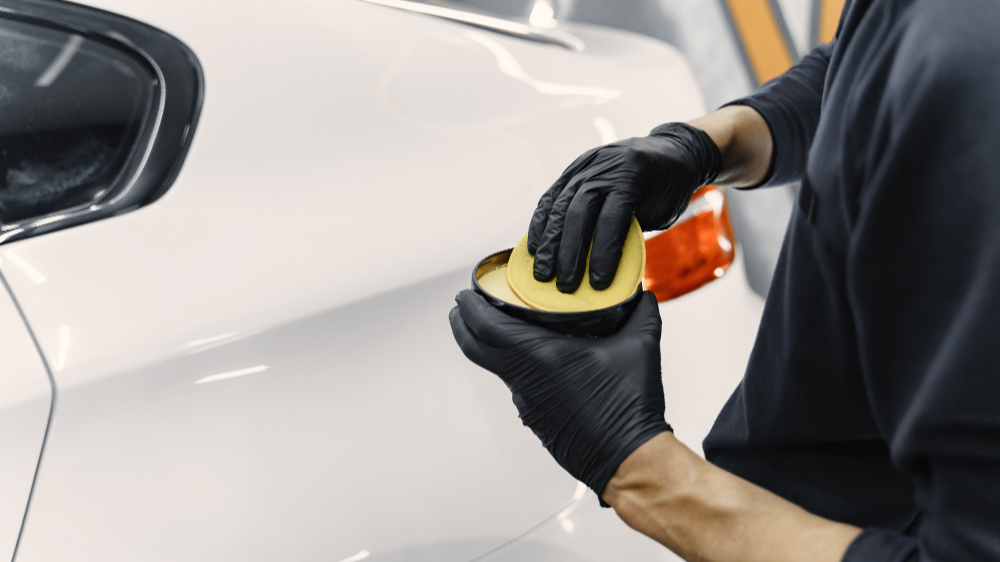
Yes — many vehicle owners choose to apply a wax, sealant, or even a ceramic coating on top of their paint protection film to add extra gloss and make future washing easier. A ceramic coating or sealant creates a hydrophobic layer that helps water and dirt sheet off the surface, reducing how often you need a full wash. However, avoid wax products with fillers or heavy abrasive polishes, as these are designed for painted surfaces and may interfere with the film's self-healing top coat.
Dealing with Swirl Marks and Minor Scratches
One of the best things about paint protection film is that light swirl marks and minor scratches can often be removed without any product at all. Because of the self-healing layer, heat alone — from direct sun or warm water — can soften the top coat enough for these marks to disappear on their own. For deeper or more stubborn marks, a light polish designed specifically for PPF (not a harsh cutting compound meant for regular paint) can help restore clarity, though this should be left to a professional detailer if you're not confident doing it yourself.
What to Avoid When Cleaning PPF
-
Abrasive brushes or sponges — these are one of the fastest ways to create swirl marks and fine scratches.
-
Harsh chemicals and strong solvents — these can strip the top coat and lead to fading or discolouration over time.
-
Automatic car washes with spinning brushes — the brushes are shared across many vehicles and can carry grit that scratches the film.
-
Letting the vehicle air dry in direct sun — this leads to water spots and can make dirt harder to remove later.
-
Using the same towel for the whole car — swap or rinse your towel regularly so you're not spreading grime from one panel to another.
How Often Should You Clean Paint Protection Film?
There's no single rule that works for every vehicle, since it depends on how often you drive, the environment, and road conditions. As a general guide:
-
Wash every one to two weeks under normal conditions.
-
Wash sooner if you've driven through heavy grime, road salt, or after a long trip.
-
Rinse off bird droppings, tree sap, or bug splatter as soon as possible, rather than waiting for your next full wash, since these contaminants can become harder to remove the longer they sit.
Keep Your Paint Protection Film Looking Its Best
Learning how to clean paint protection film properly is one of the simplest ways to protect your investment and keep your vehicle's finish looking factory-fresh for years. If you have any questions about caring for your film, need a professional detailing service, or want to explore our PPF and ceramic coating packages, our team is here to help.