

Eyebrow Hair Transplant in Dubai for Thinning Brows
Over-Plucked or Thinning Brows? How an Eyebrow Hair Transplant Can Bring Them Back

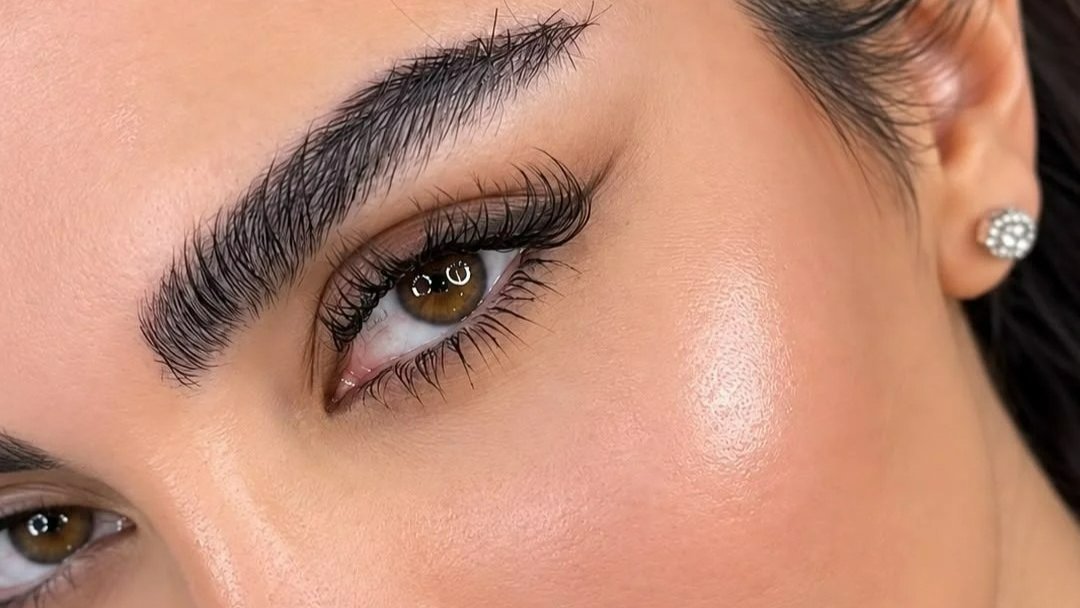
Eyebrows do more than frame the eyes. They contribute to facial expression, help balance facial features, and influence the overall appearance of the face. Yet many people experience thinning eyebrows over time. Repeated plucking, waxing, genetics, ageing, scarring, and certain health conditions can all contribute to a loss of density. When brow pencils and other cosmetic products no longer provide the desired appearance, it may be worth exploring longer-term restoration options.
For people living in Dubai, eyebrow restoration treatments offer different approaches depending on the cause of hair loss and the result a person hopes to achieve. An eyebrow hair transplant is one option for suitable candidates, but understanding its benefits, limitations, recovery process, and alternatives is essential before making a decision.
Why Do Eyebrows Become Thin?
Eyebrow thinning can develop gradually or appear more suddenly. Identifying the underlying cause is important because not every type of hair loss responds to the same treatment.
Repeated Plucking and Waxing
Frequent plucking and waxing can damage hair follicles in some cases, particularly when the same areas are repeatedly treated over long periods. Although stopping these practices may allow some regrowth, recovery varies. Some people regain much of their original density, while others continue to have sparse areas.
Allowing the eyebrows to grow naturally for a period can help reveal how much hair remains. If significant gaps persist, a professional assessment may help determine whether a cosmetic treatment or a restoration procedure is appropriate.
Genetics and Naturally Sparse Brows
Some people have naturally fine eyebrows or limited hair density because of their genetic characteristics. Their brows may have always appeared light or narrow, even without a history of over-plucking.
In these cases, the goal may be to improve fullness while maintaining a shape that suits the person's facial proportions. A practitioner should assess the existing hair pattern and discuss what can realistically be achieved.
Ageing and Hormonal Changes
Hair density and texture can change with age. Hormonal changes and certain medical conditions may also affect eyebrow growth. However, unexplained thinning should not automatically be attributed to ageing.
Sudden hair loss, patchy gaps, persistent itching, redness, or scaling may require medical evaluation before any cosmetic procedure is considered. Treating an underlying cause may be more appropriate than immediately pursuing transplantation.
Scars and Previous Injuries
In selected cases, eyebrow hair may be lost because of injuries, burns, or surgical scars. Transplantation may be considered when the affected area is suitable, but scar tissue can affect blood supply and follicle survival. A qualified practitioner must assess the condition of the skin before recommending treatment.
What Is an Eyebrow Hair Transplant?
An eyebrow hair transplant is a procedure that moves hair follicles from a donor area, commonly the back or sides of the scalp, into areas of the eyebrows where additional density is desired.
The purpose is to introduce hair that can continue growing after successful transplantation. Unlike makeup or temporary cosmetic treatments, the procedure involves living follicles and requires careful planning, a healing period, and ongoing grooming.
People considering an eyebrow hair transplant at Aatras in Dubai should understand that the procedure is not simply about filling empty spaces. The practitioner must consider the direction of each hair, the natural curvature of the brows, the existing density, and the patient's facial structure.
Because transplanted follicles commonly come from the scalp, the resulting hairs may grow longer and behave differently from native eyebrow hairs. Regular trimming may therefore be necessary to maintain the intended appearance.
How Does the Procedure Work?
The exact technique depends on the individual's needs, the donor area, and the practitioner's approach. A typical treatment involves several stages.
1. Consultation and Assessment
The process begins with a discussion of the patient's concerns, medical history, previous treatments, and desired eyebrow shape. The practitioner assesses the existing brows, donor hair quality, skin condition, and the areas where additional follicles may be appropriate.
The cause of eyebrow loss should also be considered. If an active medical condition is contributing to thinning, it may need to be investigated or managed before transplantation is undertaken.
During this stage, patients should discuss realistic expectations, potential risks, the estimated number of grafts, the recovery period, and the total treatment cost.
2. Designing a Suitable Brow Shape
Eyebrow design plays a central role in achieving a natural-looking result. The inner brow, arch, and tail have different growth directions, and the hairs lie at relatively shallow angles.
A design that ignores these details can make transplanted hair appear unnatural, even if the follicles grow successfully. The planned shape should complement the patient's facial features and work with the remaining natural eyebrow hair.
It is also important to recognise that perfectly identical eyebrows are neither necessary nor realistic. Natural facial features often have subtle differences between the two sides.
3. Harvesting Donor Hair
Suitable follicles are collected from a donor area, often on the scalp. The method used and the number of follicles required depend on the treatment plan.
Donor hair should be selected carefully because its texture, thickness, and growth characteristics may differ from those of natural eyebrow hair. The practitioner should explain these differences before the procedure.
4. Implanting the Follicles
The selected follicles are placed into small recipient sites in the eyebrow area. Their spacing, angle, and direction are carefully planned to create a pattern that follows the natural growth of brow hair.
The procedure requires precision because even small differences in placement can influence the final appearance. Patients should ask about the practitioner's experience with eyebrow transplantation rather than assuming that experience with scalp hair restoration automatically guarantees expertise in eyebrow design.
What Happens After an Eyebrow Transplant?
Recovery occurs gradually. During the early healing period, the treated area may appear red or swollen, and small scabs may develop around the implanted follicles.
Some transplanted hairs may shed in the weeks following treatment. This can be a normal stage of the hair-growth cycle and does not necessarily indicate that the procedure has failed. New growth typically develops over the following months, although the timeline and density vary between individuals.
Patients should follow the clinic's instructions regarding washing, physical activity, sleeping positions, skincare products, and protection of the treated area. Picking at scabs or rubbing the eyebrows can interfere with healing.
It is also important to arrange follow-up care and seek medical advice if symptoms become severe or worsen unexpectedly. Increasing pain, spreading redness, unusual discharge, or other concerning changes should be assessed by a healthcare professional.
Because the final appearance takes time to develop, patients should avoid judging the outcome too early. The practitioner can explain when it is appropriate to assess the result and whether any further intervention is necessary.
Eyebrow Transplant vs. Other Restoration Options
A transplant is not the only option for people who want fuller-looking eyebrows. The most appropriate choice depends on the cause of thinning, personal preferences, budget, and willingness to undergo a procedure.
Eyebrow pencils and gels: These provide immediate, temporary coverage and allow the shape to be changed easily. They do not restore hair growth but may be suitable for people who prefer a non-invasive approach.
Tinting: Tinting can make existing eyebrow hairs appear more prominent, although it does not create new follicles. Results are temporary, and products should be used according to appropriate safety guidance.
Microblading: This cosmetic technique uses pigment to create the appearance of individual hair strokes. It can help define sparse brows, but it does not produce actual hair. The result fades over time and may require maintenance.
Eyebrow transplantation: This procedure transfers hair follicles into the brow area and may provide a longer-term restoration option for suitable candidates. However, it involves medical risks, recovery time, cost, and possible ongoing grooming.
These options serve different purposes. A consultation can help clarify which approach aligns with the individual's needs without assuming that surgical restoration is always the best choice.
Choosing an Aesthetic Clinic in Dubai
The provider's qualifications and approach to patient safety are important considerations when exploring eyebrow restoration. Patients should look for transparent communication, appropriate medical licensing, individualised planning, and clear aftercare arrangements.
When researching an aesthetic clinic in Dubai, consider asking the following questions:
-
Who will perform the procedure? Confirm the practitioner's qualifications, licensing, and relevant experience with eyebrow transplantation.
-
How will the brow shape be designed? Ask how the plan will account for facial proportions, natural hair direction, and existing density.
-
What results are realistic? The provider should explain potential limitations, the possibility of uneven growth, and the factors that affect graft survival.
-
What are the risks? Discuss possible infection, scarring, temporary swelling, and other procedure-related complications.
-
What does the aftercare plan include? Find out how follow-up appointments are arranged and who to contact if concerns develop.
-
What is included in the cost? Request a clear explanation of consultation fees, the procedure, and any additional charges.
Before-and-after photographs can be useful when they represent comparable cases and are presented with appropriate consent. However, photographs alone cannot guarantee that another patient will achieve the same result.
Patients should also feel comfortable asking questions, considering alternatives, and taking time to decide. A responsible consultation should support an informed choice rather than create pressure to book immediately.
Can Transplanted Eyebrows Look Natural?
A natural-looking outcome depends on several factors, including the quality of donor hair, the placement technique, follicle survival, skin characteristics, and the practitioner's understanding of eyebrow anatomy.
The angle and direction of implanted hairs are particularly important. Since scalp hair may continue growing longer than natural eyebrow hair, patients should be prepared for periodic trimming and shaping.
Expectations should remain realistic. A transplant can improve density in selected cases, but it cannot guarantee perfect symmetry, a specific level of fullness, or an exact match to a reference photograph.
Patients should discuss their preferred appearance openly and understand what the procedure can and cannot achieve before giving consent.
Is an Eyebrow Hair Transplant Worth Considering?
For people with persistent eyebrow thinning, an eyebrow hair transplant may offer a longer-term option for restoring hair in sparse areas. It can be particularly worth discussing when cosmetic products no longer meet the person's needs and the underlying cause of hair loss has been properly assessed.
However, suitability varies. Some people may benefit more from treating an underlying medical condition, changing grooming habits, or choosing a non-surgical cosmetic approach.
The most sensible first step is to obtain an individual assessment, understand the available options, and compare their benefits, limitations, costs, and risks. With realistic expectations and careful planning, patients can make a more informed decision about the approach that best fits their needs.