

RTA issues 119,188 Dubai driving licences in first half of 2026

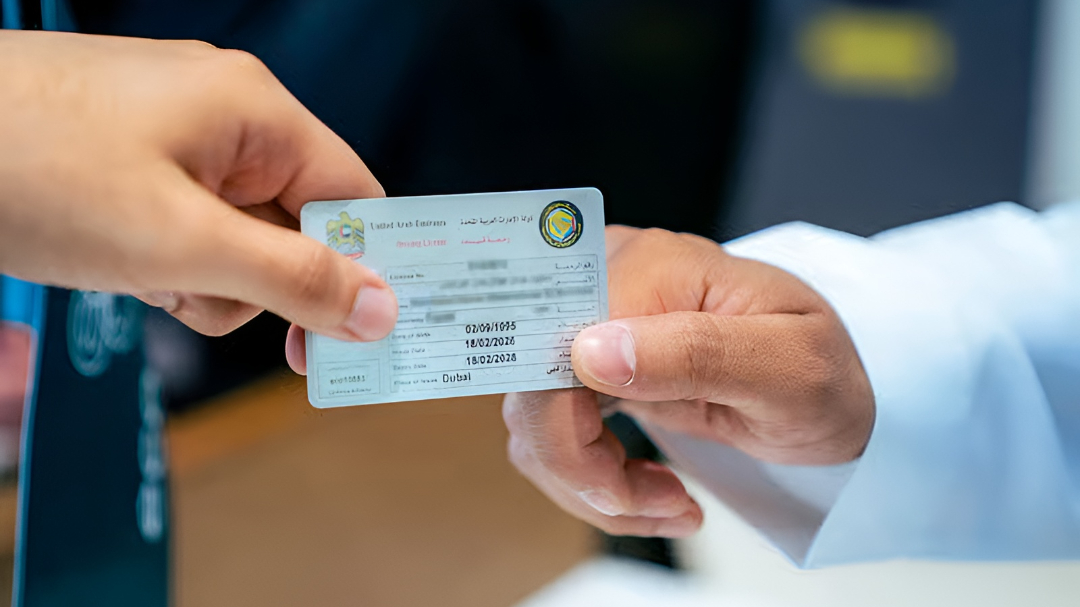
Dubai issued 119,188 driving licences during the first half of 2026 as demand for licensing services remained strong amid the emirate’s continued population and economic growth.
The Roads and Transport Authority (RTA) issued 96,400 new driving licences between January and June, while another 22,788 licences were exchanged by motorists from countries recognised for direct exchange with a UAE driving licence.
Alongside the rise in licensing activity, the RTA is expanding the use of smart technologies, artificial intelligence and advanced driving simulators to strengthen driver training, testing and road-safety awareness.
AI and simulators reshape driver training
The RTA has been updating theoretical and practical training programmes at driving institutes in line with international practices and road-safety standards.
Defensive and preventive driving are among the key areas of focus. Rather than concentrating only on vehicle control, learners are trained to anticipate potential hazards and respond to sudden changes on the road.
Advanced driving simulators allow learners to practise handling challenging situations in controlled environments. These include driving in rain and fog, as well as responding to emergency situations.
The technology gives learners an opportunity to develop appropriate responses before encountering similar conditions on Dubai’s roads.
Smart testing uses AI and sensors
Technology is also being used to assess learners during practical testing.
The RTA’s smart testing system at testing yards uses artificial intelligence, cameras and smart sensors to evaluate learner performance against standardised criteria.
The system is intended to support more consistent and transparent assessments while helping ensure that motorists meet the required driving standards before receiving a licence.
Road-safety education remains a mandatory component of driver training. Learners are taught traffic laws and regulations, including speed limits, safe following distances and pedestrian rights.
Training also addresses distractions while driving, particularly mobile phone use, as well as lane discipline, traffic signals and road signs.
Licensing process covers multiple stages
Obtaining a Dubai driving licence involves several stages, beginning with opening a traffic file and completing an eye test.
Learners then undertake theory classes followed by a knowledge test. Practical training covers basic driving skills, defensive driving and emergency manoeuvres, followed by internal assessments and parking tests.
The process concludes with the RTA road test, which determines whether the learner is ready to receive a driving licence.
Focus on instructor standards
The RTA is also placing greater emphasis on the qualifications and performance of driving instructors.
Accredited instructors undergo qualification programmes and periodic assessments to ensure they maintain the required skills and can communicate road-safety principles through modern training methods.
The authority also recognises high-performing instructors and driving institutes based on performance in knowledge, Smart Yard and road tests, along with customer satisfaction.
The recognition programme is conducted with partners including Dubai Police General Headquarters and driving institutes. It aims to encourage higher performance and support improvements in driver-training standards across Dubai.
The combination of increased licensing activity and greater use of technology reflects the RTA’s broader approach to preparing motorists for increasingly complex road conditions while strengthening road safety across the emirate.