

Procurement Leaders Put Supply Chain Resilience at Heart of Middle East Growth
Supply chain resilience, geopolitical risk and technology will be among the key issues discussed as procurement leaders from across the Middle East gather for the CIPS MENA Conference & Awards 2026 on October 28 and 29.
The conference comes as countries across the region continue to pursue major investment and economic diversification programmes, placing greater demands on procurement and supply chain teams.
Beyond securing value and maintaining cost discipline, procurement professionals are increasingly being called upon to manage geopolitical disruption, strengthen supply resilience, develop local supplier capabilities and adopt emerging technologies.
Procurement role expands across Middle East
These pressures are changing the role of procurement and the capabilities required across the profession.
The CIPS MENA Conference & Awards will bring procurement leaders together to examine how organisations can anticipate supply risks, strengthen supplier ecosystems, make better use of data and technology and involve procurement earlier in strategic decision-making.
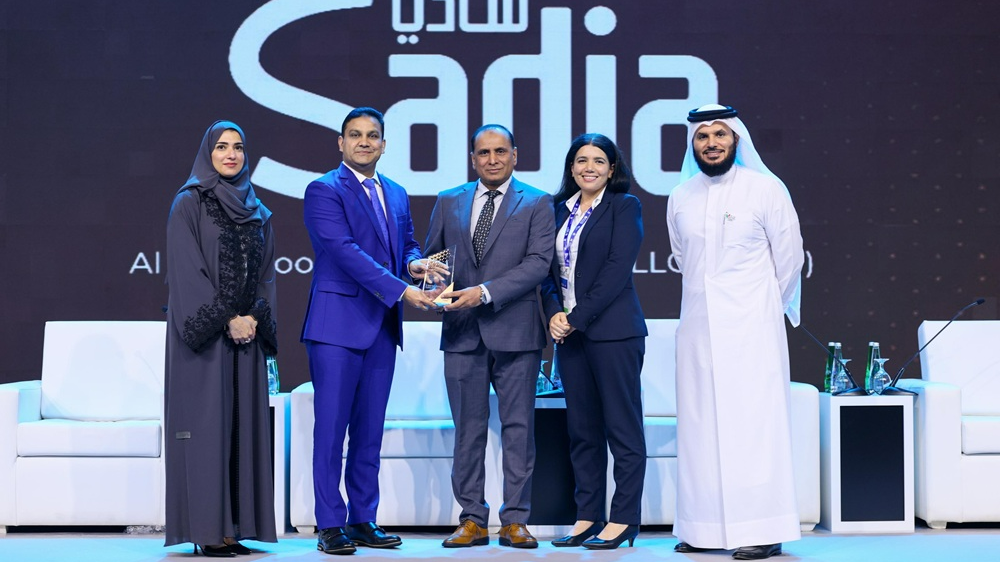
The event will also recognise individuals and teams that have demonstrated excellence and delivered an impact within their organisations and the wider procurement profession.
Procurement moves closer to strategic decisions
Across the Middle East, procurement functions are increasingly becoming involved earlier in organisational and project decisions.
Early engagement can allow procurement teams to identify potential supply risks, assess market capacity and engage suppliers before major project parameters are established.
This approach can help organisations better understand supply markets while allowing procurement professionals to contribute to decisions beyond traditional purchasing and cost management.
Local supplier development gains importance
Investment in local supply chains and supplier development is also creating opportunities to strengthen regional capabilities.
Developing stronger local supplier ecosystems can support skills development, improve responsiveness and help organisations diversify their sources of supply.
At the same time, procurement teams need to maintain robust governance, supplier assessment and risk-management processes as organisations expand their supplier networks.
Technology reshapes procurement functions
Technology is adding another dimension to the changing procurement landscape.
Improved data, digital procurement platforms and artificial intelligence are giving procurement teams new tools to analyse spending, assess supplier performance and identify potential vulnerabilities.
However, the increased use of technology also requires professionals who can combine digital capabilities with commercial judgement and a detailed understanding of supply markets.
CIPS highlights changing demands on profession
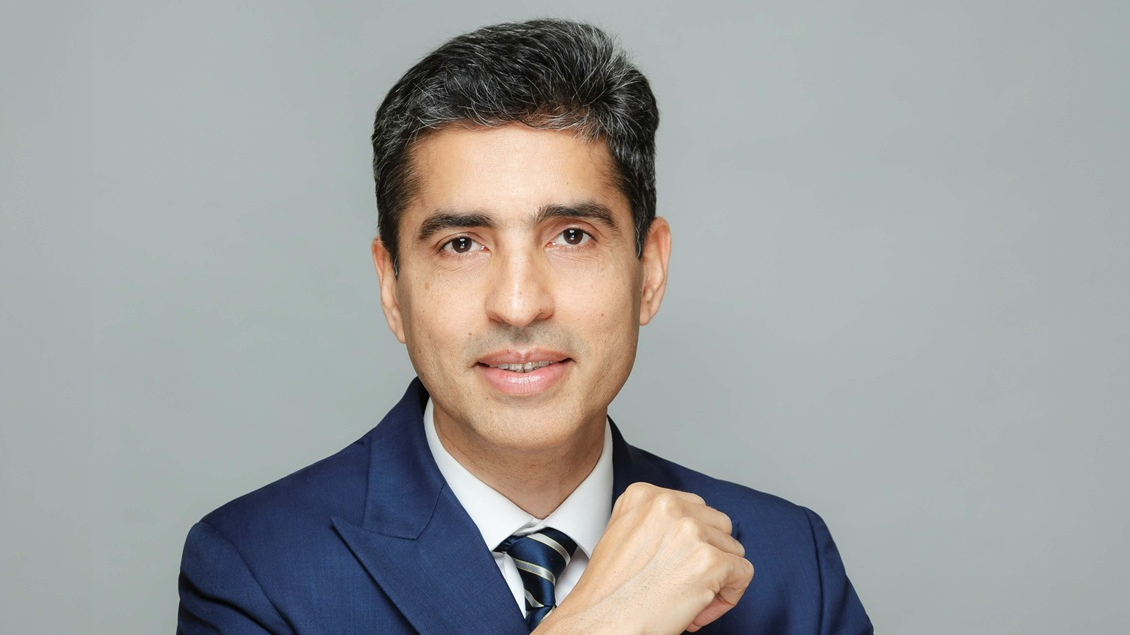
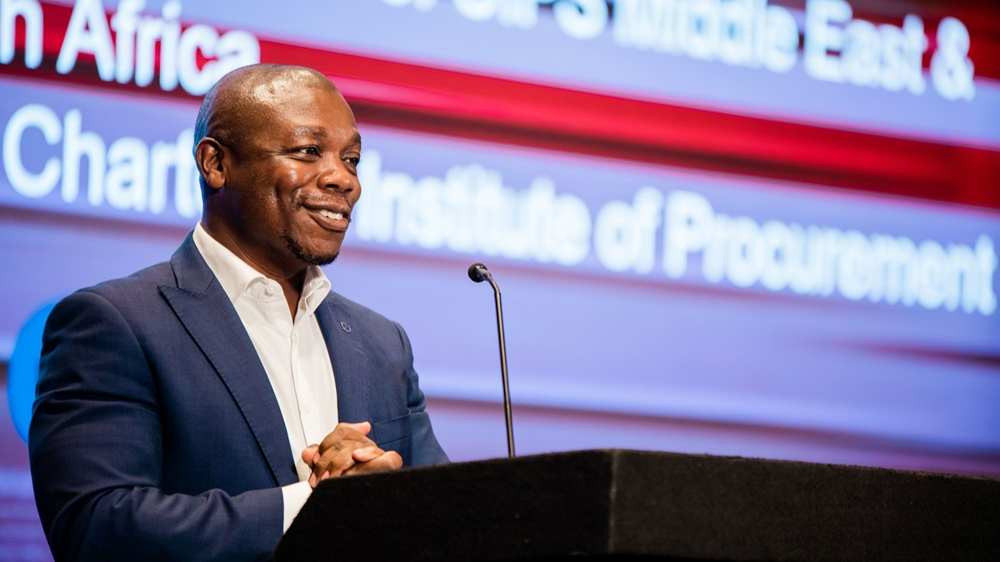
Sam Achampong, Regional Director, Middle East, Africa and Asia Pacific at CIPS, said procurement would have an increasingly important role in translating the region's growth ambitions into delivery.
“The scale of ambition across the Middle East is extraordinary but ambition ultimately has to translate into delivery. Procurement has an increasingly important role to play in making that happen,” Achampong said.
He said procurement was increasingly moving beyond simply securing purchases or achieving the lowest possible price, with leading teams contributing to strategic decisions, identifying vulnerabilities and developing long-term organisational capabilities.
“That requires a different kind of procurement profession; one that is commercially confident, able to challenge established thinking and increasingly involved in decisions before they become fixed,” he added.
CIPS MENA Awards to recognise industry achievements
The CIPS MENA Conference & Awards will take place on October 28–29, 2026, in Riyadh, Saudi Arabia.
The awards will recognise achievements across the region's procurement and supply chain profession, with 20 team categories and six individual categories.
Achampong said the profession had an opportunity to help organisations move from reacting to disruption towards anticipating supply risks, while shifting the focus from short-term price considerations towards longer-term value and stronger supply ecosystems.
As the Middle East continues to invest in infrastructure, diversify its economies and develop local capabilities, procurement is expected to play a growing role in supporting the region's long-term development ambitions.